
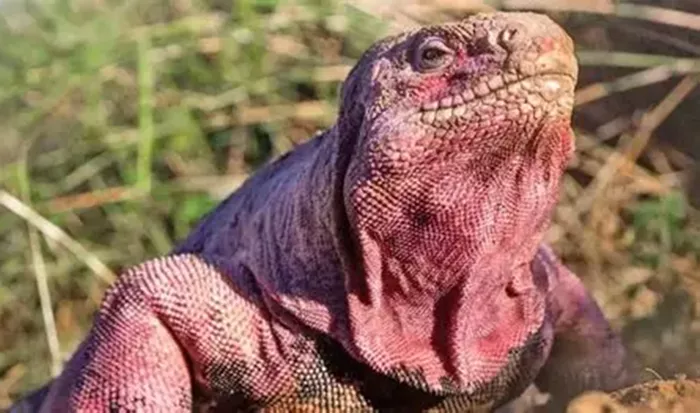
Have you ever stumbled upon a picture or a video of a bright pink iguana and wondered, “Are pink iguanas actually real?” or “Is it just a Photoshop trick?” This question might surprise you — after all, most people think of iguanas as green or sometimes grayish creatures, blending in with leaves or rocks. So, could such a vividly colored reptile really exist in nature? Well, the answer is both fascinating and true. Yes, pink iguanas are indeed real, and they are a rare and incredible species found only in one part of the world.
In this article, we’ll explore everything you need to know about pink iguanas. We’ll dive into their discovery, appearance, habitat, behavior, and what makes them so unique in the reptile world. Plus, I’ll share some fun facts and explain complex terms in a simple way so you can easily understand and appreciate these rare lizards. Ready to discover the truth? Let’s jump right in!
What Are Pink Iguanas?
At first glance, you might imagine a typical green iguana painted pink with bright colors. But pink iguanas are not just ordinary iguanas with a splash of unusual paint. They belong to a distinct species scientifically named Conolophus marthae, commonly called the Galápagos pink land iguana. Unlike their green relatives, these iguanas naturally display a pinkish body color, which makes them stand out.
How Did Scientists Discover Pink Iguanas?
The pink iguana was only discovered by scientists in 1986 on Wolf Volcano, located on Isabela Island in the Galápagos Islands — a remote and ecologically unique place famous for its wildlife and its influence on Charles Darwin’s theory of evolution. For a long time, these iguanas were confused with young or sick green iguanas because of their unusual color. But genetic studies later proved that they are a separate species, not just a color variant.
The discovery was exciting and surprising because finding a new large reptile species in such a well-studied region is extremely rare. Imagine finding a hidden gem in your backyard — that’s how amazing this discovery was!
Why Are Pink Iguanas Pink? The Science Behind Their Color
You might wonder, why are pink iguanas pink? Is it because of their diet, environment, or something else? Well, it’s mostly due to their genetics — their body produces less of the green pigment called melanin and more of other pigments that give them their distinctive pink and reddish hues.
Their skin color also has black and white markings, adding to their unique appearance. Think of it like a colorful painting where the artist used softer tones of pink mixed with splashes of black and white. This coloring is quite unusual in reptiles, which usually rely on camouflage colors like greens and browns to hide from predators.
Habitat: Where Do Pink Iguanas Live?
Pink iguanas live only on the slopes of Wolf Volcano on Isabela Island. This habitat is rugged and volcanic, with sharp lava rocks, sparse vegetation, and fluctuating temperatures. Unlike green iguanas that can be found near water sources, pink iguanas live in a dry, rocky environment.
This isolated habitat has helped preserve their uniqueness. Because they live in such a small and specific area, their population size is limited — making them one of the rarest iguanas in the world.
Behavior and Diet: What Do Pink Iguanas Eat?
Pink iguanas are mainly herbivores, meaning they eat plants. Their diet consists mostly of leaves, flowers, and fruits that grow on the volcanic slopes. They are well adapted to digest tough plant material.
Interestingly, these iguanas are quite shy and slow-moving. When you visit their habitat (which requires special permission and care to avoid disturbing them), you might notice them basking in the sun on the lava rocks. Just like many reptiles, they rely on sunlight to regulate their body temperature.
Speaking of sunlight, here’s a quick tip: If you ever keep reptiles at home, UVB lamps are like “artificial sunlight” for them. They help reptiles make vitamin D3, which is essential for calcium absorption — just like how sunbathing helps iguanas stay healthy in the wild.
How Big Do Pink Iguanas Get?
Pink iguanas can grow quite large — up to about 1.5 meters (or nearly 5 feet) in length from head to tail! This makes them one of the larger land iguana species. Despite their size, they have a calm demeanor and are not aggressive toward humans.
Their large size helps them survive in their harsh environment by allowing them to store more energy and defend themselves from predators like hawks and introduced animals.
Threats to Pink Iguanas: Why Are They Endangered?
Unfortunately, pink iguanas are critically endangered. Being restricted to such a small habitat makes them vulnerable to several threats, including:
Introduced predators like rats and feral cats, which prey on young iguanas and eggs.
Habitat destruction caused by volcanic eruptions or human activities.
Climate change, which may affect their food supply and habitat conditions.
Conservationists are working hard to protect these iguanas by controlling predators, monitoring populations, and educating the public. Their efforts are crucial because losing such a unique species would be like losing a piece of natural art.
Pink Iguanas vs. Green Iguanas: What’s the Difference?
You might be more familiar with green iguanas, which are popular as pets and found in many parts of Central and South America. While green iguanas are larger and have vivid green coloring to blend with trees and leaves, pink iguanas have that stunning pink and black look and live only in the Galápagos.
Besides color and habitat, they differ in genetics and behavior. Pink iguanas tend to live in more rugged terrain and are less social than green iguanas. If you ever thought all iguanas looked alike, the pink iguana will definitely surprise you!
Can You Keep a Pink Iguana as a Pet?
Because of their rarity and protected status, pink iguanas cannot be kept as pets. They are wild animals, and their survival depends on remaining free in their natural habitat. Additionally, their specific diet and environmental needs make it challenging to care for them outside the Galápagos.
If you love iguanas and want one as a pet, green iguanas are more commonly available. But remember, they require specialized care, including proper UVB lighting, temperature control, and a well-balanced diet to avoid diseases like metabolic bone disease — which happens when reptiles don’t get enough calcium.
Amazing Facts About Pink Iguanas
Before wrapping up, here are some cool facts to impress your friends:
−Pink iguanas can live up to 60 years in the wild if they avoid predators and habitat issues.
−They use their strong limbs and claws to dig burrows for shelter and protection.
−During mating season, males become more territorial and may show brighter colors to attract females.
−Their population is estimated at fewer than 200 individuals, which is why conservation is so important.
Conclusion
So, are pink iguanas real? Absolutely! They are one of the most fascinating reptile species on Earth, with their bright pink color, unique habitat, and intriguing biology. Discovering them reminds us how much nature can still surprise us, even in places we think we know well.
If you ever get the chance to visit the Galápagos Islands, keep an eye out for these rare pink jewels of the volcanic slopes. And next time someone doubts their existence, you’ll have the facts to amaze them!
Related topics: