
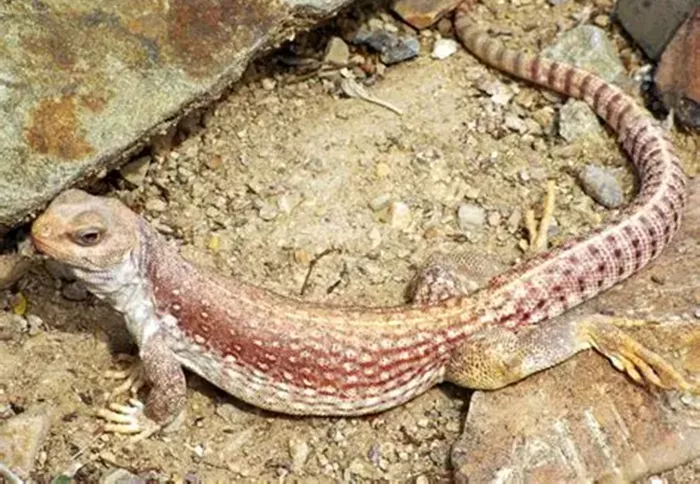
If you’re thinking of bringing a reptile into your home, you might be wondering whether certain species are friendly or even social. Desert iguanas, Dipsosaurus dorsalis, are one such species that often piques curiosity. Native to the deserts of North America, these lizards are unique in many ways, but how friendly are they really? Are desert iguanas suited for interactions with humans, or are they more of a “look but don’t touch” kind of pet?
Let’s find out. In this article, we will explore the temperament of desert iguanas, what it means for them to be “friendly,” and what you need to know about their care and behavior before deciding if they are the right pet for you. Whether you’re a reptile enthusiast or a first-time lizard owner, this guide will help you understand the ins and outs of desert iguana behavior.
What Makes a Pet Reptile “Friendly”?
Before we dive into the specifics of desert iguana behavior, it’s important to define what we mean by “friendly.” In the reptile world, “friendly” doesn’t mean the same thing it does for mammals. Reptiles, including iguanas, don’t have the same social structures as dogs or cats. So, when people ask if desert iguanas are friendly, they often mean:
- Do they tolerate human interaction?
- Are they easy to handle?
- Do they become accustomed to their owners over time?
To understand this fully, we need to examine the nature of desert iguanas and their instincts, which are very different from the domesticated animals we are used to.
Desert Iguanas: Natural Behavior in the Wild
Let’s start by exploring the natural behavior of desert iguanas in the wild. The desert iguana is primarily found in the arid regions of the Sonoran and Mojave deserts in North America. These environments are not exactly known for being bustling hubs of social interaction.
In the wild, desert iguanas are solitary animals, meaning they spend much of their time alone, except during the mating season or when they encounter a food source. They are territorial and might not appreciate the presence of other males during certain times of the year, particularly when defending their preferred patches of creosote bushes or other vegetation.
While these iguanas are not aggressive by nature, they tend to be shy and cautious around potential threats. This includes humans. Think of it like a cat that watches you from a distance before deciding whether to approach. Desert iguanas, too, can be wary, but that doesn’t mean they won’t eventually warm up to you—given time and the right approach.
Are Desert Iguanas Friendly Towards Humans?
So, now that we know how desert iguanas behave in the wild, let’s turn our focus to their interactions with humans. Are they likely to bond with their owners? Here’s what you need to know:
1. Temperament and Trust
Desert iguanas can be non-aggressive, especially when raised in captivity. They are generally peaceful creatures that tend to shy away from confrontation. However, they are not inherently affectionate in the way dogs or even some other reptiles (like leopard geckos) can be. Unlike mammals, reptiles don’t form attachments based on emotional bonds. Instead, they become accustomed to their environment and their handlers over time.
When you first bring a desert iguana home, it’s important to give it space and allow it to acclimatize to its new surroundings. Rapid movements, loud noises, or rough handling can stress the iguana out and hinder the process of building trust. Just like you wouldn’t want someone you don’t know to approach you too quickly, your iguana needs time to feel comfortable.
2. Handling and Interactions
While not as cuddly as some pets, desert iguanas can tolerate handling once they are familiar with their owner. However, this requires patience. Unlike dogs that will immediately greet you with excitement, desert iguanas are more like introverts—they need time to warm up.
Start by spending time near your iguana’s enclosure, allowing it to see and hear you without being directly interacted with. Gradually, as the iguana gets used to your presence, you can begin to gently handle it. Always support its body properly and avoid grabbing it by the tail or disturbing it during its rest periods. With consistent, gentle handling, many desert iguanas will learn to tolerate their owners and may even become more comfortable being touched or held.
However, remember that each iguana is an individual, and their tolerance for human interaction may vary. Some may be more passive, while others might be more skittish. This is why every iguana-owner relationship is unique, and patience is key.
The Importance of Environment and Care
How you care for your desert iguana will also affect its temperament. Providing a comfortable, naturalistic environment is essential for fostering a calm and friendly iguana. Here’s what you can do:
1. Create a Safe, Stress-Free Habitat
Desert iguanas come from environments where they have plenty of space to roam, so their enclosure should reflect this. Ensure that the tank is large enough (preferably 40-50 gallons) and includes substrates like sand or soil, along with some climbing opportunities. They also need a heat gradient, with temperatures ranging from 80°F to 105°F to help regulate their body temperature.
Providing places for your iguana to hide, like rocks or small caves, is also essential. Iguanas feel safer when they have a place to retreat, especially if they are feeling stressed or threatened.
2. Offer Proper Nutrition
Diet is also critical in determining an iguana’s well-being. These creatures are herbivores, meaning they thrive on a diet of fresh greens, flowers, and certain fruits. Providing them with a variety of these foods will help them stay healthy and active, which in turn can positively influence their mood and behavior.
Can You Build a Bond With Your Desert Iguana?
While desert iguanas are not as affectionate as dogs or cats, they are capable of forming a familiarity with their owners. Over time, if handled properly, your iguana may even begin to recognize you as a trusted figure. However, it’s important to adjust your expectations.
Remember: desert iguanas are not “cuddly” pets, and they may not actively seek out attention. But with patience and the right approach, they can be gentle, calm companions. It’s important to interact with them on their terms and to respect their need for independence. For many iguana owners, this is part of the charm—they’re low-maintenance, interesting to observe, and still capable of forming a relationship with their handler.
Fun Facts About Desert Iguanas and Human Interaction
Mating Rituals: Desert iguanas engage in “push-up” contests to impress females, so don’t be surprised if your iguana starts showing off with some exercise routines. It’s nature’s way of saying “Hey, look at me!”
Calm in the Heat: Unlike most reptiles, desert iguanas are most active during the hottest parts of the day. They might not be running to greet you like a dog, but they sure know how to make their presence known!
Cool Tail Defense: If threatened, desert iguanas can drop their tails to escape predators. It’s one of nature’s coolest self-defense mechanisms!
Conclusion
So, are desert iguanas friendly? The answer is: Yes and no. These lizards may not come running to you for pets, but they can become tolerant and calm over time, especially with proper handling and care. With patience and the right approach, they can form a bond with their owners—just don’t expect them to be lap lizards! Instead, think of them as fascinating, independent companions that are a joy to observe.
If you’re looking for a reptile that doesn’t mind human interaction but also enjoys its own space, a desert iguana might just be the perfect pet for you.
Related topics: