
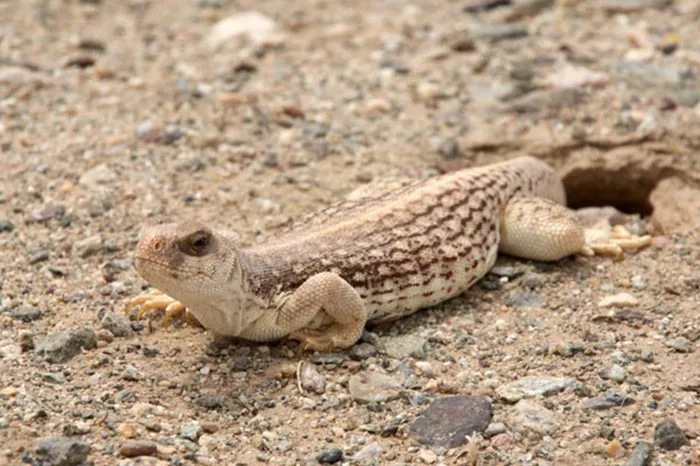
If you’ve ever been curious about how desert iguanas spend their time during the colder months, you’re in the right place. The desert iguana, scientifically known as Dipsosaurus dorsalis, is an iconic reptile of North America’s arid landscapes. But, do they hibernate? It’s a question that many reptile enthusiasts and desert wildlife lovers ask.
In this article, we’ll dive deep into the world of desert iguanas and their fascinating winter behavior. We’ll explore what “hibernation” really means for reptiles like the desert iguana, how they adapt to the harsh desert environment, and what you, as an iguana owner or enthusiast, need to know about their winter habits. So, let’s kick off this exploration and answer the burning question: Do desert iguanas hibernate?
What is Hibernation? Let’s Break It Down
Before we dive into the specifics of desert iguanas, let’s first talk about what “hibernation” is. Hibernation isn’t just a long nap for animals; it’s a period of extended dormancy where the animal’s metabolism slows down dramatically. You can think of it like the animal is hitting a “pause” button on its bodily functions. Many animals hibernate during the cold months when food is scarce, and temperatures drop to unsafe levels.
Now, what makes reptiles different is that they are cold-blooded, which means their body temperature depends on the temperature around them. This is why reptiles can’t survive in cold environments without special adaptations. When temperatures dip, reptiles often go into a state of dormancy, but this is not always “hibernation” in the traditional sense.
Do Desert Iguanas Hibernate?
Here’s the big reveal: No, desert iguanas don’t truly hibernate like some other reptiles, such as certain types of snakes or frogs. Instead, they enter a state of dormancy, which is a bit different. It’s more like them taking a “break” from the heat.
Desert iguanas are native to the hot deserts of North America, including the Sonoran Desert and the Mojave Desert. They thrive in temperatures between 85°F and 105°F (29°C to 41°C). When the temperature drops below these levels, desert iguanas enter a state of reduced activity to conserve energy. This period can last from a few days to several weeks, typically during the cooler months (usually winter).
Think of it like a vacation for your iguana. While they aren’t entirely inactive, they reduce their movement and don’t eat as much. They conserve energy and wait for the sun to return, much like how you might bundle up inside with a good book when it’s cold outside.
How Do Desert Iguanas Survive Winter?
Unlike mammals that go into full hibernation, desert iguanas have a more flexible response to winter. While some animals may spend the entire winter dormant, desert iguanas will adjust based on environmental conditions. Here’s how they make it through the cooler months:
1. Adjusting to Temperature Changes
Desert iguanas are incredibly adaptable when it comes to temperature. They can tolerate a drop in temperatures but can’t survive in freezing conditions. When it gets cold, they become less active. Their body temperature lowers, which in turn lowers their metabolism. This means they don’t need to eat as much, and they conserve the energy stored in their body.
2. Seeking Shelter
Just like how you would seek shelter during a rainstorm, desert iguanas also look for protection when temperatures drop. They tend to seek out burrows or sheltered areas where they can stay warm. These burrows are usually found beneath creosote bushes or in the burrows of other animals, such as foxes and desert tortoises. During this time, they won’t be out basking in the sun or foraging for food. Instead, they remain hidden, avoiding the worst of the cold.
3. Inactivity and Energy Conservation
During colder months, when temperatures are below their preferred range, desert iguanas enter a period of dormancy. However, this is different from hibernation because they don’t completely shut down. They might still be awake, but they are not very active. They conserve energy by staying still and not engaging in activities like eating or hunting for food. It’s similar to how you might conserve your energy during a lazy Sunday afternoon.
What Happens During the Dormancy Period?
During their dormancy period, desert iguanas might reduce their activity significantly. While they won’t be hibernating in the strict sense, they do rest a lot, which helps them conserve their energy. Here are some key behaviors:
Temperature Sensitivity
In the wild, desert iguanas rely on the sun for warmth. However, when winter sets in, the sun is less intense, and daytime temperatures are cooler. This forces the iguana to be more selective about when and where it moves. In the coldest weather, they might even remain in their shelters for days at a time. The key here is that desert iguanas are temperature-driven creatures. If it’s warm enough, they’ll come out of their shelters and resume their activity.
Reduced Feeding
During this time, their feeding habits also slow down. Desert iguanas are primarily herbivores, so they feast on flowers, leaves, and other plants. But when it’s cold, their food sources become less abundant, and they can survive for a while without eating. This period of reduced feeding mirrors how some animals survive through the winter months with less food.
Social Behavior
Unlike some reptiles that may hibernate together for warmth, desert iguanas are more solitary. They will usually spend their winter downtime alone, in their respective shelters. The lack of activity makes the desert iguana’s behavior seem relatively quiet, but don’t be fooled—it’s just their way of surviving the cooler months.
Do Desert Iguanas Need Special Care During Winter?
If you’re lucky enough to keep a desert iguana as a pet, you might be wondering how to care for it during winter. While they don’t hibernate, desert iguanas still need to be kept in the right conditions to stay healthy.
1. Temperature Control
Make sure your desert iguana has access to a basking spot that stays between 90°F to 100°F (32°C to 38°C). At night, the temperature can drop, but it should never fall below 60°F (15°C). This is important because a cold iguana won’t be able to digest food properly and could become stressed or sick.
2. Light and UVB
Even in winter, iguanas need UVB light to help them metabolize calcium. A good quality UVB lamp is essential for your iguana’s health, and it should be on for about 12-14 hours each day to mimic the natural day-night cycle.
3. Hydration
In the wild, iguanas might not drink water as frequently during the winter months, but in captivity, you should make sure they have constant access to fresh water. This helps keep them hydrated and supports their overall health.
Fun Fact: Desert Iguanas and Their Amazing Adaptations
Here’s an amazing fact about desert iguanas—these little reptiles are some of the most heat-resistant creatures on Earth! While many animals would seek shelter when the desert sun is at its peak, desert iguanas embrace the heat. They’re known to be active during the hottest part of the day, taking full advantage of the sun to regulate their body temperature. This ability to thrive in extreme conditions is one of the reasons they’re so well-suited to desert life.
Conclusion
Desert iguanas don’t truly hibernate like some reptiles, but they do go through a period of dormancy where they slow down and reduce their activity. By seeking shelter, adjusting to temperature changes, and conserving energy, these fascinating creatures manage to survive the colder months. Whether in the wild or in your care, understanding the desert iguana’s winter behavior is crucial for providing the best environment for them.
Related topics: