
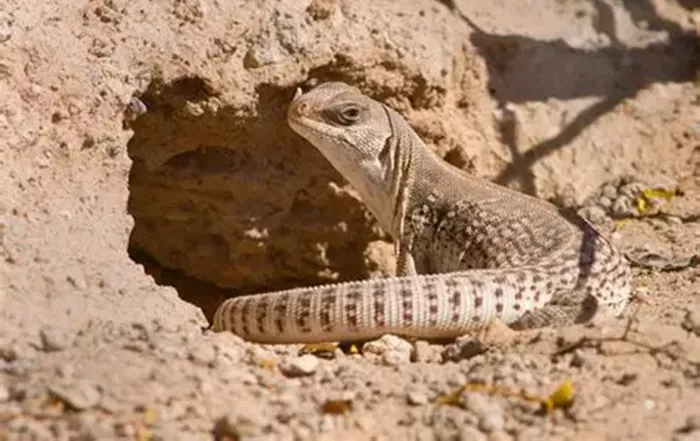
Are you considering adding a desert iguana to your collection? If you’ve been searching for a desert iguana for sale, you’ve probably noticed that captive-bred ones are often the best option for both you and the reptile. Why? Well, there’s a lot to consider when bringing a new pet into your home, especially when it’s a reptile that hails from one of the most extreme environments on Earth. But don’t worry — this guide will walk you through everything you need to know about captive-bred desert iguanas, from understanding their needs to choosing the right one for your home.
What Makes Captive Bred Desert Iguanas the Best Choice?
You’ve likely heard of wild-caught reptiles and the challenges they come with. Wild-caught desert iguanas are taken directly from their natural habitat, which can often lead to stressful, unhealthy conditions for both the reptile and its new owner. Wild-caught animals might be more prone to stress, disease, and even death because they’ve had to adapt to the sudden changes in captivity.
In contrast, captive-bred desert iguanas are raised in controlled environments. They are bred specifically for life in captivity, which means they are usually healthier, more accustomed to human interaction, and better suited for home care. These iguanas are typically more robust, have better immune systems, and adapt more easily to their new homes.
Why You Should Choose Captive Bred Over Wild-Caught Iguanas
So, why should you go for a captive-bred desert iguana instead of a wild-caught one? Let’s break it down:
Healthier Iguanas: Captive-bred iguanas are generally healthier than wild-caught ones. They are less likely to carry parasites or diseases that can be transmitted to you or other pets in your home. Wild-caught iguanas are often stressed from their capture and transport, which weakens their immune systems and makes them more vulnerable to health problems.
Easier to Care For: Because they’ve been raised in captivity, these iguanas are more accustomed to human handling and their environment. This makes them easier to tame and care for compared to wild-caught reptiles, which can be more skittish and harder to manage.
Better for Conservation: By choosing captive-bred desert iguanas, you help reduce the demand for wild-caught animals, which can contribute to over-exploitation and disrupt natural populations. Many species of reptiles, including the desert iguana, face habitat destruction and population decline due to human activities, so opting for a captive-bred animal helps protect wild ecosystems.
What to Look for When Buying a Captive Bred Desert Iguana
Now that you’re convinced that a captive-bred desert iguana is the way to go, it’s time to figure out how to select the right one. Here are some key factors to consider when buying a desert iguana:
1. Check the Breeder’s Reputation
You want to make sure that you’re buying from a responsible breeder who takes good care of their animals. A reputable breeder will provide you with detailed information about the iguana’s age, diet, and health history. They should also be transparent about the iguana’s genetics and whether they’ve been bred from healthy stock.
2. Look for Signs of Health
Before purchasing, always inspect the iguana for signs of good health. Healthy desert iguanas have clear, bright eyes and smooth, unbroken skin. Their body should be firm, and their movements should be active and alert. Avoid iguanas that look lethargic, have swollen joints, or show signs of injury or illness.
3. Age and Size
Most captive-bred desert iguanas sold in pet stores or online are juveniles or young adults, which are easier to care for and tame. The age and size of the iguana should be suitable for your experience level. While adult desert iguanas can live for years, young ones are often more adaptable and easier to train.
4. Verify Legal and Ethical Breeding Practices
Ensure that the breeder follows ethical and legal breeding practices. In some areas, there are regulations regarding the breeding and sale of exotic reptiles. It’s important to choose a breeder who adheres to these regulations to ensure that your new pet is ethically sourced.
5. Pricing
Prices for captive-bred desert iguanas can vary, but you can expect to pay more for these than for wild-caught individuals. The price can depend on factors such as age, size, color, and the breeder’s reputation. On average, expect to pay between $100 and $300 for a healthy, well-bred desert iguana. While the initial cost might seem higher, remember that you’re investing in a pet that will be easier to care for and healthier in the long run.
Creating the Perfect Home for Your Captive Bred Desert Iguana
Buying a desert iguana is just the first step. Creating a suitable environment for your new pet is crucial to its well-being. Here’s what you’ll need:
1. The Right Enclosure
Desert iguanas are active creatures that need plenty of space to roam. A large terrarium or enclosure (at least 4 feet long) is necessary for your iguana to feel comfortable. The enclosure should be well-ventilated and have a secure lid to prevent escapes.
2. Temperature Control
As desert reptiles, iguanas require warm temperatures to stay healthy. The daytime temperature should be between 95°F (35°C) and 105°F (40°C), while the nighttime temperature should drop to around 70°F (21°C). A heat lamp or basking spot is essential to replicate their natural environment.
3. Lighting
Proper lighting is critical for a desert iguana’s health. You’ll need to provide UVB lighting to help them synthesize vitamin D3, which is essential for calcium absorption. A good UVB bulb should be used for 10-12 hours a day to mimic natural sunlight.
4. Substrate and Hiding Spots
The substrate should resemble the sandy desert floor to make the iguana feel at home. Use sand, a sand mix, or reptile carpet, but avoid using pine or cedar shavings as they can be harmful to reptiles. Desert iguanas also need places to hide, so make sure to provide rocks or logs where they can retreat for privacy.
5. Diet and Hydration
Even though they are herbivores, desert iguanas will also occasionally munch on insects or scavenged items. Provide a diet of leafy greens, flowers, and vegetables. It’s also important to keep fresh water available at all times.
Health and Behavior of Captive Bred Desert Iguanas
Captive-bred desert iguanas are generally hardy animals, but they still require regular care and attention. Here’s what you should know:
Health Monitoring
Make sure to monitor your iguana’s behavior regularly. If it seems lethargic, stops eating, or shows signs of skin shedding problems, these could be signs of health issues. Regular vet check-ups are important, especially for young iguanas, to ensure they are growing properly.
Handling and Socialization
Captive-bred desert iguanas are usually more tolerant of human handling than wild-caught ones. Still, they may require some time to adjust to their new owners. Start with short, gentle interactions and gradually increase the duration as the iguana becomes more comfortable with you.
Why Captive Bred Desert Iguanas Are a Great Choice for Reptile Enthusiasts
Captive-bred desert iguanas offer many benefits over their wild-caught counterparts. They are healthier, more adaptable, and better suited for life in captivity. If you’re new to owning reptiles, these iguanas are an excellent choice, as they are relatively easy to care for with the right environment. Plus, they are a wonderful addition to any reptile enthusiast’s collection.
Related topics: