
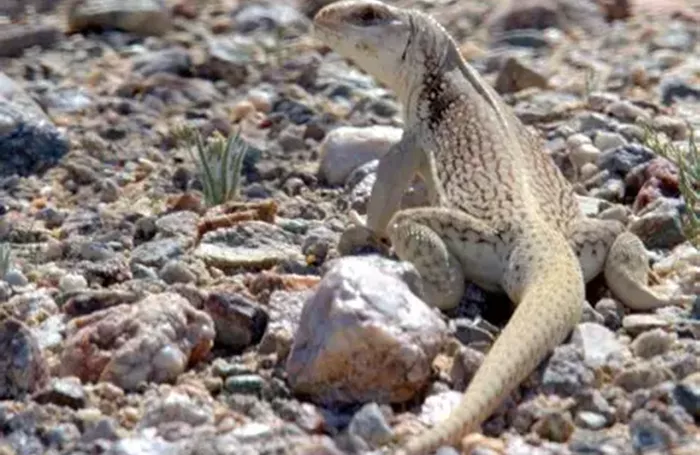
Imagine you’re trekking through a hot desert under the blazing sun. You notice a small creature darting among the bushes—a desert iguana. You might wonder, how often does this tough little reptile eat to survive such a harsh environment? Understanding the eating habits of desert iguanas (Dipsosaurus dorsalis) reveals fascinating insights about their survival strategies, energy needs, and adaptation to extreme heat. Let’s dive into the awesome world of desert reptiles and explore exactly how frequently these iguanas feed and why.
What Are Desert Iguanas? A Quick Look
Before answering how often desert iguanas eat, it’s important to know who they are. Desert iguanas are medium-sized reptiles native to the southwestern United States and northwestern Mexico. They live in hot, dry deserts like the Sonoran and Mojave, where temperatures can soar above 40°C (104°F).
These iguanas are mostly herbivores—they munch on leaves, flowers, and fruits from desert plants like creosote bush and alfalfa. Occasionally, they snack on insects too, making them omnivores to some extent.
Think of desert iguanas like your eco-friendly neighborhood gardeners, munching on plants and helping balance their desert ecosystem.
How Often Do Desert Iguanas Eat? The Basics
Unlike us humans who might eat three meals a day, desert iguanas don’t have a fixed mealtime. Their eating frequency depends heavily on factors like temperature, availability of food, and their activity level.
During the hot desert days, desert iguanas are most active and do most of their feeding then. When it’s cooler or colder, their metabolism slows, and so does their appetite.
Generally, desert iguanas eat several times a day during warm periods, especially when flowers and leaves are abundant. But on chilly or extremely hot days, they may eat very little or skip feeding altogether.
Why Temperature Controls Their Appetite
You might be surprised, but temperature plays a huge role in how often desert iguanas eat. Unlike warm-blooded animals (like us) that regulate internal body heat, desert iguanas are cold-blooded reptiles. This means their body temperature matches the environment.
Think of them as solar-powered devices—when the sun shines brightly, their energy fills up; when it’s dark or cold, they slow down to save power.
At temperatures below 40°C (104°F), desert iguanas start seeking shade or hiding in burrows. Their digestion becomes slower, so they eat less often to avoid taxing their system. Around the warmest parts of the day, when their body temperature is optimal, they become energetic and eat more frequently.
If you keep a desert iguana as a pet (which some reptile enthusiasts do), you’ll notice they’re more active and hungry when their enclosure’s temperature is just right—usually between 35-40°C during the day.
What Do Desert Iguanas Eat? Food Choices Affect How Often They Eat
Diet influences feeding frequency. Desert iguanas mainly graze on creosote bush buds, flowers, and leaves—a bit like a vegetarian buffet available in their habitat.
They especially love the bright yellow flowers of the creosote bush. When these blooms are abundant in spring and early summer, desert iguanas may feed several times a day to take advantage of this tasty and nutritious food.
Insects like ants and crickets are snacks they enjoy occasionally, particularly when plant food is scarce or when they need extra protein.
Their plant-based diet is high in fiber but low in calories, which means they often need to eat quite a bit to get enough energy. This explains why during good food seasons, they feed frequently.
How Does Feeding Frequency Change with Seasons?
Seasonal changes directly affect how often desert iguanas eat. In spring and early summer, plants flourish, flowers bloom, and temperatures rise — perfect conditions for desert iguanas to eat multiple times daily.
But in late summer and fall, when temperatures soar too high and plants dry out, desert iguanas reduce their feeding to conserve energy and water. They rely more on stored fat and eat less often.
Winter brings cooler temperatures, making iguanas less active and hungry. Some may almost stop eating, entering a low-energy state similar to hibernation but less extreme (called brumation in reptiles).
Desert Iguanas’ Unique Feeding Adaptations
Desert iguanas have evolved clever ways to manage their feeding in a challenging environment:
Water from Food: Eating juicy plants gives them much-needed hydration in a desert with scarce water.
Selective Eating: They prefer plants that are not only nutritious but also have compounds to help with digestion and toxin neutralization.
Burrow Retreat: After feeding, they often retreat to shady burrows to digest safely away from predators.
These adaptations help them balance the need for energy with the extreme conditions of their habitat.
Real-Life Stories from Reptile Keepers
If you ever chat with reptile owners who keep desert iguanas, you’ll hear some interesting feeding anecdotes. For example, one keeper shared:
“My desert iguana goes nuts for creosote bush flowers! When I offer fresh greens, he eats small amounts several times a day. But if the temperature dips, he barely touches his food.”
This real-world experience confirms how temperature and diet availability impact feeding frequency, giving us a deeper connection with these amazing reptiles.
Why Should You Care About Desert Iguanas’ Eating Frequency?
Understanding how often desert iguanas eat is not just interesting—it’s crucial for conservationists and pet owners. In the wild, knowledge of their feeding habits helps protect their habitats and manage food resources. For pet lovers, knowing when and how often to feed helps keep iguanas healthy and happy.
How Does Digestion Affect How Often Desert Iguanas Eat?
You might wonder, why can’t desert iguanas just eat whenever they want? The answer lies in their digestion process.
Desert iguanas have a digestive system specially adapted to break down tough desert plants, which are often fibrous and low in nutrients. This means it takes a long time for them to fully digest each meal — sometimes up to 24 to 48 hours.
Think of it like chewing a big, tough steak slowly; you can’t just keep eating without giving your mouth a break. Similarly, these iguanas need time for their gut bacteria to break down the plant fibers, so they don’t overeat or get sick.
Because digestion is slow, desert iguanas space out their meals rather than eating large quantities all at once. This spacing helps them get the most nutrients from each meal.
Energy Needs: Why Desert Iguanas Can’t Eat Too Often
You might be surprised that desert iguanas don’t constantly chow down, even though their food is low in calories. Their energy needs are balanced by the extreme desert environment.
During the day, when temperatures are ideal (around 35-40°C), their metabolism speeds up, requiring more energy and thus more frequent feeding.
But when it’s too hot or too cold, their metabolism slows. It’s like when you feel sluggish in extreme weather—you don’t want to do much, including eating.
This means desert iguanas instinctively regulate their feeding frequency to avoid wasting energy on digestion when the environment isn’t favorable.
Predators and Feeding Behavior: The Danger of Eating
Here’s a cool fact: desert iguanas don’t just eat whenever they want because eating can be risky.
When they’re feeding, their attention is on food, making them vulnerable to predators like hawks, snakes, foxes, and coyotes.
To stay safe, desert iguanas often eat in short bursts and stay close to protective bushes like creosote shrubs, which offer quick escape routes.
If a predator is spotted, they freeze or dash into burrows or dense shrubs immediately—even if they are in the middle of a meal!
This risk of predation forces desert iguanas to feed frequently but cautiously, balancing hunger with safety.
Comparing Desert Iguanas’ Eating Frequency to Other Reptiles
If you keep reptiles or watch wildlife, you might notice that different species eat at very different rates.
For example, green iguanas (common pet reptiles) tend to eat daily and sometimes multiple times a day in captivity. On the other hand, some desert-dwelling snakes might eat only once a week or less.
Desert iguanas fall somewhere in between. They eat multiple times during favorable conditions but can go without food for a few days when necessary.
This flexibility is a fantastic adaptation to their unpredictable desert world.
How Desert Iguanas’ Eating Frequency Changes in Captivity
Many reptile lovers keep desert iguanas as pets. You might ask, how often should you feed your desert iguana?
In captivity, desert iguanas usually eat every day or every other day depending on age, size, temperature, and diet quality.
Young iguanas growing fast need more frequent meals, while adults might be fine eating less often.
Offering fresh greens like collard greens, dandelion leaves, and creosote bush (if available) alongside occasional insects mimics their natural diet and encourages healthy eating.
Remember, temperature control in the enclosure is crucial. If the environment is too cold, your desert iguana will lose appetite and eat less often.
One keeper shared: “When I adjusted the basking spot temperature, my iguana went from ignoring food to eating multiple times daily—it was like magic!”
Seasonal Feeding Patterns in Detail
Let’s break down desert iguanas’ eating habits through the seasons:
Spring: Food is abundant. Iguanas eat several times daily to gain energy for breeding and growth. They feast on fresh flowers and leaves.
Summer: High temperatures limit feeding to early morning and late afternoon. They reduce intake during midday heat to avoid overheating.
Fall: Plants dry up. Feeding frequency drops as iguanas start conserving energy and water.
Winter: Activity and appetite decline sharply. Iguanas may eat very little, surviving mostly on stored fat.
Knowing these patterns helps researchers monitor wild populations and helps keepers adjust feeding schedules in captivity.
The Role of Water in Feeding Frequency
You might not realize, but water availability affects how often desert iguanas eat.
Since desert iguanas get much of their water from juicy plants like creosote bush, when these plants dry out, iguanas eat less.
Less water means slower digestion and less frequent feeding.
In captivity, always provide fresh water and mist leafy greens to help maintain hydration and encourage regular eating.
Fun Fact: Desert Iguanas Are Heat Champions
One of the coolest things about desert iguanas is their ability to remain active and feed during the hottest parts of the day when most other reptiles hide.
Their tolerance for extreme heat means they can exploit food resources when competition is low.
This unique behavior also influences their feeding frequency—they eat when others can’t!
Conclusion
So, how often do desert iguanas eat? It varies based on temperature, food availability, season, and safety.
- Several times a day during optimal weather and plentiful food
- Less frequently or not at all during extreme heat, cold, or drought
- Feeding is cautious due to predators
- In captivity, daily or every other day feeding is typical
Understanding these habits is key to appreciating these amazing reptiles and ensuring their well-being in the wild and captivity.
Related topics: