
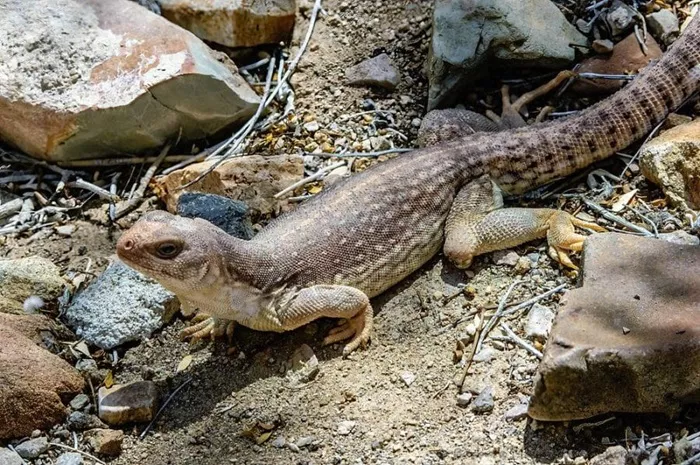
Iguanas are fascinating reptiles, known for their colorful scales, distinct crests, and unique behaviors. They’re typically associated with lush rainforests and tropical environments. But did you know there are iguanas that thrive in the harsh, arid conditions of the desert? If you’ve ever wondered what iguana lives in the desert, you’re in for a treat! In this article, we’ll explore the fascinating world of desert-dwelling iguanas, their adaptations, and the specific species that call these dry lands home.
The Amazing World of Desert Iguanas
When you think of deserts, images of dry, sandy expanses, cactus plants, and extreme temperatures likely come to mind. But did you also know that this extreme environment is home to some incredible creatures, including certain species of iguanas? These reptiles have evolved remarkable ways to survive and even thrive in such a seemingly inhospitable habitat.
Desert iguanas must deal with intense heat during the day, cold nights, and scarce water sources. You may wonder, “How do they do it?” Well, it’s all about their adaptations. In fact, the iguana that lives in the desert is a true marvel of nature, equipped with skills and strategies that help it survive under harsh conditions. So, let’s dive into the specifics.
What Makes Desert Iguanas Special?
1. Adaptation to Heat:
Desert iguanas, unlike their rainforest cousins, have unique ways of dealing with extreme heat. They are cold-blooded, which means their body temperature is regulated by their environment. To avoid overheating, desert iguanas are most active during the cooler parts of the day—either early morning or late afternoon.
2. Ability to Conserve Water:
Water is one of the most precious resources in the desert. So, how do desert iguanas manage? They’ve developed the ability to conserve water through efficient kidney function that minimizes water loss. They also rarely drink from open water sources. Instead, they extract moisture from the plants they eat, such as cacti and desert shrubs.
3. Camouflage and Defense:
With predators lurking around, desert iguanas need to stay hidden. These iguanas have evolved to blend in with the desert surroundings. Their color patterns help them camouflage with the rocky and sandy landscapes. When threatened, they can also make a quick escape by darting into burrows or rock crevices.
Which Iguanas Live in the Desert?
There are several iguana species that are well-suited to the desert life. The most famous desert iguana is the Desert Iguana (Dipsosaurus dorsalis), but it’s not the only one. Here, we’ll look at the most prominent species of iguanas that live in desert environments.
1. Desert Iguana (Dipsosaurus dorsalis)
The Desert Iguana is the quintessential desert-dwelling iguana. Found primarily in the southwestern United States and parts of Mexico, these iguanas thrive in arid desert environments, especially the Sonoran Desert. They are medium-sized lizards, typically reaching about 16 to 20 inches in length.
Key Features:
Color: Light brown or gray with white or yellowish markings.
Habitat: Typically found in sandy or rocky desert terrains, especially near shrubs and low vegetation.
Diet: These iguanas are herbivores, feeding on plants like cacti, flowers, and leaves, which provide them with much-needed moisture.
Behavior: Desert Iguanas are active during the day, basking in the sun to maintain their body temperature. They are also known to be territorial, often defending their space from other iguanas.
2. Chuckwalla (Sauromalus spp.)
While not a true iguana, the Chuckwalla is closely related to desert iguanas and shares many similarities. These large, stocky reptiles are commonly found in the Mojave Desert, the Sonoran Desert, and parts of Mexico.
Key Features:
Color: Ranges from gray to reddish-brown, often with a slightly lighter underbelly.
Habitat: Chuckwallas love rocky terrain, where they can hide in crevices to avoid predators and the heat.
Diet: They also eat plants, but their diet consists mainly of leaves, flowers, and fruit.
Behavior: Chuckwallas are famous for their defensive behavior. When threatened, they puff up their bodies to make themselves appear larger and harder to swallow.
3. Grand Canyon Chuckwalla (Sauromalus obesus)
This subspecies of the chuckwalla is found in the Grand Canyon and other parts of the southwestern United States. While they share the same characteristics as their chuckwalla cousins, they are more adapted to the steep, rocky cliffs of the Grand Canyon region.
Key Features:
Color: Usually a reddish-brown color, helping them blend in with the desert rocks.
Habitat: These chuckwallas are specifically adapted to rocky desert habitats with plenty of rock crevices.
Diet: They are herbivores and enjoy eating desert plants like cacti and shrubs.
Behavior: Like other chuckwallas, they are excellent climbers, using rocks and boulders for refuge.
4. Black Desert Iguana (Ctenosaura pectinata)
The Black Desert Iguana, native to parts of Mexico and the Sonoran Desert, is another fascinating species. These iguanas can often be found in desert scrublands, making use of the sparse vegetation for food and shelter.
Key Features:
Color: Typically dark or black, which helps with heat absorption during cooler nights.
Habitat: The Black Desert Iguana prefers rocky and arid desert landscapes, where it can easily hide in cracks and crevices.
Diet: It is a generalist herbivore, eating a variety of desert plants, including cacti and shrubs.
Behavior: Unlike other iguanas, the Black Desert Iguana is known to be more aggressive in nature, especially when it comes to defending its territory.
How Do Desert Iguanas Survive the Extreme Conditions?
Surviving in the desert is no small feat. The environment presents several challenges for desert-dwelling iguanas, including extreme temperatures, limited water, and a lack of food sources. Here’s how desert iguanas overcome these challenges:
1. Thermoregulation
Since desert iguanas are cold-blooded, they can’t regulate their body temperature internally. To deal with the desert heat, they use behavioral thermoregulation. They bask in the sun during the morning and late afternoon to raise their body temperature, but they also retreat to the shade or burrows during the hottest part of the day.
2. Burrowing
Most desert iguanas make use of burrows or rock crevices to escape the heat. Burrows help them stay cool during the day and warm at night. These underground refuges provide a crucial sanctuary for them in the face of desert extremes.
3. Water Conservation
Water conservation is crucial in the desert. Desert iguanas don’t drink water from standing sources. Instead, they get their hydration from the juicy plants they eat, such as cacti, which store water. They also have specialized kidneys that allow them to retain as much water as possible.
Threats to Desert Iguanas
While desert iguanas are well-equipped to survive in their environment, they face several threats:
Climate Change: Rising temperatures and changing weather patterns are affecting the delicate balance of desert ecosystems.
Habitat Destruction: Urbanization, off-roading, and development threaten the natural habitats of these iguanas.
Predators: Coyotes, birds of prey, and even humans can pose a threat to iguana populations.
Conclusion
Desert iguanas are truly remarkable creatures. Their ability to thrive in some of the world’s harshest environments is a testament to the incredible power of adaptation. From the Desert Iguana to the Chuckwalla, these reptiles have evolved to survive where most other creatures would struggle. So, the next time you think about desert life, remember these resilient reptiles and the ways they conquer the desert’s challenges.
Related topics: