
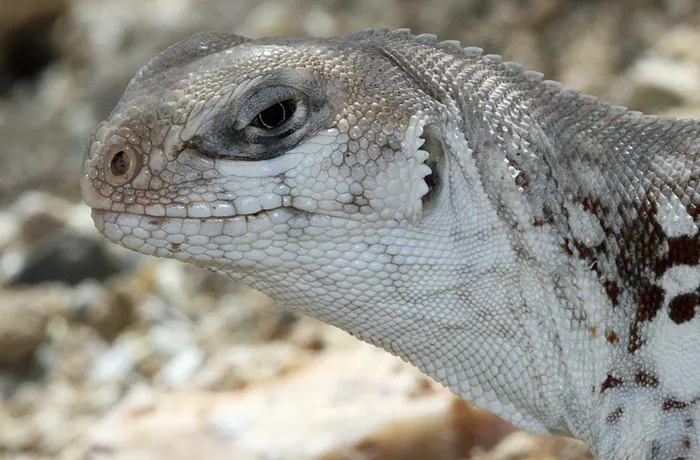
When you think of the desert, you probably picture endless sand dunes and scorching heat, but it’s not just the environment that makes survival a challenge for desert-dwelling creatures. The desert iguana (Dipsosaurus dorsalis), a remarkable reptile, faces constant threats from a variety of predators. But how does an animal that thrives in one of the most hostile environments on Earth manage to stay safe? Let’s dive into the fascinating world of desert iguana predators and understand how these creatures manage to navigate a landscape filled with danger.
You might be surprised to learn that the predators of desert iguanas aren’t just the obvious ones like hawks or snakes—there’s a whole cast of characters, from mammalian hunters to other reptiles, that are on the lookout for a tasty iguana snack. But don’t worry, we’ll walk you through these threats step by step.
1. Birds of Prey: The Sky’s Watchful Hunters
Desert iguanas are not just vulnerable to the creatures that slink through the underbrush; the skies above can also pose a major threat. Birds of prey, especially raptors like hawks and falcons, are notorious hunters of small reptiles, including the desert iguana.
How Raptors Hunt
Raptors have sharp talons and beaks designed for grabbing, killing, and tearing apart their prey. Imagine the sharp claws of a bird of prey like a hawk as a set of surgical scissors—precise and deadly. From above, they can spot the desert iguana moving in the open and swoop down in seconds, striking with incredible speed and accuracy.
Even though desert iguanas are quick, the bird’s keen eyesight and aerial advantage make it difficult to escape once the iguana is spotted.
Survival Tactics
The desert iguana doesn’t just lie there and wait to be captured. When they sense danger, they often seek refuge by darting into nearby bushes or burrowing into the sand. It’s a race against time, though, and not all iguanas make it to safety before the predator strikes.
2. Snakes: Silent Slayers of the Desert
When you think of a predator that’s truly well-suited to desert survival, snakes are a good place to start. Several species of desert-dwelling snakes hunt desert iguanas, including rattlesnakes and gopher snakes.
How Snakes Strike
Snakes use a combination of speed and stealth to catch their prey. Think of a snake like a silent assassin—slithering through the sand with no noise, its movements almost invisible. They rely on their tongue to “taste” the air, picking up on the scent of the iguana, which helps them track it.
Once the iguana is within reach, the snake strikes. If it’s a venomous species like a rattlesnake, the bite could be fatal, paralyzing the iguana long enough for the snake to swallow it whole.
What Makes Snakes So Dangerous?
Unlike some predators that rely on speed or physical strength, snakes excel in patience and precision. They can remain hidden for long periods, waiting for the perfect moment to strike, making them one of the deadliest predators to the desert iguana.
3. Mammalian Threats: Foxes, Coyotes, and Bobcats
While birds and snakes are the obvious threats to desert iguanas, don’t forget that the ground can also be a dangerous place. Foxes, coyotes, and bobcats are all predators that may target desert iguanas, especially when the reptiles are young and smaller.
How These Mammals Hunt
These mammals are excellent at stalking their prey, whether it’s during the day or at night. Foxes, with their keen sense of smell, are particularly good at sniffing out iguana burrows and digging them out. Coyotes, much like wolves, can work in packs to corner and overpower their prey, while bobcats use their stealth to silently stalk and pounce when the iguana isn’t looking.
The Challenge of Defense
Unlike raptors and snakes, these mammals often use their intelligence to hunt. They will observe the iguana’s habits, looking for an opportunity to strike when the iguana is least prepared. Desert iguanas can sometimes escape by diving into their burrows, but their predators know how to dig, making it a difficult battle for survival.
4. Other Reptiles: Competition and Predation
Believe it or not, desert iguanas aren’t always the top reptiles in the desert. Other larger reptiles, such as monitor lizards and even other species of iguanas, may sometimes target them, especially when food is scarce.
How Reptiles Compete
In a world where resources like food and shelter are hard to come by, desert iguanas must also watch out for their own kind. Larger reptiles, especially those that have more aggressive tendencies, may pose a threat when they’re looking for a meal. These predatory reptiles usually target smaller, weaker individuals.
Interestingly, some reptiles, such as the Gila monster, are opportunistic hunters. Though they don’t specifically target iguanas, if they encounter a weakened or injured iguana, they might take the opportunity to feed.
5. Environmental Factors: The Invisible Threats
Not all of the desert iguana’s dangers come from other animals. Environmental factors like extreme temperatures, drought, and habitat destruction can make survival even harder.
How the Desert Environment Affects Iguanas
The desert iguana has adapted to survive in harsh conditions, but extreme heat or lack of food can weaken them, making them more vulnerable to predators. You could compare it to a person who’s been running a marathon without water—eventually, they’ll slow down, and it becomes easier for predators to catch them.
Conclusion
The desert iguana’s life in the wild is a constant battle against a variety of predators. From hawks swooping down from the skies to snakes waiting silently in the sand, the desert iguana must be ever vigilant. Despite all these dangers, the iguana’s quick reflexes, burrowing abilities, and camouflage help it survive in one of the harshest environments on Earth.
Every day, the desert iguana faces the challenge of avoiding predators, finding food, and staying cool in the unforgiving desert heat. It’s a delicate balance, and one that requires a combination of natural instincts, survival strategies, and pure luck.
While predators may be a constant threat, the desert iguana has evolved to deal with them in remarkable ways—showing us the true power of adaptation in nature.
Related topics: