
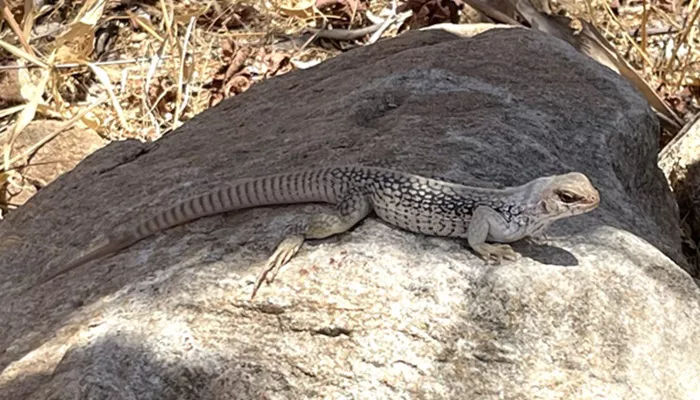
When you think of desert animals, a handful of creatures might come to mind: cacti, camels, and the elusive desert iguana. These hardy reptiles thrive in some of the most extreme environments on Earth, enduring scorching temperatures and limited water sources. But how do they manage to survive? What do desert iguanas eat? In this article, we’ll explore their diet, their feeding habits, and how their nutrition helps them thrive in the wild. You’ll also get insights into keeping a desert iguana as a pet, which is truly an experience for reptile enthusiasts!
Introduction: The Desert Iguana’s Hunger
If you’ve ever seen a desert iguana basking in the sun, you might have wondered, “What’s on the menu for this creature?” This question is important because the diet of a desert iguana plays a major role in its survival and overall health. Unlike some reptiles that are strict carnivores or herbivores, the desert iguana has a more varied diet that allows it to adapt to its harsh desert environment.
So, what’s it like for an iguana living in the desert, where water is scarce and the sun beats down relentlessly? Understanding what they eat can give you a deeper appreciation of these fascinating reptiles, and you’ll soon see just how well their diet is suited for life in the wild. Let’s dive in!
The Basics of the Desert Iguana’s Diet
Desert iguanas are omnivores, meaning they eat both plant material and insects. However, the exact balance of their diet can change depending on the season, availability of food, and their immediate environment. These creatures are opportunistic feeders, so they’ll consume whatever is available and nutritious.
What do desert iguanas eat in the wild?
Vegetation: A large part of the desert iguana’s diet consists of plants. They munch on various desert plants, including flowers, leaves, and fruits. Some of their favorites are the leaves of creosote bushes and the flowers of cacti. They also eat fruits like melons when available, which provide them with necessary water and sugars.
Think of it this way: If you were wandering in a hot desert, a refreshing watermelon would be a great source of both hydration and energy. For the iguana, cactus fruits work in the same way!
Insects: While the desert iguana enjoys its greens, it doesn’t shy away from a good bug meal. Insects make up the second major part of their diet. These could include beetles, grasshoppers, ants, and even small scorpions. They often forage for insects when plant food becomes scarce, especially in the dry months.
Other small animals: Although it’s not a primary part of their diet, desert iguanas may also consume smaller animals or carrion (dead animals) if the opportunity arises. This is more of a survival tactic when food resources are extremely limited.
Why Do Desert Iguanas Eat These Foods?
It’s not just about taste – these food choices are crucial for the iguana’s survival.
Water Needs: The desert iguana gets most of its hydration from the plants and fruits it consumes. The high water content in cactus fruits and certain plants is essential for the iguana to stay hydrated in a dry environment.
Nutritional Balance: A combination of plant matter and insects helps balance the iguana’s nutritional needs. Plants provide fiber, vitamins, and minerals, while insects are a good source of protein. This combination helps them maintain energy, support growth, and stay healthy.
Energy for Heat Regulation: Desert iguanas are cold-blooded, meaning they rely on external heat sources to regulate their body temperature. They need a high-energy diet to fuel their metabolic processes, especially during the extreme temperature changes between day and night in the desert.
How Do Desert Iguanas Forage for Food?
Desert iguanas are primarily diurnal (active during the day), which means they forage for food during the hottest part of the day when other creatures are hiding from the sun. The iguana’s keen eyesight allows it to spot plant life and insects from a distance, and its long tail helps it maintain balance when moving across rocky terrain.
Like most reptiles, desert iguanas are also opportunistic hunters. If they come across a tasty bug or a piece of fruit, they’ll take full advantage. You might think of them as casual foragers, but when it comes to survival, they’re skilled and resourceful.
What Do Desert Iguanas Eat as Pets?
If you’re considering keeping a desert iguana as a pet, it’s important to replicate their natural diet as closely as possible. This ensures they get the proper nutrients for a long and healthy life. Here’s what you should keep in mind:
Pet Desert Iguana Food Choices
Fresh Vegetables: Offer a variety of leafy greens like collard greens, dandelion greens, mustard greens, and turnip greens. These will provide fiber and essential vitamins.
Fruits: While fruits should only be fed in moderation, you can offer fruits like melons, papayas, and berries. These fruits are not only nutritious but also provide hydration, especially when the iguana is indoors and may not have access to natural sources of water.
Insects: You can supplement your iguana’s diet with insects like crickets, mealworms, and waxworms. Ensure that the insects are appropriately sized and dusted with calcium powder to support your pet’s bone health.
Commercial Iguana Food: Some pet stores offer specially formulated iguana pellets, which are designed to provide a balanced diet for reptiles. However, these should be considered a supplement to their natural food, not a replacement.
How Often Should You Feed a Desert Iguana?
In the wild, desert iguanas don’t have a set feeding schedule. Their food intake depends largely on what’s available at any given time. As pets, however, they need a more structured diet:
Young Iguanas: Juvenile desert iguanas have higher energy needs and should be fed daily with a variety of foods.
Adult Iguanas: Adult iguanas can typically be fed every other day, with a combination of fresh vegetables, fruits, and insects.
Make sure to provide fresh food daily, and remove any uneaten food to prevent spoilage.
Special Considerations for Your Iguana’s Diet
While it’s tempting to think of desert iguanas as hardy creatures that can survive on anything, there are a few dietary restrictions you should keep in mind:
Avoid Toxic Plants: Some plants are harmful to iguanas, such as avocado and certain types of nightshade plants. Always research any plants before offering them to your iguana.
Calcium and Vitamin D3: These are crucial for your iguana’s bone health. Make sure to dust their food with calcium powder and provide UVB lighting to help them process Vitamin D3.
Water: Even though iguanas get most of their hydration from their food, always offer a shallow bowl of water. Iguanas tend to drink very little, but they will take a sip when needed.
Conclusion
A desert iguana’s diet is an essential factor in its survival, both in the wild and in captivity. By offering a varied mix of plants and insects, they are able to stay healthy and thrive. Whether you’re observing a desert iguana in the wild or caring for one as a pet, understanding what they eat and why is key to their well-being. Remember, a healthy iguana is a well-fed iguana – so always aim for a balanced diet, and don’t forget to offer fresh water.
Related topics: