
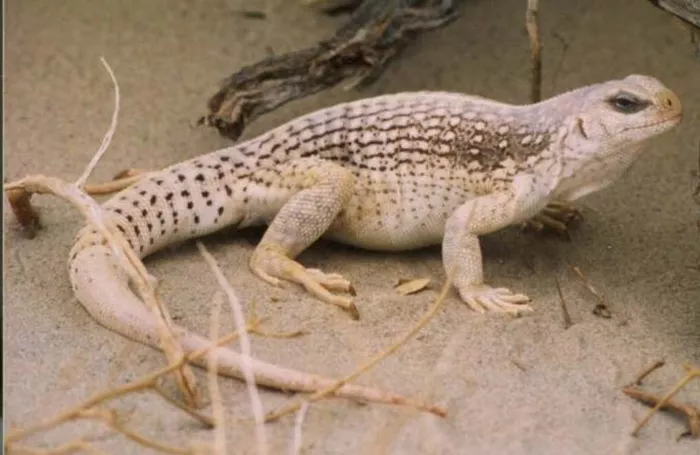
When it comes to reptiles, one of the most commonly asked questions is whether they have teeth. It’s a natural curiosity. After all, teeth are a major feature of many animals—humans, carnivores, and even herbivores. But what about desert iguanas? Are these fascinating creatures equipped with teeth, or do they rely on different methods to feed?
In this article, we’ll explore everything you need to know about desert iguanas and their teeth (or lack thereof). From understanding their dental structure to how they eat, you’ll learn the ins and outs of this unique reptile. Get ready to unlock some amazing facts!
What Are Desert Iguanas?
Before we dive into the specifics of their dental anatomy, let’s take a quick look at what desert iguanas are. Scientifically known as Dipsosaurus dorsalis, desert iguanas are reptiles native to the southwestern United States and parts of Mexico, particularly in the Sonoran and Mojave deserts. They’re medium-sized lizards that are well adapted to hot, arid environments. They’re also known for their remarkable ability to thrive in high temperatures, often being one of the few reptiles active during the hottest parts of the day.
The Role of Teeth in Reptiles
Why Do Animals Have Teeth?
Teeth in most animals serve a specific function: they help in the mechanical breakdown of food. Whether it’s chewing, tearing, or grinding, teeth allow an animal to process its food efficiently. In many species, teeth are crucial for hunting, gathering, and digestion.
But not all reptiles follow this rule. For instance, many herbivorous reptiles, like the giant tortoises or some iguanas, do not use teeth in the same way as carnivores.
Do Desert Iguanas Have Teeth?
Now let’s get to the heart of the matter: Do desert iguanas have teeth? The answer is both yes and no.
Unlike humans or carnivores like sharks, desert iguanas don’t have typical teeth designed for cutting or tearing. They have jagged, sharp, and pointy structures on their jaws, but they’re not technically teeth in the way we might imagine.
These structures, called “dental papillae”, are unique to some reptiles. They function as a sort of rough scraping tool, helping desert iguanas break down their food, which primarily consists of plant matter such as flowers, leaves, and fruits. In other words, while they don’t have true teeth, their mouths are still equipped with specialized structures to help them consume their plant-based diet.
The Anatomy of a Desert Iguana’s Mouth
What’s in a Mouth?
A desert iguana’s mouth is relatively simple compared to many other reptiles. These lizards don’t have a full set of sharp teeth like a carnivore would, but their mouth is equipped with:
Sharp, backward-facing dental papillae: These allow the iguana to grip onto food and scrape it from plants. Imagine it like a pair of finely serrated knives used for tearing soft leaves.
Powerful jaws: Though the iguana doesn’t need to chew like a human, it uses its strong jaws to break apart and ingest plants. The jagged papillae help break down tougher plant material.
When you think of an iguana munching on leaves, picture it more like a “scraping” process rather than biting or chewing. The jagged surfaces of their papillae help remove the outer layers of leaves and other vegetation.
Do Desert Iguanas Have Different Teeth Than Other Lizards?
Yes! While many lizards may have pointed teeth or structures for gripping or tearing, desert iguanas’ papillae are more specialized for their herbivorous diet. Their teeth are suited for grinding down plant matter, unlike the carnivorous teeth found in other species. This makes desert iguanas unique among lizards that have a more varied diet, including both plant material and meat.
How Do Desert Iguanas Eat?
What Does a Desert Iguana Eat?
Desert iguanas are herbivores, meaning their diet mainly consists of plant material. You might think this would make eating easy—just munching on leaves and flowers—but there’s a bit more to it.
These iguanas primarily eat:
Creosote bush: This is one of their main food sources. It provides them with plenty of leaves and flowers, which are a favorite.
Alfalfa: Desert iguanas also like to munch on alfalfa leaves.
Cacti: Sometimes, desert iguanas will feed on certain types of cacti, taking advantage of the juicy pads and fruits.
Their diet is rich in moisture, which is crucial for survival in the dry desert environment.
The Feeding Process: How the Desert Iguana Uses Its Mouth
When desert iguanas feed, they often scrape the soft, tender parts of the plants with their rough dental papillae. They don’t chew the way humans or carnivores do. Instead, they tear and swallow plant material in chunks.
Unlike animals that need to chew their food thoroughly to aid digestion, desert iguanas rely on their digestive system to break down the plant matter once it’s in their stomach. Their intestines do most of the work of extracting nutrients, while the papillae just help the initial feeding process.
Other Adaptations of Desert Iguanas
How Do Desert Iguanas Survive in Hot Environments?
Desert iguanas are built for survival in one of the most extreme environments on Earth. Their heat tolerance is amazing—they are among the few reptiles that can thrive during the hottest part of the day. Here are some adaptations that help them survive:
Burrowing: When the temperature reaches unbearable heights, desert iguanas dig burrows or hide under bushes like creosote to stay cool.
Behavioral Adaptations: They are active during the hottest hours of the day, taking advantage of the heat to remain active and avoid predators that might hide in the shade.
What Are the Risks of Not Having Teeth?
Since desert iguanas don’t have traditional teeth, you might wonder: Do they have trouble feeding? Surprisingly, no! Their dental papillae are more than enough to help them gather and process their food. Plus, their digestive system is excellent at breaking down the plant matter once it’s ingested.
Having no teeth doesn’t seem to be a disadvantage at all in their natural habitat. Instead, they rely on other adaptations to help them thrive in their desert environments.
Conclusion
In summary, desert iguanas do not have true teeth. Instead, they rely on specialized structures in their mouths called dental papillae to help them feed on plants. While they don’t chew food like humans, these iguanas are perfectly adapted to their herbivorous diet, using their strong jaws and rough papillae to scrape and tear plant matter.
Even without traditional teeth, desert iguanas thrive in their harsh environments, using an array of other physical and behavioral adaptations to survive.
Related topics: