
You’ve probably heard that desert iguanas are fascinating reptiles, known for their adaptability and unique appearance. But one of the most commonly asked questions among reptile owners is: How long can these creatures live in captivity? Whether you’re considering adopting a desert iguana or you’ve already brought one into your home, knowing about their lifespan is essential for providing the best care. In this article, we’ll explore everything you need to know about the desert iguana’s life expectancy, how to maximize their lifespan, and what factors can influence how long they live in captivity.
Understanding Desert Iguanas: The Basics
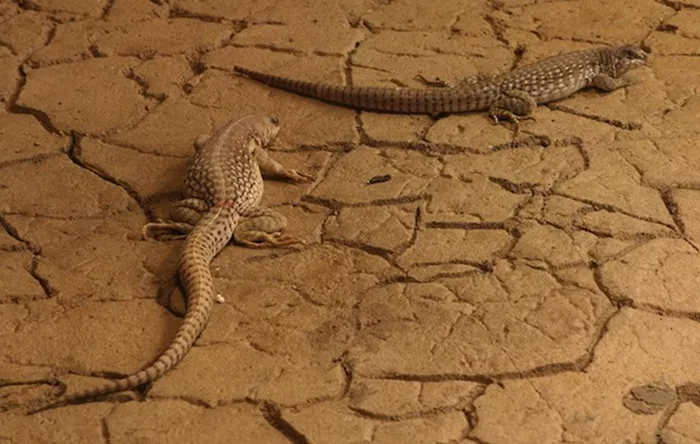
Before diving into the specific details of lifespan, let’s understand the desert iguana a bit better. The desert iguana (Dipsosaurus dorsalis) is native to the southwestern United States, particularly the Sonoran and Mojave Deserts. These reptiles thrive in dry, hot environments, making them well-suited for life in the desert. In the wild, their natural lifespan is typically around 10-15 years, but can they live that long in captivity? Let’s find out!
Factors Affecting the Lifespan of a Desert Iguana in Captivity
When it comes to captivity, a lot of factors can play a role in how long a desert iguana lives. While their lifespan in the wild may be relatively short, the conditions you provide in captivity can significantly extend their life.
1. Diet: The Foundation of a Long Life
A proper diet is essential for your iguana’s health. These lizards are primarily herbivores, feeding on plants such as flowers, leaves, and fruits. They also occasionally consume insects. The food you provide them should be rich in vitamins, minerals, and fiber to ensure they live a long and healthy life.
For example, you might compare feeding your iguana to feeding yourself: Would you eat a diet consisting only of processed foods, or would you opt for something more natural and nourishing? It’s the same for your iguana! A poor diet can lead to obesity, malnutrition, and other health problems that will shorten their lifespan.
2. Temperature and Habitat: Keeping It Just Right
Like many reptiles, desert iguanas are cold-blooded, which means their body temperature depends on their environment. In the wild, they can bask under the desert sun, but in captivity, it’s crucial to recreate these conditions. A proper temperature gradient should be maintained within their enclosure, with a basking spot around 100-105°F (37-41°C) and a cooler area around 75-80°F (24-27°C). If your iguana can’t regulate its body temperature, its health will suffer, and this can lead to a shorter lifespan.
3. UVB Lighting: A Vital Source of Health
Desert iguanas need UVB lighting to synthesize Vitamin D3, which helps them absorb calcium. Without sufficient UVB light, they can develop metabolic bone disease (MBD), which can be fatal. In captivity, a good quality UVB light should be placed inside their enclosure for about 12-14 hours a day. Think of UVB light like sunlight for a plant: without it, the plant can’t photosynthesize and grow strong.
Average Lifespan of Desert Iguanas in Captivity
On average, desert iguanas live anywhere from 12 to 20 years in captivity, depending on the care they receive. In the wild, they may not live as long due to predators, disease, or other environmental challenges. However, in a controlled environment with proper care, these reptiles can thrive and reach their full lifespan potential.
Age Milestones: What to Expect
Hatchlings to Juveniles: When they hatch, desert iguanas are small and delicate. Proper diet and gentle handling will help them grow into healthy juveniles.
Adulthood: By the time they reach adulthood (around 2-3 years old), desert iguanas are fully grown and can start reproducing. They may live another 10+ years, especially if their care is optimal.
Seniors: Like humans, iguanas become more vulnerable as they age. Senior desert iguanas may need more specialized care, such as a better diet or more frequent vet visits.
Common Health Issues That Can Shorten Lifespan
Several health issues can affect the lifespan of desert iguanas in captivity. Let’s explore some of the most common ones:
1. Obesity: The Silent Killer
One of the leading causes of reduced lifespan in captive desert iguanas is obesity. Inadequate diet and overfeeding can result in weight gain, which places extra strain on their organs and joints. Regularly monitor their weight to ensure they’re not becoming overweight.
2. Metabolic Bone Disease (MBD)
MBD is a condition that occurs when a reptile doesn’t receive enough calcium or UVB light, which weakens their bones. In severe cases, this can lead to deformities, fractures, or even death. Make sure your iguana receives sufficient UVB lighting and calcium in its diet.
3. Respiratory Infections
If your iguana is kept in a cold environment for too long, it can develop respiratory infections. These are dangerous because they can go unnoticed for a while, leading to severe complications. Maintain proper temperature levels in your iguana’s habitat to avoid this issue.
4. Dehydration
Desert iguanas are accustomed to living in arid conditions, but they still need access to water. Dehydration can be a serious issue in captivity, leading to kidney problems and a shorter lifespan. Provide fresh water daily, and ensure they have access to humidity if necessary.
How to Maximize Your Desert Iguana’s Lifespan
If you want your desert iguana to live a long, healthy life, here are some tips to follow:
1. Provide a Spacious and Stimulating Environment
Your iguana needs plenty of space to roam. A cramped enclosure can cause stress, leading to health issues. A larger tank will also allow them to regulate their body temperature properly.
2. Regular Vet Checkups
Even if your iguana appears healthy, it’s essential to have it checked by a reptile-savvy veterinarian at least once a year. Regular checkups can catch any potential health issues early.
3. Proper Lighting and Temperature Control
Ensure your iguana has a proper basking area and that the temperature is within the ideal range. You can use heat lamps and ceramic heaters to maintain the right environment.
4. Avoid Handling Too Often
While it’s tempting to interact with your iguana frequently, remember that they are not always social creatures. Excessive handling can cause stress, which can negatively impact their health. Let them come to you when they’re ready.
Conclusion
Desert iguanas are hardy reptiles that can live long, healthy lives when provided with the right care. By creating a suitable environment, providing a nutritious diet, and keeping up with regular health checks, you can help ensure your desert iguana enjoys its full lifespan. Whether you’re just starting as an iguana owner or have had one for years, the time and effort you invest in their care will be well worth it. A healthy desert iguana is not only an incredible pet but also a fascinating creature to observe over many years.
Related topics: