
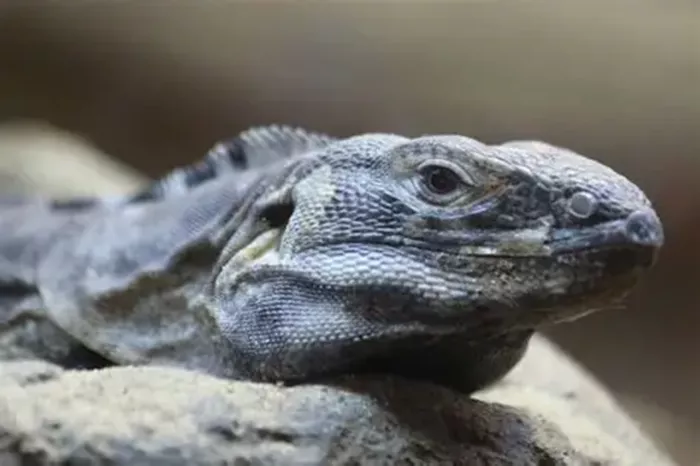
The Sonoran Black Iguana, Ctenosaura macrolopha, is a captivating reptile that captures the imagination of both experienced herpetologists and casual reptile enthusiasts alike. Known for its striking black coloration and distinctive body features, it is a species of iguana that thrives in the rugged terrain of the Sonoran Desert. But what makes this species so special? And what should you know if you’re considering keeping one as a pet or just learning about this desert dweller?
In this article, we will dive deep into the world of the Sonoran Black Iguana, exploring its physical characteristics, natural habitat, behavior, and even tips for caring for one. Whether you’re a first-time reptile keeper or an experienced enthusiast, this comprehensive guide will give you all the information you need. So, buckle up and let’s explore the fascinating world of this incredible reptile!
Introduction to the Sonoran Black Iguana
The Sonoran Black Iguana is part of the larger Ctenosaura genus, which includes a variety of spiny-tailed iguanas. These iguanas are native to the arid regions of northwestern Mexico, particularly in the Sonoran Desert area. This habitat is characterized by extreme temperatures and harsh, rocky environments, making the Sonoran Black Iguana a resilient and adaptable species.
Unlike its more famous cousin, the Green Iguana (Iguana iguana), the Sonoran Black Iguana has adapted to a different lifestyle that involves climbing and sunbathing in rocky crevices. With their distinct appearance and unique behaviors, these iguanas have caught the attention of reptile lovers worldwide.
Physical Characteristics: What Makes the Sonoran Black Iguana Stand Out?
The Sonoran Black Iguana is easily recognizable by its large, muscular body and distinct black coloration, which is often accented by hints of gray or brown, particularly in the males. Let’s break down its physical features:
Size and Body Shape
On average, Sonoran Black Iguanas grow to a length of about 4 to 5 feet, including their long tails, which make up a large portion of their length. The males are generally larger than the females, and their body size contributes to their impressive stature.
Imagine the long tail as a balancing pole, helping the iguana maintain stability as it climbs rocks or moves across rough terrain. The tail is also used as a defense mechanism, capable of delivering a quick strike if threatened.
Coloration
The coloration of the Sonoran Black Iguana is what makes it so striking. As the name suggests, these iguanas are predominantly black, though their color can range from a deep charcoal to a slightly lighter grayish hue. Males often develop more vivid, intense colors during mating season, making them stand out even more.
Spiny Features
Like other members of the Ctenosaura genus, the Sonoran Black Iguana has spiny structures along its back. These spines, known as “dorsal crests,” are one of the species’ most recognizable features. The spikes provide an extra layer of protection and serve to make the iguana look more intimidating to potential predators.
Eyes
Another noteworthy characteristic of the Sonoran Black Iguana is its large, expressive eyes. The eyes of this species are adapted for spotting predators from a distance. These iguanas have excellent vision, which helps them stay alert in their natural environment.
Habitat and Range: Where Can You Find the Sonoran Black Iguana?
As mentioned earlier, the Sonoran Black Iguana is native to the Sonoran Desert, which spans parts of northwestern Mexico and the southwestern United States. This desert environment is harsh, with extreme temperatures and limited rainfall, yet the iguana has evolved to thrive in this unforgiving landscape.
Rocks and Crevices
The Sonoran Black Iguana is a skilled climber, often seen sunbathing on the warm rocks or hiding in rocky crevices. These natural formations provide the iguana with the perfect shelter from predators, as well as a sunlit spot to regulate its body temperature.
You might have heard that iguanas are cold-blooded. This means that they rely on the sun to warm their bodies. So, when you see an iguana basking on a rock, it’s not just for a lazy day—it’s a necessary part of their survival.
Temperature Tolerance
The Sonoran Desert experiences extreme temperatures, ranging from scorching daytime highs to chilly nights. This adaptability makes the Sonoran Black Iguana well-suited for the environment. They are particularly active during the warmer parts of the day, when they can soak up the sun’s heat. In the evenings, they retreat to cooler areas to escape the drop in temperature.
Diet and Feeding Habits: What Does a Sonoran Black Iguana Eat?
In the wild, the Sonoran Black Iguana is primarily herbivorous, though it occasionally eats insects or small animals. Its diet is diverse, including a wide variety of desert plants, flowers, and fruits. Here’s a closer look at what they eat:
Plant-Based Diet
Their plant-based diet consists of leaves, flowers, and fruits, which provide the necessary nutrients to sustain them. The Sonoran Black Iguana also eats various types of cacti and succulents, which are high in moisture—a crucial resource in the desert.
Insects and Small Animals
While they mostly stick to plants, these iguanas are opportunistic feeders. This means that if they come across insects or small lizards, they won’t hesitate to munch on them. However, this animal matter is not a regular part of their diet.
If you ever find yourself observing these iguanas in the wild, don’t be surprised if you see them pounce on an insect or two. It’s just their natural feeding behavior at play.
Behavior and Personality: How Do Sonoran Black Iguanas Act?
The Sonoran Black Iguana is a relatively solitary species, though they may form small groups during the mating season or in areas with abundant resources. They are highly territorial and will defend their space from intruders, especially during the breeding season.
Active and Agile
You might think of iguanas as slow-moving, but the Sonoran Black Iguana is quite agile. These reptiles are fast climbers and will scurry up rocks or trees in search of food, shelter, or mates. Their strong legs and long tails help them navigate the rocky desert landscape with ease.
Basking Behavior
As cold-blooded reptiles, these iguanas rely heavily on the sun to regulate their body temperature. They are often seen basking during the daytime, absorbing warmth from the sun’s rays. This behavior is essential for digestion and overall well-being.
Reproduction and Life Cycle: How Do Sonoran Black Iguanas Reproduce?
The breeding season for the Sonoran Black Iguana typically occurs during the warmer months. During this time, males become more aggressive and territorial. Here’s what you need to know about their reproduction:
Mating Season
In the wild, males will compete for the attention of females by displaying their colorful body patterns. These displays are often accompanied by head bobbing or other physical behaviors meant to demonstrate their strength and vitality.
Nesting and Eggs
Once a male successfully attracts a female, they mate, and the female will lay her eggs in a secluded area. The eggs are typically laid in sandy soil, where they incubate for a few months before hatching. The hatchlings emerge from the eggs fully formed and begin their lives as independent creatures.
Longevity
In the wild, the Sonoran Black Iguana can live for up to 20 years, provided it avoids predators and harsh environmental conditions. In captivity, with proper care, they may live even longer.
Caring for a Sonoran Black Iguana: What You Need to Know
If you’re considering keeping a Sonoran Black Iguana as a pet, it’s important to understand their specific needs. They are not the easiest reptiles to care for, but with the right setup, they can thrive in captivity. Here are a few key considerations:
Habitat Setup
You’ll need to create an environment that mimics their natural habitat. This includes a spacious enclosure with plenty of vertical space for climbing. The temperature in their enclosure should be regulated, with a basking area reaching up to 95°F (35°C) and a cooler area at around 75°F (24°C).
Diet and Nutrition
In captivity, you should offer a varied diet of leafy greens, fruits, and vegetables. Be sure to supplement with calcium and vitamins to keep them healthy. Avoid feeding them too many insects, as this can cause digestive issues.
Handling and Socialization
Sonoran Black Iguanas can be skittish and may not tolerate much handling. It’s best to let them acclimate to their new environment before attempting to interact with them. With time, some may become more comfortable with their owners, but it’s important to respect their space.
Conclusion
In summary, the Sonoran Black Iguana is a resilient and captivating species, well-suited to the challenging environment of the Sonoran Desert. Whether you’re a reptile enthusiast or considering one as a pet, understanding their natural behaviors, habitat, and care requirements is crucial. From their impressive climbing skills to their unique mating rituals, these iguanas have a lot to offer for anyone willing to learn about them.
Related topics: