
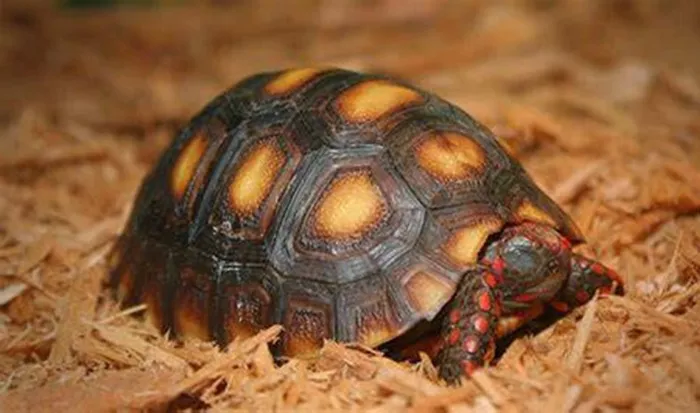
As a reptile owner, one of the most important tasks you’ll face is understanding the care needs of your pet. Among these, soaking your red-footed tortoise is crucial for its health. But the burning question is, how often should you soak a red-footed tortoise?
It might seem simple at first glance, but the right answer depends on a variety of factors, such as your tortoise’s age, habitat, and even the environment in which it lives. In this guide, we will dive into the specifics of soaking red-footed tortoises and explain why it’s essential for their overall well-being.
Let’s break this down step by step, so you get the right care for your beloved tortoise.
The Importance of Soaking Red-Footed Tortoises
Before we get into the specifics of frequency, let’s first explore why soaking your red-footed tortoise is necessary.
Hydration
Unlike many other reptiles, tortoises absorb water through their skin, especially during a soak. Their shell and skin have a unique ability to absorb moisture, and regular soaking helps maintain hydration. This is critical for their health, as dehydration can lead to a variety of issues, including kidney problems, dry skin, and sluggish behavior.
Digestion
Did you know soaking also helps with digestion? When tortoises soak, the water relaxes their digestive system, which in turn helps them process their food better. For red-footed tortoises, proper digestion is important for breaking down the nutrients they get from their primarily plant-based diet.
Stimulating Urination
Red-footed tortoises have a unique way of excreting waste. Soaking helps stimulate urination, ensuring that the tortoise gets rid of excess salts and other waste from its body. This also keeps them clean and free from possible infections that could arise from waste buildup.
How Often Should You Soak a Red-Footed Tortoise?
So, how often should you soak your red-footed tortoise? The general guideline is to soak your tortoise two to three times a week. However, several factors can alter this frequency. Let’s break it down.
Age of the Tortoise
If you’re caring for a juvenile or hatchling, you may need to soak it more often. These young tortoises are still developing, and their hydration needs are greater. Soaking once a day, or at least every other day, will help ensure they stay properly hydrated. On the other hand, adult tortoises can manage with 2-3 soaks per week, provided they are housed in a moist environment.
Living Environment
If your red-footed tortoise lives in a dry area, you may need to soak it more frequently. Remember, tortoises in the wild get moisture from rain or humidity in their environment, but those living in dry enclosures might require more regular soaking to make up for the lack of natural humidity. A humid hide or misting the enclosure can also help support its hydration needs.
Diet and Hydration
The type of food you provide plays a role too. Tortoises that consume high-moisture fruits and vegetables (like leafy greens or cactus pads) may not need soaking as frequently. These foods help maintain hydration. If their diet consists more of dry foods, you may want to soak them more regularly.
The Correct Soaking Method for a Red-Footed Tortoise
Soaking your tortoise isn’t just about dropping it into a tub of water. It’s important to soak it correctly, so your pet benefits from it.
Water Temperature
The water should be lukewarm, not too hot or cold. Think of it like a warm bath for yourself – you wouldn’t want it scalding, and you wouldn’t want to freeze either! Lukewarm water (about 80–85°F) is just right for your red-footed tortoise. The temperature helps to relax their muscles and stimulate their digestive system.
Soak Time
For juvenile tortoises, 15 to 20 minutes is usually sufficient. However, adult red-footed tortoises can enjoy a soak for 20 to 30 minutes. Just keep an eye on your pet, and if it starts to act anxious or uncomfortable, it’s time to remove it from the water. Always ensure your tortoise has enough space to move around comfortably in the soak.
After Soaking
Once the soak is done, make sure to gently dry your tortoise with a soft towel. You don’t want it to stay wet for too long, as excess moisture can lead to skin problems. Be gentle around the edges of the shell to avoid causing any irritation.
Signs Your Red-Footed Tortoise Needs More Soaking
Even though two to three times a week is the typical recommendation, there are signs that your tortoise may need more frequent soaks.
Dry, Flaky Skin
If you notice that your red-footed tortoise’s skin is dry or flaky, it could be a sign of dehydration. Increased soaking can help remedy this. Make sure the humidity in the enclosure is optimal, too.
Constipation
If your tortoise seems to be straining or isn’t defecating as regularly, it may benefit from more frequent soaking. Soaking helps stimulate the bowels, making it easier for the tortoise to go to the bathroom.
Slow Movements or Lack of Activity
Tortoises that are not getting enough water may become lethargic or slow. Soaking your tortoise may perk it up and get it moving more energetically.
Environmental Factors to Consider for Red-Footed Tortoises
In addition to soaking, the humidity and overall environmental conditions are crucial for your red-footed tortoise’s hydration and health.
Humidity Levels
Maintaining appropriate humidity levels in your tortoise’s enclosure is key. Red-footed tortoises are native to areas with higher humidity, so their living environment should have around 60-80% humidity. A good way to maintain this is by misting the enclosure regularly and providing a moist hide where the tortoise can retreat.
Enclosure Design
Make sure that your tortoise’s enclosure is designed in such a way that it can bask in warmth while also cool off in a more humid area. Proper ventilation is equally important to avoid excess moisture buildup.
Common Mistakes to Avoid While Soaking Your Red-Footed Tortoise
Sometimes, well-meaning pet owners can make mistakes while soaking their tortoises. Here are a few common pitfalls to avoid:
Soaking in Cold Water
Cold water can shock your tortoise’s system. Always ensure the water is the right temperature before placing your pet in it.
Excessive Soaking
While soaking is great, overdoing it can cause stress to your tortoise. Don’t keep them in the water for too long.
Not Monitoring the Tortoise
Tortoises are slow-moving and may sometimes get tired or uncomfortable in the water. Never leave your tortoise unattended during a soak.
Not Providing Enough Moisture in the Enclosure
If you rely too much on soaking and neglect the humidity in the enclosure, you may be missing out on a crucial aspect of your tortoise’s overall care.
Conclusion
Soaking your red-footed tortoise is essential to keeping it hydrated and healthy, but the frequency of soaking depends on factors like age, environment, and diet. Regular soaks, proper humidity, and a balanced diet are all part of ensuring your tortoise thrives in captivity.
Additional Tips for Red-Footed Tortoise Care
Always check your tortoise’s skin for signs of dehydration or dryness.
Make sure your tortoise has access to clean, fresh water in addition to soaking.
Keep your enclosure moist, but not too wet, to maintain a healthy balance.
Now that you know the importance of soaking, remember that a hydrated tortoise is a happy tortoise! Enjoy watching your red-footed tortoise thrive in a healthy and well-cared-for environment.
Related topic: