
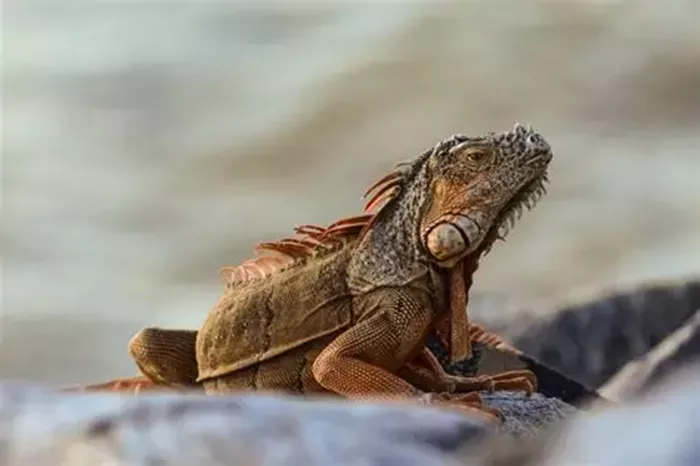
Have you ever wondered just how long your iguana might stick around? Maybe you’ve just brought one home, or maybe you’re thinking about adopting one of these scaly friends. Here’s the surprising truth—an iguana can live as long as your family dog, or even longer. That’s right—under the right care, an iguana’s lifespan can stretch well over 20 years!
But—here comes the twist—not every iguana lives that long. In fact, most captive iguanas don’t make it past 8 years. Why such a huge gap? What are people doing wrong, and what can you do right?
Let’s dive deep into the fascinating life of iguanas, uncover the key factors that shape their lifespan, and unlock tips to help your iguana live a long, happy life. Whether you’re new to iguana care or a seasoned reptile lover, this guide will shed light on everything you need to know.
Understanding the Iguana Species: Not All Are the Same
When we say “iguana,” most people imagine the Green Iguana—bright, bold, and often stretching over 5 feet long. But the iguana family is a big one, and different species live different lengths of time.
Let’s keep things simple. Here’s a quick breakdown:
Green Iguana (Iguana iguana): The most common pet species. Lifespan can reach 15–20 years, sometimes longer.
Desert Iguana (Dipsosaurus dorsalis): Native to arid areas, usually live 5–10 years in captivity.
Fiji Banded Iguana (Brachylophus fasciatus): A rare and beautiful species, can live up to 25 years in captivity.
Spiny-Tailed Iguanas (Ctenosaura spp.): Known for shorter tempers and shorter lives—10–15 years is common.
That said, the Green Iguana dominates the pet scene, so for most of this article, that’s our star.
Wild vs. Captivity: Why Captive Iguanas Can Live Longer (Or Shorter)
In the wild, life is full of surprises—and danger. Predators, disease, lack of food, and harsh weather can all cut an iguana’s life short. On average, wild iguanas live around 8–12 years.
But in captivity? They’ve got it all: regular meals, shelter, no predators, and ideally, plenty of love. So why do so many pet iguanas die young?
Here’s the hard truth: improper care is the #1 killer of captive iguanas.
Let’s talk about what’s going wrong—and how to do it right.
Habitat Conditions: Your Iguana’s Personal Jungle
Think of it this way: would you thrive in a freezing room with no sunlight and the wrong food? Neither would your iguana.
These reptiles evolved in hot, humid jungles, soaking up the tropical sun from tall treetops. In your home, they need a carefully designed “mini rainforest.”
Here’s what makes the biggest impact:
Temperature: Iguanas need a warm environment—around 85°F (29°C) during the day, and a basking spot at 95°F (35°C). If it’s too cold, their bodies slow down. Imagine trying to run a marathon in winter without clothes. That’s how they feel!
Humidity: Aim for 70–80% humidity. Low humidity can lead to dehydration and shedding problems.
Lighting: This one’s critical. Iguanas need UVB light to survive. UVB lamps are like artificial sunlight—they help your iguana synthesize vitamin D3, which allows them to absorb calcium. Without it? They risk MBD (metabolic bone disease), a painful condition caused by calcium deficiency. Bones become soft, jaws deform, and movement becomes difficult.
So, yes—light really is life for your iguana.
The Role of Diet: More Than Just Leaves
An iguana’s diet in the wild is 100% herbivorous. They munch on leaves, flowers, fruits, and occasionally tree bark. Feeding them meat or pet food is like feeding candy to a child every day—except it’s deadly.
In captivity, a proper diet is the cornerstone of a long life. The main rules are:
−Dark leafy greens like collard greens, mustard greens, and dandelion greens form the base.
−Squash, bell peppers, and occasional fruits like papaya can add variety.
−Avoid spinach, iceberg lettuce, and rhubarb—they either lack nutrients or contain harmful compounds.
Remember: A poor diet weakens the immune system, reduces lifespan, and increases the risk of organ failure. Getting it right can literally add 10 years to your iguana’s life.
Handling and Stress: Yes, Iguanas Have Feelings Too
You might think your iguana is just a cold-blooded creature (literally), but they’re surprisingly emotional. Stress plays a huge role in shortening their life.
What causes stress?
−Constant handling, especially when young
−Loud noises or sudden movements
−Inadequate space or enclosure
−Poor socialization
Give your iguana time to trust you. Let them come to you. A stressed iguana may stop eating, become aggressive, or develop health issues.
Think of stress as the silent killer—it doesn’t show up immediately, but over time, it chips away at their health and shortens their lifespan.
Health Problems: What You Don’t See Can Hurt Them
Iguanas are masters at hiding illness. In the wild, showing weakness means becoming prey. So even when they’re sick, they often look fine—until it’s too late.
Common issues that affect lifespan:
Metabolic Bone Disease: Caused by lack of UVB and calcium.
Respiratory Infections: Linked to cold or dry environments.
Parasites: Internal or external parasites can drain energy and cause digestive problems.
Kidney Failure: Often due to high-protein diets or dehydration.
Regular vet checkups are a must. A reptile-savvy vet can spot subtle signs of illness early. Don’t wait until something is visibly wrong—prevention is powerful.
Growth and Maturity: What Age Tells You About Health
Iguanas grow fast—often reaching adult size within 2–3 years. But growth should be steady and healthy, not rapid and bloated due to overfeeding.
Signs of a healthy iguana in growth phase:
−Clear eyes
−Strong, active movement
−Bright, consistent coloring
−Regular shedding
If you notice stunted growth, it might mean something is off in their care. Lifespan starts shrinking from the first sign of trouble.
See Also: Why Fiji’s Unique Iguanas Are in Danger?
Breeding and Lifespan: Does Reproduction Wear Them Out?
Interestingly, breeding can impact lifespan, especially for female iguanas. Laying eggs takes a massive toll on their bodies. Even females without a mate may lay infertile eggs, which can cause health issues like egg binding (where an egg gets stuck inside).
Ensuring proper calcium levels, hydration, and nesting space is crucial for breeding females. Otherwise, they face increased risks—and potentially shorter lives.
Love and Longevity: How Bonding Helps Iguanas Live Longer
Yes, your iguana can recognize you over time. With patience, consistency, and care, some iguanas become quite docile—even affectionate. When they feel safe and stimulated, their quality of life improves.
Studies and anecdotal evidence suggest that mental enrichment—like climbing branches, naturalistic habitats, and even interaction with their caregivers—can increase their lifespan.
So go ahead—name your iguana, talk to them, and give them space to explore. You’re not just a zookeeper—you’re their jungle companion.
Conclusion
So, how long does an iguana live?
With poor care: 3 to 8 years.
With good care: 15 to 20 years.
With exceptional care: 25 years or more.
Your choices matter. Every UVB bulb, every leafy meal, every calm moment—it all adds up. Iguanas aren’t just exotic pets. They’re companions from the tropics, depending on us to recreate their natural world.
If you’re ready to commit to proper care, you’re not just extending a life—you’re building a bond that can last decades.
And that? That’s a beautiful journey worth every effort.
Related topics: