
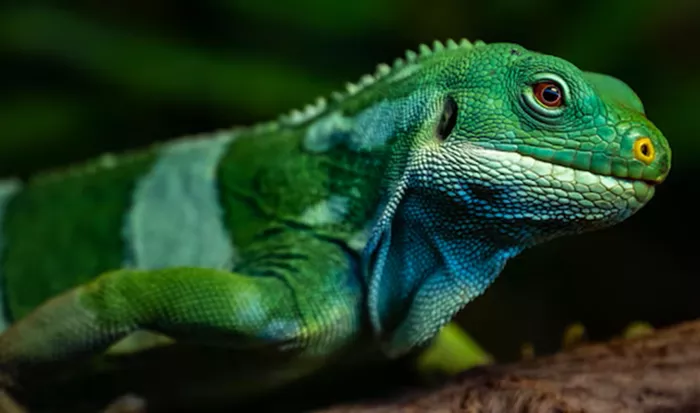
Imagine walking through the lush, tropical forests of Fiji, where the air is warm and humid, and a unique reptile quietly basks in the sun — the Fiji iguana. These remarkable creatures have thrived on the islands for thousands of years, adapting perfectly to their environment. Yet today, the Fiji iguana is fighting for survival. You may wonder, why are these fascinating reptiles endangered? Let’s uncover the mystery step by step.
What Makes Fiji Iguanas So Special?
Fiji iguanas are not just ordinary lizards; they are part of a rare group called iguanas, and uniquely, they live only on the islands of Fiji. They play an important role in their ecosystem, like gardeners who help spread seeds and maintain the balance of the forest. Think of them as nature’s little caretakers.
But despite their importance, their numbers are shrinking rapidly. This decline is worrying scientists and nature lovers alike.
Habitat Loss: When Home Disappears
One of the biggest reasons Fiji iguanas are endangered is habitat loss. Imagine if your home was slowly taken away, piece by piece. That’s what’s happening to these iguanas.
Fiji’s forests are being cleared for farming, logging, and building towns. The dense trees and plants where iguanas find food and shelter are disappearing. Without a safe home, iguanas struggle to find places to hide from predators or lay their eggs.
Losing their habitat is like losing their entire world — no place to live means no place to survive.
Invasive Species: Unwelcome Visitors
Now, let’s talk about another sneaky problem: invasive species. These are animals that do not naturally belong to Fiji but have arrived, often because of humans. Unfortunately, these visitors cause big trouble.
Take the mongoose, for example. Introduced to Fiji to control snakes, mongooses have turned into fierce hunters of iguanas and their eggs. To the iguanas, these new predators are like unexpected burglars breaking into their homes.
Rats are another problem. They eat iguana eggs and baby iguanas before they can grow up. Imagine trying to protect your children while hidden dangers surround you.
Climate Change: An Unseen Threat
You might have heard about climate change affecting polar bears or coral reefs, but it’s also a threat to Fiji iguanas. The rising temperatures and changing rainfall patterns affect the delicate balance of their habitat.
For iguanas, temperature is crucial. They rely on the sun’s warmth to regulate their body temperature and digest food. If the climate becomes too hot or dry, their food plants may wither, and their daily routines get disrupted.
Think of it as trying to live in a house where the thermostat suddenly stops working correctly — uncomfortable and unhealthy.
Disease and Health Challenges
Just like humans, iguanas can get sick. In captivity and the wild, they sometimes suffer from diseases caused by poor nutrition or parasites.
One common issue is a condition similar to human osteoporosis, where their bones become weak due to lack of calcium. Calcium is vital for iguanas, and they get it mostly from sunlight, which helps them make vitamin D3. It’s like how we need sunshine to keep our bones strong.
If an iguana doesn’t get enough natural sunlight — say, if its habitat is shaded or if it lives near human settlements — it can develop serious health problems.
Human Impact: More Than Just Habitat Loss
Humans affect Fiji iguanas in other ways too. Illegal pet trade is a problem. Some people capture iguanas to sell them as exotic pets. This not only reduces wild populations but also causes stress and injury to the animals.
Additionally, pollution and waste can harm their environment, contaminating the plants they eat and the water they drink.
Conservation Efforts: Can We Save the Fiji Iguana?
The good news is people are trying to help. Conservationists work hard to protect Fiji’s forests and control invasive species. Some programs breed iguanas in captivity and release them back into safe habitats.
You, as a nature lover, can support these efforts by spreading awareness and choosing products that do not harm the environment.
Conclusion
In summary, Fiji iguanas are endangered due to a combination of factors: loss of their forest homes, new predators like mongooses and rats, the changing climate, health problems linked to poor nutrition and sunlight, and harmful human activities such as illegal trade and pollution.
These threats are interconnected, creating a complex challenge that requires urgent action. But with awareness, care, and conservation, we can help these unique reptiles survive and thrive once again.
If you ever get the chance to visit Fiji, keep an eye out for these incredible iguanas. Their survival story is still being written — and you can be part of it.
Related topics: