
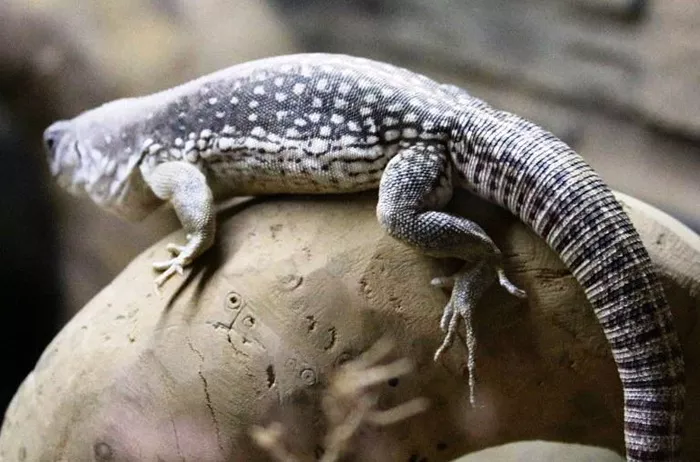
If you’ve ever wondered where desert iguanas call home, you’re in for a fascinating journey! These remarkable creatures are experts in surviving the harshest conditions on Earth. You might think they only live in the sand, but there’s more to their habitat than meets the eye. Let’s dive into their world, exploring their habitats, survival techniques, and how they thrive in the unforgiving desert.
Introduction: The Surprising World of Desert Iguanas
Desert iguanas are not just any reptiles; they are perfectly adapted to life in some of the hottest, driest places on the planet. You might picture them basking lazily under the scorching sun of a desert, but have you ever wondered where exactly they live? What conditions do they need to survive, and how do they manage in such an extreme environment?
You’re about to discover the secret lives of desert iguanas and their surprising choice of homes in North America’s most iconic deserts. Their habitat isn’t just the typical sand dunes you might expect. Instead, it’s a complex and carefully selected space that plays a crucial role in their survival. So, buckle up for an adventure!
Where Do Desert Iguanas Live? The Basics
Desert iguanas, known scientifically as Dipsosaurus dorsalis, call the Sonoran Desert and Mojave Desert their home. These deserts span across the southwestern United States, including parts of Arizona, California, and Nevada, and even extend into Mexico. But it’s not just any part of these deserts that desert iguanas prefer. They thrive in areas that offer certain conditions—conditions that are essential for their survival.
These reptiles are often found in areas with plenty of creosote bushes (a type of desert plant) and sandy soil. You might be thinking, “Why creosote bushes?” Well, these bushes serve as excellent shelter, protection from predators, and a source of food, making them an ideal place for desert iguanas to live.
The Desert’s Many Faces: Where Desert Iguanas Live
1. The Sonoran Desert: A Hotbed of Life
The Sonoran Desert, one of the hottest and driest deserts in North America, is a prime habitat for the desert iguana. This vast region stretches across the southwestern United States and into Mexico, where temperatures can exceed 100°F (38°C) during summer. Despite these extreme conditions, the desert iguana thrives here.
In the Sonoran Desert, you’ll find desert iguanas living under the protective shade of creosote bushes or burrowed into sandy soils. The temperature can soar during the day, but these reptiles have developed some amazing adaptations to handle it. Their light-colored, scaly skin helps reflect the heat, and their behavior—such as staying active during the hottest parts of the day—helps them avoid overheating.
2. The Mojave Desert: A Challenging Home
The Mojave Desert, known for its rocky terrain and higher elevation, is another key habitat for desert iguanas. Here, they find shelter among the rocky outcrops, in crevices, or under the cover of low shrubs. Unlike the Sonoran Desert, the Mojave’s terrain isn’t as sandy, but it provides a unique set of advantages, including cooler nighttime temperatures and the occasional rainstorm that supports life.
In this desert, the iguanas spend their time hunting for food in areas with low-growing plants, such as the famous Joshua Trees. Their ability to adapt to different landscapes within the Mojave Desert shows just how versatile they are.
Living with the Desert: How Desert Iguanas Adapt
Living in the desert is no easy feat. Extreme temperatures, scarce water sources, and dangerous predators make survival tough. But desert iguanas are built to handle these challenges, and their habitat selection plays a critical role in helping them do just that.
1. Temperature Regulation: A Day in the Life of a Desert Iguana
The desert environment can get unbearably hot during the day, but desert iguanas have a clever trick up their sleeve: they stay active during the hottest parts of the day. Unlike most reptiles, which tend to hide in the cooler hours of the day, desert iguanas bask in the scorching sun. However, when temperatures reach 104°F (40°C) or higher, they retreat to cooler spots like burrows or the shady areas under shrubs to keep from overheating.
This active temperature regulation allows desert iguanas to take full advantage of the desert’s resources while staying cool enough to avoid heatstroke.
2. Shelter and Safety: The Role of Burrows and Creosote Bushes
Desert iguanas are excellent diggers. They use their strong claws to burrow into the sand, creating cool, safe spaces beneath the surface. These burrows act as shelters during the hottest parts of the day, offering relief from the intense heat. At night, they retreat to these burrows to escape the colder desert air and avoid predators.
Creosote bushes also play a critical role in the iguana’s life. These plants, which thrive in the desert, provide shade, protection from predators, and a food source. The iguana’s relationship with the creosote bush is a perfect example of how desert organisms have evolved to depend on each other for survival.
The Challenges of the Desert: Predators and Prey
Despite their tough nature, desert iguanas have several natural enemies, including hawks, snakes, and mammals like foxes. Fortunately, they are masters of escape and can retreat quickly into the safety of their burrows or into dense shrubbery.
They also make use of their camouflaged skin, which blends perfectly with the sandy and rocky desert landscape. This helps them avoid being spotted by predators. When cornered, desert iguanas can expand their bodies and squeeze into small spaces, making them difficult to catch.
3. Food in the Desert: What Desert Iguanas Eat
Desert iguanas are herbivores, meaning they eat mostly plants. Their diet includes leaves, flowers, and fruits from plants like the creosote bush and desert mallow. Sometimes, they might also eat insects like ants or crickets when available. The combination of plant and insect matter provides them with the nutrients they need to thrive in their challenging desert homes.
While desert iguanas do not require constant access to water, they are still dependent on occasional rainfall to hydrate. The water they get from plants and rainwater collected in their burrows is enough to keep them hydrated during the dry months.
Conservation: The Future of Desert Iguanas
While desert iguanas are well adapted to their harsh environments, they face threats from human activities. Urbanization, off-roading, and habitat destruction are among the biggest threats to their survival. Without adequate conservation efforts, desert iguanas could face a decline in numbers.
Efforts to protect their habitats—such as the establishment of protected areas and regulations on human activities—are essential to ensuring the future of these amazing reptiles.
Conclusion
Desert iguanas are true survivors, thriving in one of the harshest environments on Earth. Their homes, nestled in the deserts of North America, are far from barren wastelands. Instead, they are complex ecosystems that provide everything these reptiles need to thrive. From creosote bushes to burrows, desert iguanas have perfected the art of desert living.
By understanding where and how they live, we can better appreciate these extraordinary creatures and the delicate balance of life in the desert. So the next time you hear about a desert iguana, remember—it’s not just the hot sand they live in, but a carefully chosen habitat that has made them one of the desert’s most fascinating inhabitants.
Related topics: