
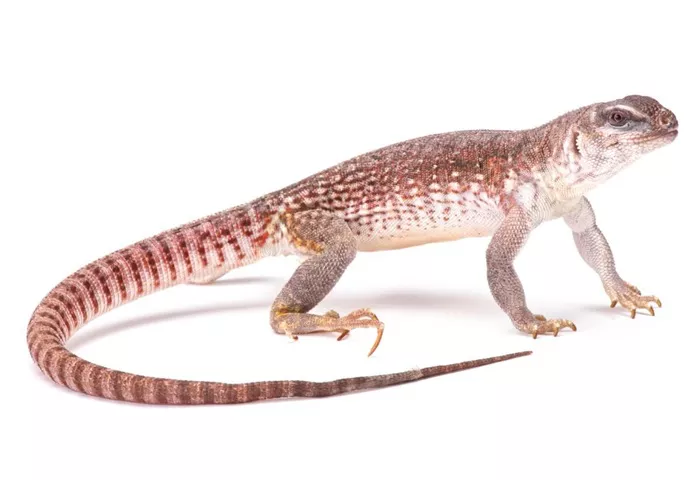
When you think of reptiles, what comes to mind? For many, the image of a slow-moving, mysterious creature comes to mind, usually coiled up or basking in the sun. But what if I told you that one of these reptiles, the desert iguana, might surprise you with its behavior? Are desert iguanas aggressive? You might be asking. After all, most reptiles tend to be known for their flighty or sometimes hostile nature.
In this article, we’ll dive deep into the world of the desert iguana—how it behaves in the wild, how it interacts with its environment, and most importantly, how aggressive it really is. Whether you’re an aspiring reptile owner or a curious reader, you’ll find this information useful and engaging.
Introduction to the Desert Iguana
Desert iguanas (Dipsosaurus dorsalis) are native to the arid deserts of the southwestern United States and parts of Mexico, specifically the Sonoran and Mojave deserts. They thrive in these harsh, dry environments where temperatures can soar well over 100°F (38°C). Unlike other reptiles that might seek shelter from the heat, desert iguanas often embrace it, being among the most heat-tolerant reptiles out there. However, this unique ability to withstand extreme temperatures doesn’t make them inherently aggressive.
When it comes to their temperament, many wonder if they’ll be dealing with a defensive or hostile creature. But before we dive into that, let’s explore the behavioral tendencies of desert iguanas in more detail.
What is Aggression in Reptiles?
In order to understand if desert iguanas are aggressive, we first need to understand what aggression means in reptiles. Reptiles are cold-blooded, which means they don’t have the same emotional responses as mammals do. Their “aggression” is often a survival mechanism, influenced by the need to protect themselves, their territory, or their food.
So, when we talk about aggression in reptiles, we’re generally talking about their response to perceived threats. For desert iguanas, this might mean running away, displaying defensive behaviors, or, in rare cases, becoming physically confrontational. This leads us to the question: how do desert iguanas typically react to potential threats?
Are Desert Iguanas Aggressive?
Here’s the deal: desert iguanas are not naturally aggressive creatures. In fact, they are considered to be relatively calm, especially when compared to other reptiles like the green iguana. They are, by nature, herbivores that spend most of their time feeding on plants and basking in the sun. Their primary mode of defense is not aggression, but avoidance. They would rather flee than fight, often darting into burrows or seeking cover under desert shrubs to escape potential danger.
Defensive Behaviors: What You Need to Know
When a desert iguana feels threatened, its response is often subtle but effective. If it perceives a danger, it may:
Flee: They are fast runners and will take off at high speed if they sense danger. If you’re observing one in the wild, you might notice how quickly they scurry away.
Display Defensive Postures: Unlike more aggressive reptiles, a desert iguana is more likely to show a series of visual cues to warn predators or intruders. They might puff up their bodies, flatten their backs, or even make hissing sounds. This is usually enough to deter most potential threats.
Hide: These iguanas are adept at finding shelter. They often burrow underground or take refuge in the dense foliage of creosote bushes, which provide excellent cover from predators.
Are They Aggressive Toward Humans?
Desert iguanas are not aggressive toward humans unless they feel threatened. Even in captivity, they are typically calm and non-confrontational. For reptile owners, this makes desert iguanas easy to manage compared to other species like the green iguana or the Mexican spiny-tailed iguana, which can display more territorial behavior.
For example, I once had a pet desert iguana named “Desi” who would quietly watch me from his basking spot and would often allow me to handle him gently. But if I approached him too quickly or startled him, he would dart into his hideout, preferring the safety of his burrow. This is more a defense mechanism than true aggression.
The Role of Territory in Iguana Behavior
Another factor that may influence a desert iguana’s behavior is territory. While they are not typically aggressive, desert iguanas do have territorial instincts, especially males. During the breeding season, males may become more territorial, and some may engage in physical displays to assert their dominance over other males. This can involve behaviors like push-ups or displaying their throat pouch, which is a typical iguana mating display.
This “territoriality” can sometimes be misinterpreted as aggression. In truth, these displays are usually just a way for the iguana to maintain space from competitors. It’s important to note that such behavior rarely escalates to full-on physical fights. If you have more than one male in captivity, you might witness this behavior, but it rarely leads to aggression that could harm the iguana or the owner.
Environmental Factors and Iguana Behavior
Just like any other animal, desert iguanas’ behaviors can be influenced by their environment. Extreme heat, drought, or the absence of food can cause stress and might lead them to act more defensively. For example, desert iguanas are more active during the hottest parts of the day when most other animals are seeking shade. This could make them appear more “on edge” if they feel that their environment is unstable.
By providing a stable habitat, whether in the wild or in captivity, you can reduce stress and prevent the iguana from acting defensively. In the wild, desert iguanas are used to wide open spaces and can escape danger easily. However, in a confined space like a pet enclosure, they may feel cornered, and this could trigger their flight response, which could be misinterpreted as aggression.
Interesting Facts About Desert Iguanas
Desert iguanas have some unique features that make them stand out in the reptile world. For example, they can withstand incredibly high temperatures—up to 120°F (49°C). This makes them one of the most heat-resistant reptiles in North America. Also, they have a distinctive coloration, with a light grayish-brown body and patterns that help them blend into their desert environment.
When you observe them in the wild, you’ll see how they blend seamlessly with their surroundings, using their natural camouflage as a defense mechanism. Isn’t that fascinating? In many ways, the desert iguana’s avoidance tactics are far more impressive than any act of aggression.
Conclusion
The answer is clear: no, desert iguanas are not aggressive. While they may display certain defensive behaviors, such as fleeing, puffing up their bodies, or hiding, these actions are simply mechanisms of survival rather than aggression. Desert iguanas are gentle creatures that prefer to avoid confrontation whenever possible.
If you’re considering keeping a desert iguana as a pet, you’re in for a relatively easy and rewarding experience. Just be sure to create a calm and spacious environment for them, and you’ll be rewarded with a fascinating and relatively non-aggressive companion.
Related topics: