
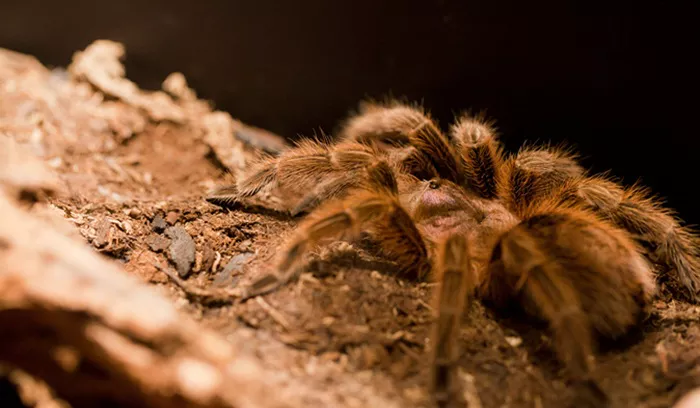
Imagine you’re bringing home an exotic creature—one with soft pink and reddish hues that sparkle under the light. A Chilean Rose Tarantula (Grammostola rosea), often called the Rose Hair Tarantula, is one of the most popular tarantulas to keep as a pet. With their calm temperament and striking appearance, they’re an ideal choice for beginner spider enthusiasts.
But how do you create the perfect home for such a fascinating creature? The Chilean Rose Tarantula has specific tank setup requirements that mimic its natural habitat in the deserts of Chile, Argentina, and Bolivia. While it might sound tricky at first, the process is actually quite simple once you break it down.
In this article, we’ll guide you through the essentials of setting up a tank for your Chilean Rose Tarantula, ensuring it’s comfortable, safe, and healthy. Whether you’re a first-time tarantula owner or a seasoned enthusiast, this guide will help you create the perfect home for your eight-legged friend. Ready to dive in? Let’s go!
1. Tank Size and Type: Picking the Right Home
When it comes to size, bigger isn’t always better. For a Chilean Rose Tarantula, a tank that’s at least 10 to 20 gallons is ideal. To put this into perspective, think of it like buying a small apartment for your pet. A 10-gallon tank is the minimum size, but if you plan on keeping your tarantula for a long time, a larger tank provides more room for it to roam. You want to give your tarantula the space it needs without overwhelming it. While a larger tank can provide more room for your spider, it’s important not to overcrowd the environment with too many decorations or objects, as your tarantula needs its own space to move freely.
Most people choose glass tanks for their Chilean Rose Tarantulas because glass provides excellent visibility, making it easy to admire your pet. Plastic tanks can work too, but glass generally gives a clearer, sturdier structure. You’ll also want a tank with a secure lid—tarantulas are skilled escape artists! A secure lid is crucial to keeping your pet safe and contained. If you’re not careful, you might find your spider hanging out on top of the lid instead of in its home.
With a 10 to 20 gallon glass tank and a secure lid, you’ll have the perfect base for your Chilean Rose Tarantula to live comfortably.
2. Substrate: Creating a Safe and Comfortable Ground
Think of the substrate as the “flooring” of your tarantula’s home. This is where your spider will spend most of its time, whether it’s burrowing, hiding, or resting. Just like you wouldn’t want to live on hard floors all day, your spider needs a comfortable space to move around.
Chilean Rose Tarantulas prefer dry, sandy environments, so you’ll want a substrate that mimics this. Coconut fiber is the most common choice as it’s affordable, absorbent, and easy to maintain. You can mix it with some peat moss to create a balanced substrate that retains just the right amount of moisture without becoming too wet. If you want to go for something more natural, sandy soil is another option. It will help create that desert-like environment your spider thrives in.
The substrate should be about 3 to 4 inches deep. This depth allows your tarantula to dig and create its own burrow, which is essential for its well-being. Think of it like giving your spider its own little apartment underground, where it can feel safe and secure.
See ALso: A Beginner’s Guide to Rose Hair Tarantulas
3. Temperature and Humidity: Keeping It Just Right
Now, let’s talk about the temperature and humidity of your tarantula’s home. Just like we need a certain climate to feel comfortable, your Chilean Rose Tarantula has specific environmental needs to stay healthy.
Chilean Rose Tarantulas thrive in warm temperatures between 75°F and 85°F (24°C-29°C). It’s not too hot, but just the right temperature for your tarantula to stay active without feeling stressed. You can achieve this by using an under-tank heat mat or a ceramic heat emitter, which provides a gentle, consistent heat. Place these on one side of the tank to create a slight temperature gradient, allowing your spider to choose whether it wants to hang out in the warmer or cooler side of the tank.
When it comes to humidity, Chilean Rose Tarantulas need a relatively dry environment. The ideal humidity level is around 50% to 60%. Too much humidity can cause mold and other issues, while too little can lead to dehydration. To maintain this balance, you can lightly mist one side of the tank to increase humidity slightly, but always make sure not to overdo it.
To help monitor the temperature and humidity, it’s a good idea to invest in a hygrometer for the humidity and a thermometer for the temperature. These simple tools will help ensure your tarantula’s home is just the right climate.
4. Tank Decoration: Adding Hideouts and Climbing Space
Chilean Rose Tarantulas love to hide, and providing them with a few cozy hideouts makes them feel safe in their environment. This is an essential part of setting up their tank, as it allows them to act naturally and retreat when they feel threatened.
You can create hideouts using materials like cork bark, which makes an excellent natural hide. You can also use clay pots by placing them on their side, which creates a burrow-like environment. Plastic plants can also be added for some greenery, giving your spider an extra place to climb and spin silk. These decorations mimic the environment in which tarantulas are used to living in the wild—full of hiding spots and safe places to retreat.
While Chilean Rose Tarantulas aren’t avid climbers, they enjoy occasional climbing, so adding some branches or rocks to the tank will give them a bit of variety. Just don’t over-clutter the space—your tarantula needs room to roam and explore. Too many items can make the tank feel cramped, which may stress your spider.
With the right mix of hiding spots and climbing opportunities, your tarantula will feel at home, secure in its environment and free to explore at its own pace.
5. Feeding Your Chilean Rose Tarantula
A well-fed Chilean Rose Tarantula is a happy one! These spiders are opportunistic feeders, so they don’t require constant feeding. Instead, you’ll need to provide them with a nutritious diet of crickets, mealworms, and locusts.
Feed your tarantula every 7-10 days, depending on its age. Baby tarantulas, or “slings,” eat more frequently than adults. Don’t worry about overfeeding—tarantulas can go for weeks without eating if they’re not hungry. In fact, fasting is sometimes a sign that a tarantula is preparing for its next molt (shedding its exoskeleton). However, it’s essential to remove any uneaten food from the tank within 24 hours to avoid it rotting and affecting the environment.
It’s also important to note that your tarantula should be fed gut-loaded crickets or other insects, meaning the insects are fed nutritious food before they are fed to your tarantula. This helps ensure that your spider gets the best nutrients possible.
Conclusion
Setting up the perfect tank for your Chilean Rose Tarantula may seem like a lot of work at first, but once you break it down, it’s quite simple. By following these basic guidelines—choosing the right tank size, creating a comfortable substrate, managing the temperature and humidity, and adding decorations for hiding and climbing—you’ll provide a healthy and secure home for your pet.
Remember, the key to keeping your Chilean Rose Tarantula happy is creating an environment that mimics its natural habitat. By doing this, your spider will not only survive but thrive, giving you the chance to enjoy watching its fascinating behavior for years to come.
Related topics: