
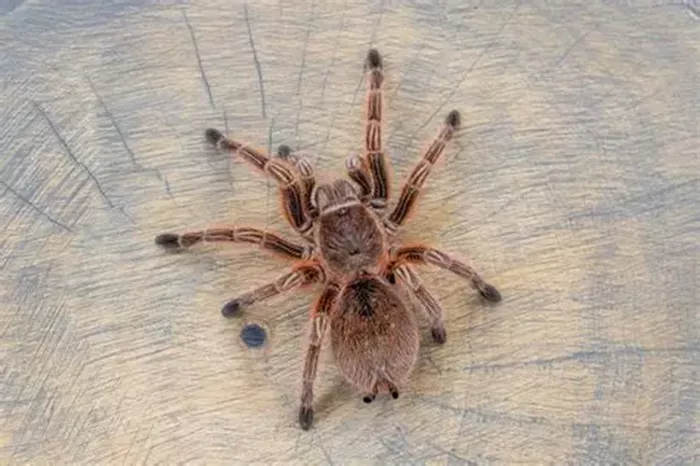
The Chilean rose tarantula (scientific name: Grammostola rosea), commonly known as the rose hair tarantula, is one of the most popular tarantula species kept as a pet. If you’re an arachnid enthusiast or even someone just starting to learn about spiders, this species has probably caught your attention. With its distinctive pinkish-red hair and relatively docile nature, the Chilean rose is one of the most sought-after spiders in the pet trade.
But did you know that there’s much more to this fascinating creature than its striking appearance? In this article, we’ll take an in-depth look at some of the most interesting facts about the Chilean rose tarantula, from its natural habitat and diet to its unique defense mechanisms and role in the pet trade. Let’s dive in!
Introduction: The Chilean Rose Tarantula – A Spider Like No Other
The Chilean rose tarantula is native to parts of South America, specifically northern Chile, Bolivia, and Argentina. Known for its impressive lifespan, varied diet, and relatively calm temperament, this spider has gained a massive following among pet owners and hobbyists alike. But don’t let its calm nature fool you! Despite being a relatively low-maintenance pet, the Chilean rose tarantula possesses a fascinating array of behaviors and characteristics that make it truly unique.
This article will provide you with all the facts you need to understand the Chilean rose tarantula, whether you’re a curious beginner or an experienced tarantula keeper. From the spider’s habitat to its defensive mechanisms, we’ve got you covered. So, buckle up for a thrilling journey into the world of this incredible arachnid!
Native Habitat: Where Does the Chilean Rose Tarantula Live?
The Chilean rose tarantula is found in the high desert and scrub regions of northern Chile, Argentina, and Bolivia. These areas are known for their dry conditions, sparse vegetation, and varying altitudes. Interestingly, the Chilean rose tarantula typically inhabits altitudes ranging from sea level up to 1,500 meters (about 4,921 feet). This habitat is a perfect fit for the tarantula’s burrowing lifestyle, providing the spider with both shelter and a safe environment in which to hunt.
A Changing Environment
Unfortunately, the tarantula’s natural habitat has been disturbed by human activity, industrialization, and urbanization. As a result, habitat loss has become a significant concern for the species. However, it’s important to note that despite these threats, the Chilean rose tarantula is not considered endangered and does not have a designated conservation status. Still, it is always crucial to consider how human activity impacts the survival of these incredible creatures in the wild.
The Burrowing Behavior
Chilean rose tarantulas are solitary creatures, spending most of their lives inside their burrows. These burrows, which they often dig themselves or take over from other animals, can be quite deep, reaching up to 40 cm (about 15.7 inches). They use these burrows to hide from predators, hunt for food, and avoid extreme weather conditions. The burrow entrances are typically located beneath rocks or dense vegetation, providing additional camouflage.
What Do Chilean Rose Tarantulas Eat? Understanding Their Diet
When it comes to food, Chilean rose tarantulas are not picky eaters. They have a diverse diet, feeding on a range of insects and small animals. Their diet typically includes:
Crickets
Beetles
Caterpillars
Cockroaches
Grasshoppers
Mealworms
Small lizards and rodents
As pets, they can be fed on pre-fed crickets that have consumed fresh vegetables, making them a nutritious and hydrated option. This type of diet is essential for the tarantula’s well-being. When they are not hungry, they are known to fast for weeks or even months.
Feeding Patterns and Special Needs
Unlike some other spiders, the Chilean rose tarantula can go for extended periods without food. If you’ve ever wondered why your pet tarantula hasn’t eaten in a while, don’t be alarmed. This fasting behavior can be attributed to their slow metabolism and periodic molting cycles. The tarantula’s metabolism allows it to conserve energy, which can be crucial in the wild when prey might be scarce.
The Reproductive Journey: How Do Chilean Rose Tarantulas Mate?
Reproduction in the Chilean rose tarantula is as fascinating as the spider itself. Mating seasons occur twice a year, typically from September through March and May through July.
Mating Rituals: A Dance of Caution
Mating begins when the male tarantula reaches sexual maturity after several molts, typically around the age of 3–4 years. Once mature, the male constructs a sperm web to collect sperm, which he later stores in his pedipalps (the appendages near the spider’s mouth). The male will then venture out of his burrow, using his tibial hooks to grasp the female, which is often larger and more dominant.
The mating ritual involves some delicate steps. The male taps on the female’s burrow with his legs to signal his presence. Upon her acceptance, the male approaches the female and uses his front legs to hold her in place while he mates with her. After mating, the female will lay 50–200 eggs, depending on the circumstances.
Post-Reproduction Behavior
The female Chilean rose tarantula can lay several egg sacs during her lifetime, but after reproduction, the male will die within a few months. This tragic end is common among many tarantula species, but it plays a key role in the natural cycle of life for these fascinating creatures.
Defense Mechanisms: How Do Chilean Rose Tarantulas Protect Themselves?
Like many other tarantulas, the Chilean rose has developed several defense mechanisms to protect itself from predators. These mechanisms are adaptive survival strategies that have been honed over millions of years.
Urticating Hairs: A Spiny Surprise
The most well-known defense mechanism of the Chilean rose tarantula is its ability to release urticating hairs from its abdomen. These hairs are tiny, spiny structures that the spider can flick off using its back legs. When the hairs come into contact with a predator or threat, they cause irritation, itching, and sometimes even a rash. These hairs can also be released into the air when the tarantula feels threatened, making it difficult for predators to get too close.
Venom: A Second Line of Defense
While the Chilean rose tarantula’s venom is not particularly dangerous to humans, it still plays a vital role in its defense strategy. The venom contains neurotoxins that affect the nervous system and hemotoxins that interfere with the circulatory system. While the venom is primarily used for prey immobilization, it also acts as a deterrent to potential threats.
Conclusion
The Chilean rose tarantula is a fascinating creature that offers a lot of insight into the behavior and survival strategies of spiders. Whether you’re fascinated by its burrowing habits, its role in the ecosystem, or its incredible defense mechanisms, there’s no doubt that the Chilean rose tarantula is a species worth learning about.
As a pet, it provides an excellent introduction to the world of tarantulas, thanks to its manageable size and relatively docile temperament. However, like any pet, it still requires a bit of care and attention. From its impressive lifespan to its low-maintenance nature, this spider is one-of-a-kind.
Related topics: