
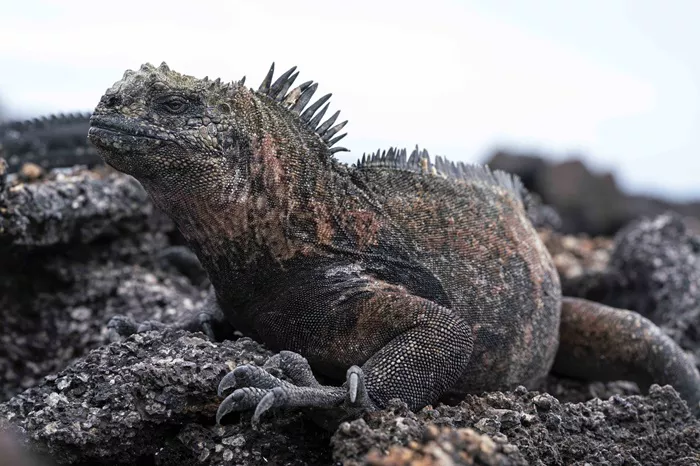
Imagine a reptile that lives by the sea, dives underwater, and feeds on algae growing on the ocean floor. Sounds like a creature from a fantasy, right? But the Galapagos Marine Iguana is exactly that—a remarkable reptile that defies many expectations of what a lizard can do. How does this iguana manage to live both on land and in the ocean? Why is it found nowhere else in the world? Let’s dive deep into the fascinating life of the Galapagos Marine Iguana and uncover its secrets.
What Makes the Galapagos Marine Iguana So Special?
When you think of iguanas, you might picture green or brown lizards basking lazily on tree branches in the jungle. But the Galapagos Marine Iguana breaks this mold by living mostly along rocky shores and diving into the sea to eat underwater plants. It is the only sea-going lizard in the world, making it a true evolutionary wonder.
What’s even more amazing is that it evolved this marine lifestyle only in the Galapagos Islands, a group of volcanic islands about 1,000 kilometers off the coast of Ecuador. These isolated islands provided the perfect laboratory for evolution to experiment. The marine iguana adapted to its unique environment by developing special traits that allow it to thrive where no other lizard can.
Origins and Evolution: How Did It Come to Be?
Scientists believe that the ancestors of marine iguanas arrived on the Galapagos Islands millions of years ago. They likely swam or drifted from the mainland of South America. Once on the islands, they faced a different environment—no large trees, lots of volcanic rocks, and the vast ocean right at their doorstep.
With limited food options on land, these iguanas started to explore underwater plants, particularly algae. Over generations, natural selection favored iguanas that could swim and dive better, hold their breath longer, and digest salty algae. This gradual adaptation created the marine iguana we know today.
Think of it like a survival challenge game—only those who mastered the sea environment thrived and passed on their genes.
Physical Features: Built for the Sea and Shore
When you first see a marine iguana, you might notice its dark, rough skin and blunt snout. These features are not just random; they serve important purposes:
Dark Coloration: Their black or dark gray skin helps absorb heat quickly from the sun. Since they dive into cold ocean water, they need to warm up fast when back on land, like a solar-powered heater.
Flattened Tail: Their tail is laterally flattened (side to side), acting like a paddle that propels them through the water efficiently.
Strong Claws: Marine iguanas have sharp claws that help them cling to slippery volcanic rocks, especially when waves crash around them.
Salt Glands: Living in the salty ocean means they swallow a lot of salt. To get rid of excess salt, they have special glands near their noses that sneeze out salty mucus—a behavior you might have seen if you ever watched videos of them “sneezing” salt spray.
These features make the marine iguana perfectly suited for both its rocky island habitat and underwater foraging.
How Does the Marine Iguana Swim and Dive?
You might wonder: How long can a lizard stay underwater? The marine iguana can dive up to 30 feet (10 meters) deep and stay submerged for about 5 to 10 minutes at a time. That’s impressive for a reptile!
They swim mostly by moving their flattened tails side to side, just like a fish uses its tail fin. Unlike sea turtles or marine mammals, marine iguanas don’t have flippers, so their swimming style looks like an elegant, lizard-style paddle.
While underwater, they graze on algae growing on submerged rocks. They have sharp teeth that help scrape off tough algae, which form their main diet.
The Importance of Algae: What Do They Eat?
Unlike many land lizards that eat insects, fruits, or leaves, marine iguanas are mostly herbivores. Their main food source is marine algae, which they scrape off rocks during their underwater feeding sessions.
This diet is rich in nutrients but also has a high salt content. Because algae are often tough and hard to digest, marine iguanas have a specialized digestive system with long intestines to extract maximum nutrition.
Sometimes, food can be scarce, especially during El Niño years when ocean temperatures rise and algae growth slows down. During these times, the iguanas might lose weight and become weaker, showing how closely their survival is tied to ocean health.
Unique Adaptations to Salt and Cold
Living in the ocean means two major challenges for a reptile: dealing with salt and cold water.
Salt Management: Marine iguanas ingest salt from seawater and algae. They don’t sweat like humans, so they excrete salt through those specialized nasal glands mentioned earlier. You might even see them “sneeze” salt crystals, clearing their bodies of excess salt.
Cold Water: The Galapagos Islands are near the equator, but the ocean is cooled by a current called the Humboldt Current, which brings cold water from Antarctica. To survive, marine iguanas bask in the sun on rocks before and after their dives to warm up their bodies.
You can think of their sunbathing like your own need for a warm blanket after getting out of a cold pool.
Social Behavior: More Than Just Loner Lizards
Marine iguanas are quite social animals. They often gather in large groups to bask on rocks, which helps them share warmth and reduces their risk of predation.
During the breeding season, males become territorial and compete fiercely for mates. They display bright red and green colors and engage in head bobbing and pushing contests to establish dominance.
Interestingly, females lay their eggs in sandy nests dug in volcanic soil. Once hatched, baby iguanas face many dangers from predators like hawks and snakes, so survival rates can be low.
Threats and Conservation: Why Should You Care?
Despite their fascinating adaptations, marine iguanas face serious threats. Their limited range makes them vulnerable to environmental changes, introduced predators, and human impacts.
Invasive Species: Animals like rats, cats, and dogs brought by humans prey on iguanas and their eggs.
Climate Change: Rising ocean temperatures can reduce algae growth, starving the iguanas.
Pollution: Oil spills and plastic waste can harm their fragile coastal habitats.
Conservation efforts on the Galapagos Islands focus on protecting marine iguanas through habitat preservation, controlling invasive species, and monitoring populations. Since they are a symbol of the islands’ unique biodiversity, preserving them helps protect the whole ecosystem.
Fascinating Facts You Might Not Know
−Marine iguanas can shrink their bodies slightly during tough times to reduce their energy needs—a survival trick called “adaptive shrinkage.”
−Their blood has a higher concentration of red blood cells than other iguanas, allowing more oxygen storage during long dives.
−Some marine iguanas live in the same colonies for decades, showing strong site fidelity.
How You Can Help Protect the Galapagos Marine Iguana
If you’re inspired by these amazing creatures, there are ways you can contribute:
−TSupport organizations working to preserve the Galapagos Islands.
−TAvoid products that harm marine environments, like single-use plastics.
−TWhen visiting the islands, follow strict guidelines to minimize your impact.
Remember, every small action counts in protecting these unique lizards for future generations.
Conclusion
The Galapagos Marine Iguana is truly one of nature’s marvels. Its unique adaptations allow it to thrive in a harsh, ever-changing environment where few others can survive. From swimming and feeding underwater to sneezing out salt and warming up on volcanic rocks, this iguana is a living testament to evolution’s creativity.
Next time you hear about the Galapagos Islands, think about these remarkable lizards that live between land and sea, and the delicate balance they maintain in their extraordinary world. Don’t miss the chance to learn more and help protect their home!
Related topics: