
Have you ever wondered how long it takes for painted turtle eggs to hatch? If you’re a turtle enthusiast or just curious about these beautiful reptiles, you’re in the right place! Understanding the incubation time of painted turtle eggs is crucial if you want to care for them properly or simply marvel at nature’s timing.
In this article, I’ll take you through everything you need to know about painted turtle egg incubation—how long it takes, what affects it, and what happens during this fascinating period. Ready? Let’s dive right in!
What Are Painted Turtles?
Before we get into the eggs, let’s briefly talk about the stars of the show: painted turtles. These turtles are a common sight across North America. They’re named for their colorful markings—bright yellow stripes on their legs and neck, and red or orange markings on their shells.
Painted turtles love freshwater habitats like ponds, lakes, and slow-moving rivers. If you’ve ever spotted one sunbathing on a log or swimming in the water, you’ve seen one of nature’s tiny jewels.
The Journey Begins: From Egg to Hatchling
Painted turtles reproduce by laying eggs on land. After the female turtle lays her eggs, they must incubate—meaning they develop inside the egg until the baby turtle is ready to hatch. But how long does this incubation take? And what influences it?
The simple answer is: painted turtle eggs typically take about 60 to 90 days to hatch. However, this range depends on several important factors that affect the embryo’s growth inside the egg.
Why Does Incubation Time Vary?
Imagine you’re baking cookies. Depending on your oven temperature, the baking time changes, right? The same idea applies to turtle eggs.
The main factor influencing incubation time is temperature. Warmer temperatures generally speed up development, while cooler temperatures slow it down.
−If the temperature is around 85°F (29°C), eggs might hatch closer to 60 days.
−At cooler temperatures around 70°F (21°C), it could take closer to 90 days or even longer.
This temperature sensitivity is critical. Mother turtles usually choose nesting spots with the right conditions, but when humans incubate eggs artificially, temperature control becomes crucial.
Temperature and Gender: A Unique Twist
Here’s a fascinating fact: painted turtles’ gender is determined by the incubation temperature! This is called temperature-dependent sex determination.
−Warmer incubation temperatures usually produce more females.
−Cooler temperatures tend to result in males.
This means the incubation period isn’t just about timing but also about influencing the baby turtles’ gender balance in the wild. It’s a delicate natural mechanism that balances the population.
What Happens During Incubation?
During incubation, the embryo grows by absorbing nutrients from the yolk inside the egg. The egg’s shell protects it but allows some gas exchange — oxygen gets in, and carbon dioxide goes out. This is important because the embryo breathes, just like we do.
The embryo develops over weeks, forming its shell, limbs, organs, and eventually its recognizable turtle shape. You won’t see much happening outside, but inside the egg, it’s a busy time of growth and change.
Signs That Hatching Is Near
When the incubation period is almost over, the baby turtles start to get active inside the eggs. They will begin to move and make little noises—yes, turtle eggs can actually produce faint sounds!
You might notice:
−Slight swelling or shifting of the eggs.
−Tiny cracks on the shell as the baby turtle starts breaking out.
−Increased movement inside the egg, often called “pipping.”
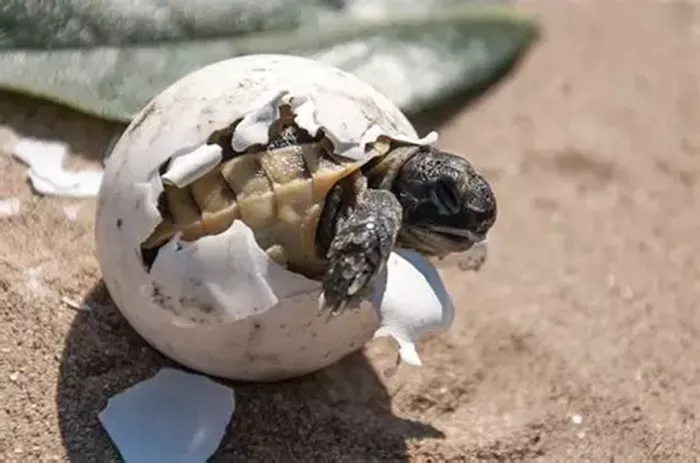
Once the baby turtle breaks through the shell, it’s called hatching. This process can take hours or even a day or two as the hatchling carefully frees itself.
How to Care for Painted Turtle Eggs
If you’re lucky enough to care for painted turtle eggs, here are some tips to help ensure successful hatching:
Maintain consistent temperature. Use an incubator with a reliable thermostat to keep temperature steady.
Provide proper humidity. Eggs need a slightly moist environment to avoid drying out but not too wet to cause mold.
Avoid shaking or turning eggs too much. The embryo can be damaged if the egg is disturbed after the initial laying.
Keep an eye on ventilation. Good airflow prevents fungal growth and ensures the embryo breathes well.
If you follow these guidelines, you’ll increase the chance that those eggs hatch into healthy baby turtles.
Challenges and Risks During Incubation
Just like human pregnancies, turtle eggs face risks too:
−Temperature extremes can kill the embryo.
−Predators such as raccoons or birds may dig up nests.
−Flooding or drought can ruin the eggs.
−Fungal or bacterial infections can develop if the nest is too moist or contaminated.
These challenges make the successful hatching of painted turtles a remarkable natural achievement.
How Long After Hatching Do Baby Painted Turtles Emerge?
Here’s something surprising: even after breaking out of the egg, baby painted turtles sometimes wait before digging out of the nest. They might stay underground for days or weeks, especially if weather conditions outside aren’t favorable.
This waiting strategy helps them avoid predators and harsh weather. Once conditions improve, they dig out and begin their adventurous life in the water.
Fun Fact: The Hatchlings’ First Steps
When baby painted turtles finally emerge, they face many dangers. They must find their way to water, avoid predators, and start eating on their own.
Watching a hatchling make its journey to the pond is like witnessing a tiny hero’s epic adventure. Each step is critical for survival, and their instinctive behaviors are finely tuned for this moment.
Real-Life Data: Incubation in the Wild vs. Captivity
Studies show that in the wild, incubation times can be highly variable due to changing weather and environmental factors. One field study reported painted turtle eggs taking anywhere from 55 to 100 days to hatch depending on location and season.
In captivity, with controlled temperature and humidity, incubation times tend to be more predictable, often between 60 and 75 days.
What You Should Know as a Turtle Keeper
If you’re caring for painted turtles or their eggs, patience is key. It’s natural to be eager to see hatchlings, but rushing or disturbing the eggs can do more harm than good.
Keep a log of incubation conditions — temperature, humidity, and time — so you can learn what works best. Each clutch of eggs can be slightly different, so experience helps.
Unlock the Mystery of Painted Turtle Eggs!
Understanding how long painted turtle eggs take to hatch isn’t just a matter of days and numbers. It’s a fascinating look into nature’s delicate balance, how temperature shapes life, and how these little reptiles bring new generations to life against many odds.
If you’re interested in turtles or wildlife in general, watching or caring for painted turtle eggs can be an amazing, rewarding experience.
Conclusion
So, how long for painted turtle eggs to hatch? Typically, it takes between 60 and 90 days, but temperature and environment play starring roles in this timeline. Warmth accelerates development, while cooler conditions slow it down and influence the gender of the hatchlings.
Whether in the wild or captivity, this incubation period is a vital phase where new life forms in the safety of a fragile shell. If you’re nurturing these eggs, remember that steady temperature, proper humidity, and patience are your best friends.
Next time you spot a painted turtle basking in the sun, remember the incredible journey it took to hatch — and you might just appreciate these little reptiles a bit more.
Related topics: