
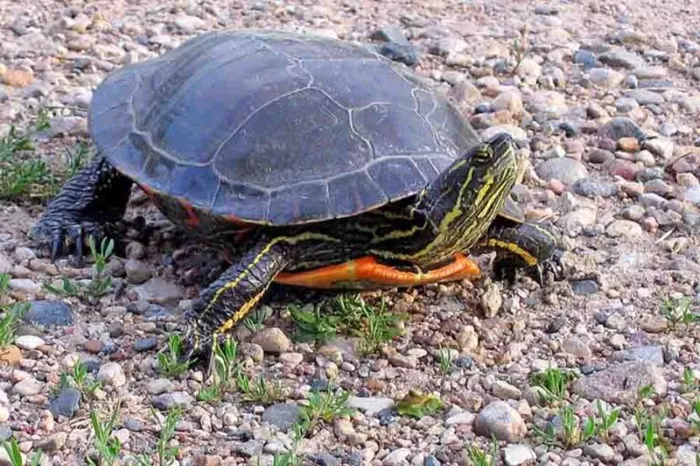
Painted turtles are among the most popular pet turtles in North America. Their colorful shells and gentle nature make them ideal for turtle enthusiasts of all ages. But before you decide to bring one home, it’s essential to know where to find a healthy, ethically sourced painted turtle near your location. This article will guide you through everything you need to know about buying a painted turtle, including trusted places, the buying process, legal considerations, and how to ensure your turtle’s long-term well-being.
Understanding the Painted Turtle
The painted turtle (Chrysemys picta) is a freshwater species native to North America. It is known for its smooth, dark carapace with red and yellow markings along the edges. These turtles are often seen basking on logs or rocks near ponds and rivers. Painted turtles are resilient and adaptable, making them suitable for captivity if their needs are met.
There are four subspecies:
Eastern Painted Turtle
Midland Painted Turtle
Southern Painted Turtle
Western Painted Turtle
All are similar in care and behavior but differ slightly in coloration and distribution.
Why Choose a Painted Turtle as a Pet?
Before buying a painted turtle, you should understand why they make good pets. Painted turtles are quiet, relatively easy to care for, and have long lifespans—often 20 years or more in captivity. They are active during the day and enjoy basking under heat lamps, swimming, and occasionally interacting with their human caretakers.
Although they are not as cuddly as a dog or cat, they do form routines and can recognize their owners over time. With proper care, a painted turtle can provide decades of companionship.
Legal and Ethical Considerations
Check State and Local Laws
Before purchasing a painted turtle, you need to check your local wildlife regulations. In the United States, the sale of turtles under 4 inches in shell length is prohibited by the Food and Drug Administration (FDA) due to health risks, primarily salmonella. Some states also have specific regulations about keeping native turtle species.
You must also ensure that the turtle is captive-bred, not wild-caught. Removing turtles from the wild can harm local ecosystems and is illegal in many regions.
Buy from Reputable Sources
When buying a painted turtle, choose a source that follows ethical breeding and care practices. Avoid buying from vendors who cannot verify the origin or health of their turtles. A good seller will provide documentation, allow you to inspect the turtle, and offer guidance on care.
Where Can You Buy a Painted Turtle Near You?
If you’ve done your research and decided to proceed, the next step is finding a reputable place to buy your painted turtle. Here’s a breakdown of various sources, what to expect, and how to determine their quality.
1. Local Pet Stores
Most chain pet stores do not sell painted turtles due to legal complexities, but some local or independently owned pet stores may carry them.
Pros:
−Physical inspection before purchase
−May provide starter kits and supplies
−Staff can offer guidance
Cons:
−Limited turtle care knowledge in some stores
−Potential risk of poor breeding or health
−Marked-up prices
How to Find:
Use Google Maps or Yelp to search “painted turtle for sale near me.” Look at re
2. Reptile Expos and Shows
Reptile expos bring together breeders, enthusiasts, and vendors. These events are excellent places to find healthy, captive-bred painted turtles.
Pros:
−Wide selection from multiple vendors
−Direct communication with breeders
−Can compare prices and health conditions
Cons:
−May be seasonal or infrequent
−Large crowds and noisy environments
−Travel may be required
Finding Expos:
Search online for “reptile expo near me” or check event platforms. Most expos have schedules and vendor lists posted in advance.
3. Online Breeders and Turtle Farms
Online turtle breeders often ship turtles across the country. While this may seem impersonal, many breeders offer excellent care and transparency.
Pros:
−Access to a wide range of turtle subspecies
−Detailed health and origin records
−Professional packaging and overnight shipping
Cons:
−Cannot inspect the turtle before purchase
−Shipping fees and risks
−State laws may restrict transport
Trusted Breeders:
Look for breeders with positive online reviews, active websites, and USDA licenses. Some well-known examples include:
−The Turtle Source
−My Turtle Store
−Backwater Reptiles
(Always confirm legal import restrictions to your state before ordering.)
4. Animal Rescue Centers
Some turtle rescue centers rehome unwanted or surrendered turtles. Adopting a turtle from a rescue not only gives a turtle a second chance but also helps reduce the need for commercial breeding.
Pros:
−Ethical and eco-conscious
−Lower or no adoption fee
−Often includes care advice
Cons:
−Limited availability
−May not be hatchlings
−Some may have special needs
Finding a Rescue:
Search “reptile rescue near me” or check directories like Petfinder or Adopt-a-Pet. Many rescues require an application and photos of your setup.
5. Classified Ads and Local Forums
Websites like Craigslist or Facebook Marketplace often list painted turtles for sale by private owners. While it is possible to find a healthy turtle this way, caution is necessary.
Pros:
−Lower cost
−Local pickup—no shipping
−Can negotiate or adopt for free
Cons:
−Risk of misinformation or poor conditions
−Limited health guarantees
−Not all sellers are knowledgeable
Safety Tips:
−Ask for photos of the turtle and its current enclosure
−Meet in a public space
−Never pay in advance unless verified
How to Choose a Healthy Painted Turtle
When selecting a painted turtle, observe the following signs of good health:
−Clear eyes and nostrils (no discharge)
−Smooth, unbroken shell
−Active swimming and responsive to movement
−No visible injuries or deformities
−Clean and alert appearance
Avoid turtles that appear lethargic, have swollen eyes, or show signs of shell rot.
What Should You Ask the Seller?
Before purchasing, ask the following:
−Was this turtle captive-bred or wild-caught?
−What is the turtle’s age and size?
−What diet has it been eating?
−What is the recommended enclosure setup?
−Do you provide any health guarantees or return policy?
Responsible sellers will be happy to answer these questions and provide documents if necessary.
Preparing for Your Painted Turtle
Before bringing your turtle home, ensure you have a suitable habitat ready. Painted turtles need:
−A spacious tank (at least 40 gallons for juveniles)
−A water filtration system
−Basking area with a UVB lamp and heat source
−Proper diet including commercial turtle pellets, leafy greens, and occasional insects or fish
It’s also wise to schedule a vet checkup within the first few weeks, especially if the turtle shows any signs of stress or illness.
Costs Involved in Buying a Painted Turtle
A painted turtle typically costs between $20 and $80, depending on age, color morph, and breeder. But the turtle itself is only a fraction of the total cost.
Initial Setup Costs:
−Aquarium and stand: $150–$300
−Water heater and filter: $50–$100
−Basking lamp and UVB light: $30–$70
−Substrate and decorations: $20–$50
−Food and vitamins: $10–$20
Recurring Costs:
−Food and supplements
−Replacement bulbs
−Filter media
−Occasional vet visits
Transporting Your Turtle Safely
If you’re picking up your turtle in person, prepare a small travel container with a soft cloth or paper towels. Avoid using water during transport. Keep the turtle warm, and limit travel time. Do not expose the turtle to direct sunlight or cold temperatures.
Settling In at Home
When you first bring your turtle home, give it time to adjust. Avoid handling for the first few days. Let it explore the enclosure, establish a basking routine, and begin eating.
It is normal for a new turtle to avoid food for the first 24–48 hours. Offer a familiar diet, maintain clean water, and keep the basking area warm.
Final Thoughts
Finding a painted turtle near you requires time, research, and careful planning. Whether you choose a local store, breeder, rescue, or online vendor, the most important thing is to ensure your new pet is healthy, legally acquired, and ethically sourced.
Painted turtles can become lifelong companions with the proper environment and care. By starting your journey with informed decisions, you set the stage for a happy and healthy turtle-keeping experience.
Related topics: