
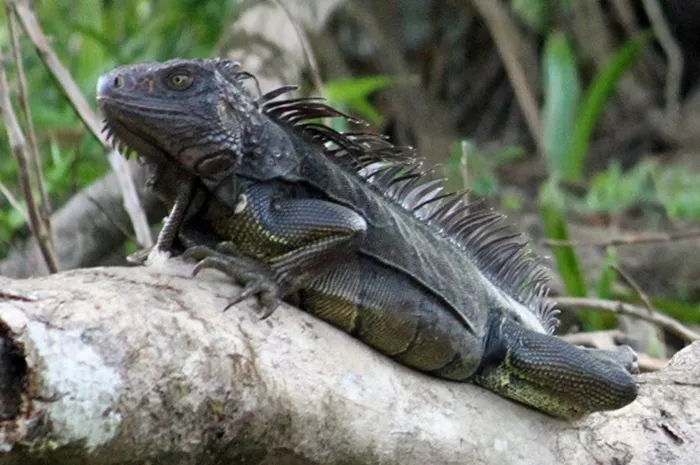
Iguanas are fascinating creatures known for their vibrant green skin, strong build, and unique behaviors. However, many iguana owners and enthusiasts have observed that at times, these reptiles can turn black. This sudden color change can be puzzling, raising questions about its cause and whether it is a sign of something serious. In this article, we will explore why iguanas might turn black, what it means for their health, and how owners should respond. By understanding these factors, you can better care for your iguana and ensure its well-being.
Why Do Iguanas Change Color?
Iguanas, like many reptiles, are capable of changing their color due to several factors. While they do not change colors as drastically as some chameleons, they can display variations in their skin tone based on environmental or physical conditions.
Iguanas’ ability to alter their color primarily comes from the unique structure of their skin, which contains pigment-producing cells known as chromatophores. These cells can produce and reflect different pigments, which affect the color of the iguana’s skin.
Iguanas can change their color due to:
Environmental Factors: Temperature, light, and humidity levels can cause color shifts.
Emotional Reactions: Stress, aggression, or mating behaviors can lead to noticeable color changes.
Health Conditions: Illness, dehydration, or injury may also result in color shifts, including turning black.
Understanding these factors helps in identifying the reasons behind an iguana’s color changes and whether they are harmless or indicative of a problem.
Can Iguanas Really Turn Black?
Yes, iguanas can turn black under certain circumstances. However, the black coloration is usually not permanent and often signifies a response to stress, environmental conditions, or health issues.
Stress: When iguanas feel threatened or stressed, they may darken in color. This is often a defensive mechanism. If an iguana is in an unfamiliar environment or feels uncomfortable, it may appear darker as a way of blending in or protecting itself.
Temperature Regulation: Iguanas are ectothermic (cold-blooded), meaning they rely on external heat sources to regulate their body temperature. If the environment is too cold, iguanas may turn darker to absorb more heat. In some cases, this can cause them to appear nearly black.
Breeding Season: During the mating season, male iguanas often display more vibrant colors. However, in some cases, they might appear darker as a sign of aggression or dominance.
Health Concerns Linked to Blackening in Iguanas
If an iguana turns black unexpectedly and the color change lasts for an extended period, it could be a sign of a health issue. Common health concerns that may cause an iguana to darken include:
Dehydration: A dehydrated iguana might turn dark as it struggles to retain moisture. Dehydration can result from a lack of water, insufficient humidity, or underlying medical conditions.
Metabolic Bone Disease (MBD): This is a common issue among iguanas, especially those kept in captivity. A lack of calcium and UVB light can cause a range of health issues, including changes in skin color.
Infections or Illness: If an iguana is sick or suffering from an infection, it might exhibit darker skin. A blackened appearance can be a sign that the reptile is fighting off a disease or has been injured.
Thermal Burns: Inadequate heating in their environment can lead to burns, which might cause the skin to darken. If an iguana has been exposed to too much heat or has sustained an injury from a heating source, its skin may turn black as a result of tissue damage.
How to Care for an Iguana That Turns Black
If your iguana has started to turn black, it’s important to determine the cause. Here are steps to ensure your pet’s health:
Check the Environment: Make sure the temperature, humidity, and lighting are appropriate for your iguana. Iguanas require specific heat levels and UVB light for healthy skin and metabolism.
Hydration: Ensure your iguana has access to clean, fresh water at all times. Dehydration is a common cause of skin changes.
Monitor for Signs of Illness: Look for other symptoms such as lethargy, loss of appetite, or abnormal behavior. These could indicate an underlying illness that requires veterinary attention.
Consult a Veterinarian: If the color change persists or if other health symptoms appear, take your iguana to a reptile vet. They can run tests to diagnose conditions like metabolic bone disease or infections.
Common Misconceptions About Iguanas Turning Black
There are many myths about why iguanas turn black, and it’s important to separate fact from fiction:
Myth 1: Iguanas Turn Black When Angry
While iguanas can darken when stressed, it’s not necessarily linked to anger alone. Environmental stressors, such as changes in habitat or insufficient heat, are more common causes.
Myth 2: Black Iguanas Are Sick
Not every iguana that turns black is sick. In some cases, it’s a natural response to changes in their environment or mood.
Myth 3: Black Color Is Always a Sign of Death
While extreme darkening can indicate health issues, it’s not always a death sentence. Many iguanas recover after environmental factors are corrected or illnesses are treated.
Preventing Blackening in Iguanas
To prevent your iguana from turning black due to stress or health concerns, you can implement these preventive measures:
Proper Lighting and Heating: Ensure your iguana has access to proper UVB lighting and temperature gradients to maintain its health and regulate its body temperature.
Stress Reduction: Try to minimize stress by providing a stable environment. Avoid sudden changes in their habitat and ensure they feel safe and secure.
Regular Veterinary Care: Keep your iguana healthy with routine checkups, especially if it’s in captivity. Early detection of any underlying health issues can prevent more serious problems down the road.
Conclusion
Iguanas are remarkable animals that can display a range of colors depending on their environment, emotions, and health. While it’s normal for iguanas to change color occasionally, a dramatic shift to black may be indicative of stress or an underlying health issue. By understanding the causes behind these changes, iguana owners can take proactive steps to ensure their pets stay healthy and comfortable. If your iguana has turned black and the change persists, it’s essential to monitor its behavior and seek veterinary advice if needed.
Related topics: