
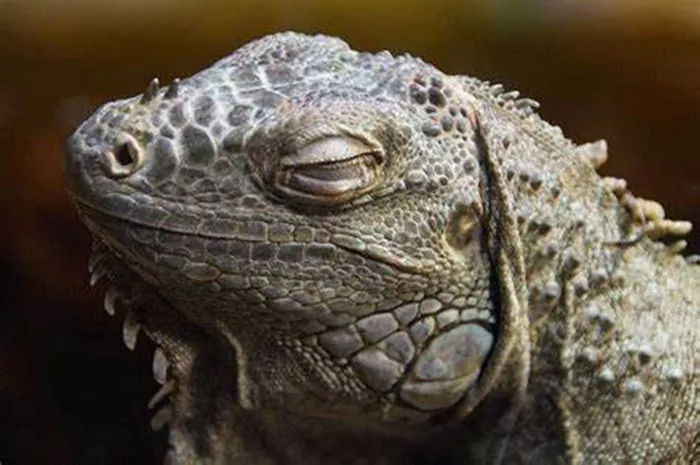
Iguanas are fascinating reptiles, widely known for their unique behavior and appearance. As pets, they are often the subject of curiosity regarding their daily habits. One of the most common questions pet owners have is: Do iguanas go to sleep? This is important to understand because, like all living creatures, sleep is essential for the iguana‘s health and well-being. In this article, we will explore the sleep patterns of iguanas, factors influencing their sleep, how much sleep they need, and how pet owners can create an environment that promotes healthy rest.
Iguanas are diurnal animals, meaning they are active during the day and rest at night. However, their sleep routines are influenced by several factors such as light exposure, temperature, and the overall environment. Understanding these patterns is not just interesting, but crucial for anyone keeping an iguana as a pet.
Iguana Sleep Patterns: How Do They Sleep?
Iguanas, like many reptiles, do not sleep in the same way that humans do. Instead of the deep REM (rapid eye movement) sleep that mammals experience, iguanas go through a lighter form of sleep that involves periods of inactivity and rest. This type of sleep is vital for their physical recovery and mental well-being.
The Role of Light in Sleep
Iguanas are highly sensitive to light. In their natural habitat, they rely on natural sunlight to regulate their circadian rhythms (the body’s internal clock). This means that exposure to daylight during the day and darkness at night helps signal to an iguana when it is time to sleep.
Sleep Duration
Most iguanas sleep for a period of 12 to 14 hours each day, depending on their environment. In the wild, their sleep is primarily dictated by the changing patterns of daylight throughout the year. Iguanas are typically most active in the late morning and afternoon, with periods of rest occurring during the night.
Factors Influencing Iguana Sleep
Iguanas are highly influenced by external factors when it comes to their sleep cycles. The following elements are key to understanding how sleep is regulated for these reptiles:
Temperature and Sleep
Temperature plays a crucial role in an iguana’s sleep patterns. Iguanas are cold-blooded animals, meaning their body temperature fluctuates with the temperature of their environment. They require warmth to stay active and regulate their bodily functions. If the temperature drops too low, they may become lethargic, and their sleep patterns could become irregular.
Seasonal Changes
Iguanas in the wild are also affected by the changing seasons. During the cooler months, they may enter a period of brumation, which is similar to hibernation in mammals. During brumation, iguanas may become less active and sleep for extended periods, sometimes up to several weeks.
How Much Sleep Do Iguanas Need?
Iguanas, like most animals, need sufficient rest to function properly. The amount of sleep they require varies depending on their age, health, and environmental conditions.
Juvenile vs. Adult Iguanas
Juvenile iguanas, which are growing rapidly, tend to need more sleep than adult iguanas. They may sleep for up to 16 hours a day to support their growth and energy needs. Adult iguanas, on the other hand, generally sleep for 12-14 hours a day.
Sleep and Health
Sleep is vital for iguanas’ overall health. Lack of proper sleep can lead to stress, weakened immune systems, and other health issues. This is why creating a sleep-friendly environment is important for pet owners.
How Can You Ensure Your Iguana Sleeps Well?
As a pet owner, it is essential to provide an environment that supports your iguana’s natural sleep cycle. Here are some tips to help you create the best sleeping conditions for your iguana:
Proper Lighting
Make sure your iguana has access to both natural and artificial light. A proper UVB light source is essential for iguanas in captivity, as it mimics sunlight and supports their circadian rhythms. At night, ensure that your iguana has a dark, quiet space to rest.
Temperature Control
Maintain the right temperature in your iguana’s habitat. The basking area should be warm (around 95-100°F), while the cooler end should be around 75-80°F. This range allows your iguana to regulate its body temperature and ensures they get enough rest.
Safe and Comfortable Habitat
Ensure your iguana has a secure and quiet space to sleep, away from disturbances. Provide a cozy hiding spot or a sheltered area where they can feel safe and secure during their rest.
Signs of Sleep Problems in Iguanas
Like any pet, iguanas can experience sleep problems. Recognizing signs of sleep deprivation or discomfort is crucial for pet owners. Some common signs that your iguana may not be sleeping well include:
Lethargy: If your iguana is consistently lethargic during the day, it may be a sign of poor sleep.
Stress: Increased signs of stress, such as erratic behavior or excessive scratching at the enclosure, can indicate discomfort or inadequate rest.
Health Decline: If your iguana’s skin looks dull or they stop eating properly, it could be related to poor sleep or an unhealthy environment.
What to Do If Your Iguana Isn’t Sleeping Well?
If you notice that your iguana is not sleeping well, the first step is to check the environmental factors. Make sure the lighting, temperature, and humidity levels are optimal. If everything seems correct, but sleep problems persist, consult with a reptile veterinarian to rule out any underlying health issues.
Conclusion
Iguanas, like all animals, require proper rest to maintain their health and vitality. Their sleep patterns are influenced by various factors such as light, temperature, and environmental conditions. Understanding how iguanas sleep and what they need to rest properly is crucial for anyone keeping these fascinating reptiles as pets.
By providing a suitable environment with proper lighting, temperature control, and a safe place to sleep, you can ensure that your iguana enjoys restful sleep and remains healthy. Remember, a well-rested iguana is a happy and active iguana.
Related topics: