
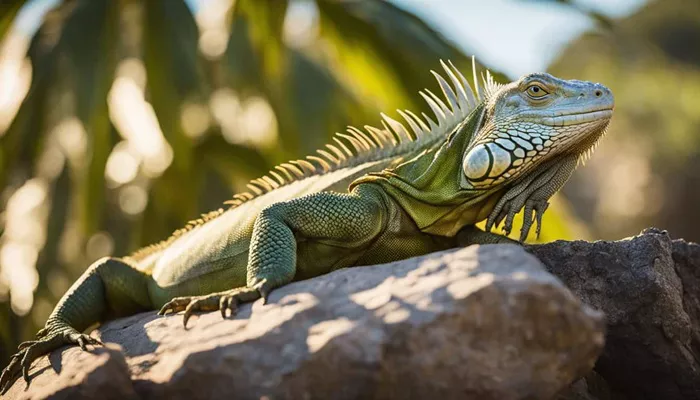
Iguanas, fascinating reptiles known for their impressive size and distinctive features, are often seen as solitary creatures. With their strong, muscular bodies and their reserved nature, iguanas might not seem like the type of animal to demonstrate affection or emotional connections. However, like many animals, iguanas do experience and express a variety of behaviors that could be interpreted as signs of bonding, attachment, or affection. In this article, we will explore whether iguanas show love, what behaviors indicate such emotions, and how they interact with their owners and other iguanas in different environments.
What Does “Love” Mean for Iguanas?
In the context of reptiles, love is not quite the same as it is for humans or even mammals. Love, as we typically understand it, involves deep emotional connections, physical affection, and mutual bonding. Iguanas, like many other reptiles, are more likely to engage in behaviors based on instinct rather than a conscious, emotional connection. Nevertheless, they can show signs of attachment and comfort around certain individuals, which some might interpret as “love.”
Reptiles do not have the same brain structures as mammals that are responsible for the emotional processing of love, such as the limbic system. However, this doesn’t mean that iguanas lack the capacity to form bonds or express care. Instead, their version of “love” can often be seen in how they interact with familiar creatures, such as their owners or other iguanas.
The Science Behind Iguana Behavior
Iguanas, like all animals, are guided by instincts that ensure their survival. They rely on behaviors that help them find food, avoid danger, and mate. However, these instincts are not purely driven by basic survival needs. Over time, iguanas, especially in captivity, may form social bonds with humans, other pets, or even other iguanas. These bonds are not driven by affection in the way that human relationships are but are more related to comfort, safety, and trust.
In captivity, iguanas often become accustomed to their owners and the environment around them. This familiarity can lead to behaviors that are similar to affection or attachment, such as following their owner around the house, showing interest when the owner enters the room, or seeking out the owner’s touch or presence.
Signs that Iguanas Show Love
While iguanas may not hug or cuddle like mammals, there are still several signs that may indicate a bond or affection.
1. Following Their Owner:
One of the most common behaviors that iguanas show is following their owners around. This can be interpreted as a sign that they feel comfortable and safe around their human. Iguanas are typically more solitary and less social than other pets, but they may seek the presence of their owner when they feel at ease.
2. Licking Their Owner or Their Surroundings:
Licking is a common behavior in iguanas, particularly when they are getting familiar with something or someone. When an iguana licks its owner, it may be a sign of recognition and comfort. While this isn’t an expression of love in the human sense, it can be seen as an acknowledgment of familiarity and trust.
3. Sleeping on Their Owner’s Lap or Near Them:
Iguanas are territorial animals, and they usually prefer to sleep in places where they feel safe. If an iguana chooses to rest or nap near their owner, it could indicate a level of comfort and trust. This behavior is not typical of all iguanas, as some may prefer solitude, but for those that engage in this behavior, it may be a sign of attachment.
4. Tail Wagging or Gentle Nudging:
An iguana may gently wag its tail or nudge its owner’s hand when they are being petted. This can be interpreted as a form of affection or a desire for further interaction. The iguana’s tail movement could also indicate contentment, similar to how a dog wags its tail when it is happy.
5. Head Bobbing:
Head bobbing in iguanas is a common form of communication. Male iguanas often use head bobbing to assert dominance or communicate with other iguanas, but it can also be a way of showing affection or familiarity. A slow, deliberate head bobbing when in the presence of an owner may indicate trust or recognition.
6. Soft Eye Contact:
Iguanas are wary animals by nature. However, when an iguana feels comfortable and safe with a person, it may make soft eye contact. This behavior can signify trust, as iguanas typically avoid looking at things that pose a potential threat.
How Iguanas Interact with Other Iguanas
In the wild, iguanas are often solitary animals, especially during the mating season. However, they do come together during mating rituals, and sometimes in areas with abundant food or resources. Among other iguanas, behaviors such as head bobbing, body posturing, and tail flicking are used to communicate dominance, territorial boundaries, or mate selection.
While iguanas don’t form long-term, affectionate bonds with one another in the way that social mammals might, they do establish social hierarchies. Males often fight for territory or mates, while females may form loose bonds, especially if there are shared environmental resources. In captivity, iguanas may show a greater tendency to engage with one another, particularly if they are raised together in the same environment.
How Do Iguanas Interact with Humans?
When it comes to interactions with humans, iguanas are more likely to form bonds based on the consistency and security of their environment. Iguanas may not understand or express affection in the same way as pets like dogs or cats, but they can form trust-based relationships. For instance, iguanas that are handled gently and consistently by their owners may approach them for attention or food, which could be interpreted as a sign of affection or bonding.
Captive iguanas that are raised in environments where they are regularly handled may exhibit more positive behaviors toward humans, including more frequent interaction and a greater tolerance for physical contact. However, iguanas also require space and solitude, and it’s important to respect their boundaries. Forcing an iguana to interact when it is not comfortable can lead to stress or aggression.
The Role of Environment and Routine
Iguanas, like many animals, thrive in stable and predictable environments. Their behavioral responses are often directly linked to how comfortable they feel in their surroundings. An iguana that has been raised in an environment with a consistent routine, appropriate lighting, and proper care may show more positive behaviors toward its owners, simply because it feels safe and secure. It is in these environments that signs of attachment or “love” may be more evident.
Conclusion: Do Iguanas Show Love?
While iguanas may not express love in the same way as humans or even other mammals, they do demonstrate behaviors that suggest comfort, trust, and familiarity. These behaviors, including following their owner, seeking out their touch, and even resting near them, are signs that iguanas can form bonds. However, these bonds are more about security and comfort rather than affection as we understand it.
Ultimately, iguanas are complex animals with unique behaviors that can be interpreted as signs of attachment or love. Whether or not these behaviors are truly a form of “love” is open to interpretation, but they certainly show that iguanas, like other pets, can form connections with those who care for them.
Related topics: