
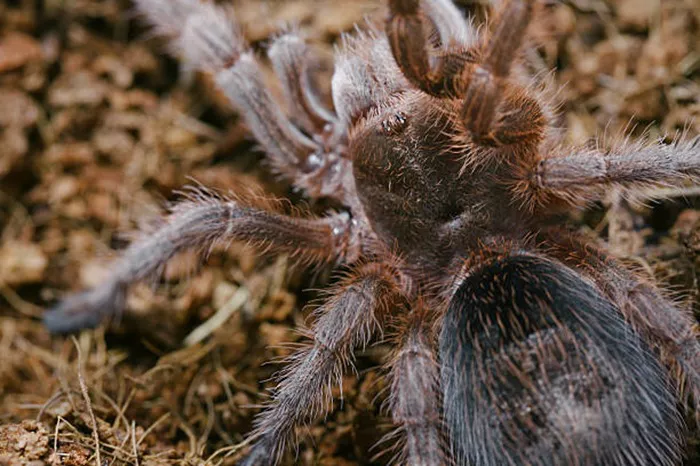
If you’re considering bringing a Chilean rose tarantula (Grammostola rosea) into your home, one of the first questions that might pop into your mind is: “Do Chilean rose tarantulas bite?” The idea of a large, hairy spider with fangs can be intimidating, but the truth might surprise you. These fascinating creatures are actually more misunderstood than dangerous, and understanding their behavior and defensive mechanisms can make your experience as a tarantula keeper much more enjoyable and safe.
In this article, we’ll delve deep into the behavior of the Chilean rose tarantula, including their biting tendencies, their defense mechanisms, and how you can ensure a safe and positive experience both for you and your pet spider. By the end, you’ll be armed with the knowledge you need to confidently handle or care for this unique and popular pet.
What is a Chilean Rose Tarantula?
Before diving into whether or not they bite, it’s essential to know what kind of creature the Chilean rose tarantula is. Known for its docile nature and striking appearance, the Chilean rose tarantula is a species of tarantula native to the deserts of Chile, Argentina, and Bolivia. Its reddish-brown body and light pink or rose-colored hairs give it its name, and it’s one of the most commonly kept pet tarantulas worldwide.
But just because it’s a pet doesn’t mean it’s harmless. While these tarantulas are typically calm, they are still wild animals with instinctive defense mechanisms that can include biting. So, let’s break down the details.
Do Chilean Rose Tarantulas Bite? The Short Answer
Yes, Chilean rose tarantulas can bite, but it’s important to understand that bites from these spiders are rare. These tarantulas are not aggressive, and they will usually only bite when they feel threatened or cornered. Most of the time, they prefer to escape from danger rather than fight.
So, while it’s possible to get bitten, it’s not very likely if you handle your tarantula properly and respect its boundaries. In fact, many people who keep these spiders for years may never experience a bite at all.
What Causes a Chilean Rose Tarantula to Bite?
Like all animals, tarantulas have their own ways of defending themselves. The most important thing to remember is that a Chilean rose tarantula doesn’t seek confrontation. It’s not like a snake or a venomous lizard, which might strike immediately if they feel threatened. Instead, they will usually take the following defensive steps first:
Fleeing the Situation: Chilean rose tarantulas are generally shy. If they’re in a position where they feel threatened, they’ll often retreat to their burrow or a dark corner of their enclosure.
Raising Its Front Legs: If it can’t escape, a Chilean rose tarantula may raise its front legs, preparing to defend itself. This is a warning sign that the spider is not comfortable with the situation.
See Also: What Are the Key Defense Strategies of the Chilean Rose Tarantula?
Threat Posture: Some tarantulas might also assume a “threat posture,” where they will rear up and show off their fangs. This is a visual deterrent, signaling to potential threats that the spider is not to be messed with.
Kicking Urticating Hairs: This is perhaps the most famous defensive mechanism of the Chilean rose tarantula. These spiders have tiny, needle-like hairs on their abdomen called urticating hairs. When threatened, they will kick these hairs off their body and into the air. The hairs can cause severe irritation to the skin, eyes, and mucous membranes. In some cases, people have experienced symptoms like itching or even eye injuries, which is why handling with care is crucial.
Only when these methods fail does the Chilean rose tarantula resort to biting.
What Happens if a Chilean Rose Tarantula Bites You?
A bite from a Chilean rose tarantula is usually not life-threatening. While the spider’s venom contains both neurotoxins and hemotoxins (toxins that affect the nervous and circulatory systems), the amount of venom injected with a bite is typically too small to cause serious harm to humans.
Immediate Symptoms: Most people report mild pain or a stinging sensation at the site of the bite. Some might experience swelling or redness, but these symptoms are usually short-lived.
Long-Term Effects: In rare cases, people with a sensitivity or allergy to the venom might experience more severe reactions, including dizziness, nausea, or even muscle cramps. However, these instances are extremely rare and usually resolve with medical treatment.
Treatment: If bitten, the first step is to clean the wound with soap and water. Applying a cold compress to reduce swelling and taking over-the-counter pain relievers like ibuprofen may also help. If you notice severe reactions like difficulty breathing, immediate medical attention should be sought.
How to Avoid Getting Bitten by a Chilean Rose Tarantula
The best way to avoid getting bitten is to respect the tarantula’s space and only handle it when necessary. Here are some key tips:
Handle with Care: While the Chilean rose tarantula is generally docile, it’s best to only handle it when necessary. Limit handling to short periods of time to avoid stress on the spider.
Observe Body Language: Pay attention to your tarantula’s behavior. If it’s in a defensive posture (front legs raised, fangs visible), it’s time to back off and give the spider space.
Create the Right Environment: A well-maintained habitat is crucial for the health of your tarantula. Make sure it has enough space, hiding spots, and proper humidity and temperature levels. A stressed or uncomfortable tarantula is more likely to be defensive.
Wear Protective Gear: If you’re handling your tarantula, wearing gloves or protective eyewear can help prevent the potential for bites or injury from the urticating hairs.
What Does a Chilean Rose Tarantula’s Bite Feel Like?
Many people describe the sensation of being bitten by a Chilean rose tarantula as similar to being stung by a bee. It’s sharp, but it’s usually short-lived. Some report a slight burning or tingling sensation around the bite area, which typically fades after a few hours.
That being said, the bite itself is far less of a concern than the potential irritation from the urticating hairs. If these hairs come into contact with your skin or eyes, they can cause extreme discomfort, and the irritation may last for several hours.
Are Chilean Rose Tarantulas Dangerous?
In short, no. Chilean rose tarantulas are not considered dangerous to humans. While their venom is potent enough to immobilize their prey, the dose delivered in a bite to a human is usually too small to cause significant harm. The real danger lies in the defensive urticating hairs, which can cause significant irritation and injury if not handled with care.
Conclusion
The Chilean rose tarantula is one of the most popular species in the pet trade, thanks to its docile temperament and relatively easy care requirements. While they can bite, it’s highly unlikely, and they generally prefer to escape danger rather than confront it head-on. As long as you respect your tarantula’s space and handle it with care, you should have a safe and rewarding experience keeping one as a pet.
Related topics: