
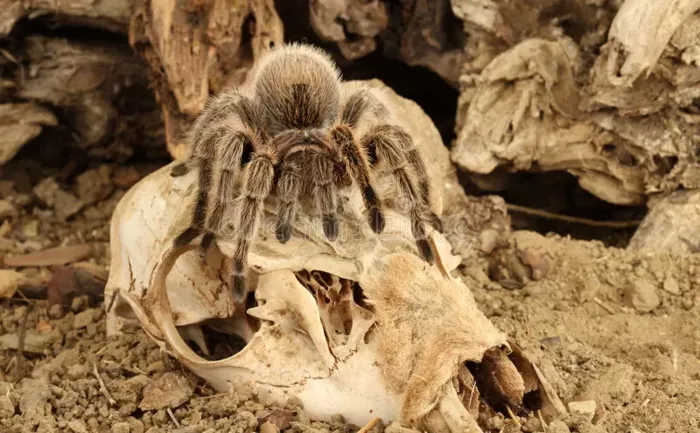
Chilean rose tarantulas, or Grammostola rosea, are among the most popular species of tarantulas kept as pets. Known for their docile nature and beautiful, rose-colored hairs, they’re often the first choice for beginners in the world of tarantula care. But there’s one question that gets asked a lot by new keepers: do Chilean rose tarantulas make webs?
At first glance, you might assume all spiders are web-makers. After all, we often associate web-spinning with spiders, right? But with the Chilean rose tarantula, the situation is a bit different. In this article, we’ll dive into the web-making habits of this species, discuss why they do or don’t spin webs, and explore some fascinating facts you might not know.
Let’s get started and answer the big question!
Understanding Webs in Tarantulas
Before we get into the specifics of the Chilean rose tarantula, it’s essential to understand why and how tarantulas make webs in the first place. If you’re thinking of spider webs as delicate, sticky masterpieces like you see in cartoons, you’re in for a surprise. Tarantula webs aren’t like that at all.
Think of webs as a spider’s “home base.” Some tarantulas use webs for protection, to trap prey, or to create a space for molting (shedding their skin). Webs also serve as a communication tool, helping spiders detect vibrations when something walks near them. For example, a tarantula may use the vibrations in its web to know when a bug is close by.
Now, not all tarantulas spin webs the same way. There are two main categories: web-spinners and non-web-spinners. While web-spinners like Araneidae (orb-weaving spiders) craft intricate, sticky webs, non-web-spinners like the Chilean rose tarantula typically make simpler, more functional webs or none at all.
Do Chilean Rose Tarantulas Make Webs?
Short answer: Yes, but not in the way you might think!
Unlike other spiders, Grammostola rosea doesn’t spin webs to catch food or create massive orb webs. Instead, they create simpler, more practical webs. These webs are generally used for:
Building a shelter: Chilean rose tarantulas typically make small, silk-lined burrows. These are their safe zones, where they hide from predators and spend most of their time.
Molting: When a tarantula needs to shed its old exoskeleton, it often creates a silk mat to help with the process.
Marking territory: They may also spin a thin layer of webbing in their burrow or on objects like rocks and plants to mark their space.
So, if you have a Chilean rose tarantula as a pet, don’t expect to see the large, hanging webs you might associate with other spiders. Instead, you’ll find subtle, sometimes almost invisible webs inside their burrow or around their living area.
Why Do Chilean Rose Tarantulas Not Spin Large Webs?
Great question! So why do these tarantulas make small, unassuming webs rather than the big, beautiful ones we often associate with spiders?
Nature and habitat play a significant role here. Chilean rose tarantulas are terrestrial burrowers, meaning they live on the ground and prefer to stay hidden in burrows or underneath rocks. Their webbing is primarily for protection and personal space, not for catching food or creating large structures. The fact that they are burrowers, combined with their diet of live prey like crickets, beetles, and sometimes small lizards, means they don’t need webs to trap food.
Webs are mainly used by arboreal spiders (those living in trees) to catch prey that comes to them, but that’s not necessary for a species that primarily hunts on the ground.
You May Interested: When Do Snapping Turtles Hatch? May Surprise You!
How Do Chilean Rose Tarantulas Use Their Webbing?
Even though Chilean rose tarantulas don’t create webs to catch food, they still use their silk in clever ways. Here are the main ways they use webbing:
Creating a Molt Mat:
When a tarantula molts, it sheds its exoskeleton to grow. The process can take a lot of energy, and they often create a special silk mat to help anchor themselves during this vulnerable time. This silk mat is essential for the spider’s safety, preventing it from slipping or getting injured.
Burrow Lining:
Chilean rose tarantulas often line the interior of their burrows with silk. This provides a more secure and comfortable environment. You may see this webbing as a subtle, silky coating inside their burrow, and it helps keep the tarantula hidden and safe from predators.
Vibrational Signals:
Although tarantulas don’t build webs for catching prey, they can use their silk to sense vibrations. When a prey animal moves near their burrow, the vibrations travel through the silk, alerting the tarantula that it might be time to hunt.
Should You Expect Webbing in a Pet Chilean Rose Tarantula?
As a pet owner, you might wonder if you’ll ever see your Chilean rose tarantula create webs. While it’s true that Grammostola rosea doesn’t create elaborate webs, it’s still important to provide them with a suitable environment to encourage natural webbing behavior.
A spacious terrestrial enclosure with plenty of hiding spots will encourage your tarantula to create small silk-lined burrows. This is especially important during molting, as the tarantula needs a safe, secure space to shed its exoskeleton.
Don’t be surprised if you don’t see webbing as often as you’d expect. Sometimes, they’ll only spin a small web once they’ve settled into their burrow. It’s like an “introvert” spider—you might not notice the webbing at first, but it’s there when they need it.
Conclusion
In summary, yes, Chilean rose tarantulas do make webs—but not in the traditional sense that you may expect. They create small, functional webs for shelter, marking territory, and during the molting process. So, if you’re hoping to see an intricate web in your pet’s enclosure, you may be a bit disappointed. Instead, focus on providing a suitable burrowed environment, and you’ll likely witness small silk structures in the right conditions.
Related topics: