
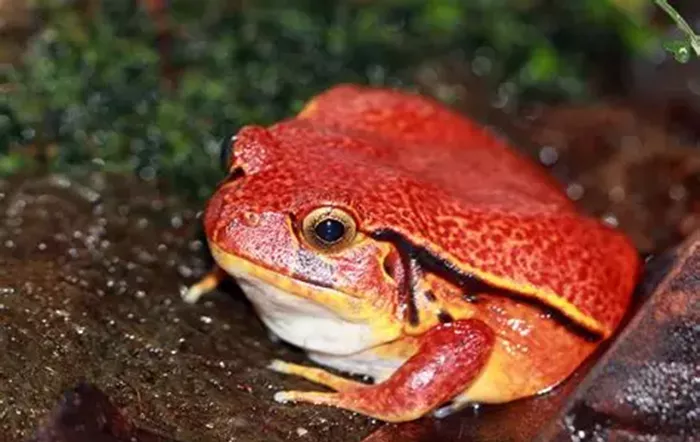
Have you ever wondered if tomato frogs can swim? You might think, “Well, they’re frogs, so of course they can swim!” But hold on—there’s more to the story than meets the eye. Tomato frogs, like many amphibians, are often associated with water, but their swimming abilities are quite different from other frogs you might be familiar with. In fact, these frogs have some unique characteristics that set them apart from the typical image of an amphibian gliding effortlessly through water. So, can tomato frogs swim? Let’s dive in and find out!
What Are Tomato Frogs?
Before we answer the big question, let’s first get to know the tomato frog. Tomato frogs, scientifically known as Dyscophus, are native to the rainforests of Madagascar. They are named after their vibrant red and orange colors, which resemble the bright hues of a ripe tomato. These frogs are generally about 4 to 5 inches long, and their bright colors serve as a warning to predators about their toxicity. But aside from their striking appearance, they also have unique habits and traits that affect how they interact with water.
The Anatomy of a Tomato Frog: What Helps (and Hinders) Swimming?
One of the key factors that determine whether or not an animal can swim is its anatomy. Let’s break it down:
Legs: Tomato frogs have strong, muscular back legs, which is a common feature in amphibians that are adapted to jump and hop. However, unlike frogs that are excellent swimmers, their front legs lack webbing. This means that while their back legs are good for jumping, they’re not as efficient in water as the webbed feet of other amphibians.
Body Structure: When threatened, tomato frogs inflate their bodies, making them appear larger. This defensive behavior, while effective against predators, makes them less agile in water.
Skin: Tomato frogs secrete a toxic substance from their skin when stressed or in danger. This secretion helps ward off predators, but it’s not exactly a “swim-friendly” adaptation. The secretion could potentially impair their ability to move smoothly through water.
So, while they may have some characteristics that might help with swimming—like strong legs—their lack of webbing and other body traits make them not ideal swimmers.
Tomato Frogs in the Wild: Water Habitats and Behavior
In their native Madagascar, tomato frogs are primarily terrestrial. While they do live in areas with plenty of water—such as rainforests, swamps, and puddles—they are more likely to be found in moist, shaded areas rather than swimming in ponds. They tend to burrow into the soil or hide under leaves during the day and are most active at night, making their way to shallow water sources for drinking or mating.
This natural habitat suggests that while tomato frogs may occasionally enter the water, they do not rely on it as a primary part of their life cycle, unlike species that are strong swimmers, like the African clawed frog or the green tree frog. They don’t spend a lot of time swimming around in deep waters but rather use the water for basic needs.
See Also: 5 Major Health Issues Tomato Frogs Face and How to Prevent Them?
Can Tomato Frogs Swim? The Short Answer: Not Very Well!
So, to answer the question directly—no, tomato frogs are not natural swimmers. While they can survive in environments with water, they don’t possess the physical adaptations that make for excellent swimmers. Their lack of webbing on their front legs, combined with their tendency to avoid deep water, means they are not built for swimming like other amphibians you might know.
If you were to place a tomato frog in a body of water, it would likely be able to paddle around a little, but it wouldn’t be graceful or fast. In fact, it might prefer to stay near the edges of the water or even try to escape, as their natural instincts drive them to seek shelter rather than actively swim.
How Tomato Frogs Deal with Water: Shallow Ponds and Soaking
Though tomato frogs don’t swim, they do need access to water for hydration and mating. Here’s how they interact with water in captivity:
Shallow Water: Tomato frogs enjoy shallow water where they can soak but not swim. A shallow dish in their enclosure allows them to keep their skin moist, which is essential for their health. However, they won’t spend long periods submerged like aquatic frogs.
Rainy Season Behavior: In the wild, tomato frogs breed during Madagascar’s rainy season. They will enter temporary water sources, like puddles or ponds, to mate. This is where their somewhat limited swimming ability comes into play. They may hop around the shallow edges or simply soak in the water.
What This Means for Pet Owners: Tank Setup for Tomato Frogs
If you’re considering keeping a tomato frog as a pet, it’s important to understand its water needs. While they don’t need deep water for swimming, they do require a humid, moist environment. Here’s what you should include in your tomato frog’s enclosure:
Shallow Water Dish: A shallow dish filled with dechlorinated water should be available for soaking. This will help maintain their skin moisture and prevent dehydration.
Humidity: Tomato frogs require high humidity levels to stay healthy, so misting the tank daily is essential.
Temperature Control: Keeping the temperature between 65°F and 85°F is crucial. Use a small heat mat if needed to maintain the warmth.
Substrate: Use loose, diggable substrate like coconut fiber or plantation soil. Tomato frogs love to burrow, so providing a soft surface is necessary for their well-being.
Conclusion
To wrap up, tomato frogs are not swimmers. While they can manage to move around in shallow water, they are primarily terrestrial creatures that don’t rely on swimming for survival. They are much more at home in moist, cool environments where they can burrow and stay hidden during the day.
If you’re thinking of keeping a tomato frog as a pet, focus on providing a habitat that reflects their natural preferences: a humid, warm space with access to shallow water for soaking, but not a deep pool for swimming.
Related topics: