
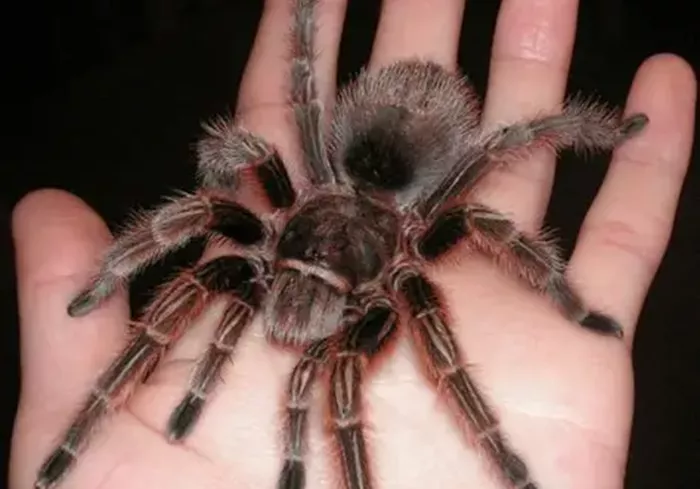
If you’ve just got yourself a Chilean rose tarantula or you’re thinking about it, you might be wondering right off the bat: how often do I need to feed this spider? This question might sound simple, but the answer is a bit more interesting than you think! Feeding a tarantula is not like feeding a dog or a cat. In fact, their eating habits can surprise many new owners.
The Chilean rose tarantula (Grammostola rosea) is a popular pet spider that is easy to care for but has some unique needs. If you feed it too often, you risk overfeeding and harming your spider. Feed it too little, and it might get weak or stressed. So, finding the right feeding schedule is key to keeping your pet healthy and happy.
Let’s unlock the mystery of feeding this awesome species with science, experience, and a bit of fun. By the time you finish reading, you’ll feel confident about giving your Chilean rose tarantula exactly what it needs.
Understanding Your Chilean Rose Tarantula’s Natural Diet and Behavior
Before we dive into the feeding schedule, it helps to know what your tarantula would eat and how often it eats in the wild. In its natural home—the deserts and scrublands of northern Chile, Bolivia, and Argentina—this tarantula is a slow-moving hunter. It doesn’t chase down food like a dog or cat. Instead, it waits patiently in its burrow or under rocks, ready to ambush insects and sometimes even small lizards or rodents.
Think of it like a fisherman patiently waiting for the fish to bite rather than sprinting around to catch dinner. Because of this slow lifestyle, these tarantulas don’t eat every day. In fact, in the wild, they might only eat once or twice a week, depending on food availability.
They feast on a variety of insects: beetles, crickets, grasshoppers, and caterpillars. If you think about it, this is a pretty balanced diet—kind of like how you might mix proteins, vegetables, and grains for yourself.
When you bring a Chilean rose tarantula home, you’re recreating this lifestyle, but you control the food and environment. Knowing their natural diet helps us mimic their feeding patterns better.
This natural background sets the stage for understanding why feeding frequency matters so much.
Why Feeding Frequency Matters for Your Tarantula’s Health
You might be tempted to feed your tarantula every day to see it eat or grow faster. But here’s the thing: tarantulas are built to handle long periods without food. They have slow metabolisms, which means they burn energy slowly and can store nutrients efficiently.
Feeding them too often can cause obesity, health problems, and even shorten their lifespan. Think of it like you eating fast food every day—it’s tempting but not good in the long run.
See Also: Can You Safely Hold This Tarantula?
On the flip side, if you don’t feed your tarantula enough, especially when it’s young and growing, it might struggle. But adult Chilean rose tarantulas can sometimes fast for weeks or even months without issue. This fasting can also be a sign that they are about to molt, which is when they shed their old exoskeleton and grow.
One interesting story comes from a tarantula keeper who noticed her spider refused food for nearly two months before molting. At first, she worried, but it turned out to be completely normal. After molting, the spider ate ravenously again.
Understanding these natural fasting behaviors helps you avoid stressing out when your pet doesn’t eat for a while.
Recommended Feeding Schedule for Chilean Rose Tarantulas
Here’s the golden rule: feed your Chilean rose tarantula once a week if it’s an adult and every 4-7 days if it’s a juvenile. Juveniles are growing and need more frequent feeding to build their bodies.
For juveniles (spiders less than 1 year old): Feed every 4 to 7 days. They are like growing children who need regular meals.
For adults: Once a week is perfect. They’re more like grown-ups who eat regular but smaller meals.
For females: Females live much longer (sometimes up to 20 years!) and can have a slower metabolism as they mature. Some females can be fed once every 10-14 days.
For males: Males often live shorter lives (around 8-10 years) and may eat a little less as they mature, especially when searching for mates.
If your tarantula refuses food, don’t panic! It might be fasting naturally, especially if it’s about to molt.
What to Feed Your Chilean Rose Tarantula: Quality Matters
Your tarantula’s diet in captivity should mostly consist of gut-loaded crickets. “Gut-loaded” means the crickets have been fed nutritious foods like fresh vegetables before they become food for your spider. This is like making sure the burger you eat has fresh veggies inside—not just empty calories.
Besides crickets, you can also offer:
Mealworms
Waxworms (as occasional treats)
Small roaches (like Dubia roaches)
Occasionally small lizards or pinkie mice (for adults only and not frequently)
Avoid feeding wild-caught insects, as they might carry parasites or pesticides.
The size of prey should generally be about the size of your tarantula’s abdomen or smaller. Think of it like portion control: you wouldn’t want to eat something bigger than your head!
How to Know If You Are Feeding Too Much or Too Little
There are a few signs to help you adjust your feeding schedule:
Too much food: Your tarantula becomes sluggish, refuses to move, or refuses food frequently after eating well for a while. Also, uneaten prey staying in the enclosure for days means you’re overfeeding.
Too little food: Your spider appears very thin, weak, or lethargic. Juveniles that refuse food for weeks might be a concern if it doesn’t molt soon.
A good habit is to remove any uneaten prey after 24 hours to prevent stress or injury to your tarantula.
Feeding Tips and Tricks to Keep Your Tarantula Healthy and Happy
−Feed at night or in a dimly lit room; Chilean rose tarantulas are nocturnal and more active when it’s darker.
−Use tweezers or feeding tongs to offer prey to avoid accidental bites or damage to your hands.
−Observe your tarantula’s behavior during feeding. A lively spider that pounces or captures prey quickly is a healthy spider.
−Avoid disturbing your tarantula immediately after feeding; give it time to digest.
−Always ensure fresh water is available, even though tarantulas get much hydration from their food.
The Amazing Fasting Ability of Chilean Rose Tarantulas: What You Should Know
One of the coolest things about these tarantulas is their ability to go without food for weeks or even months. Adult females especially can fast for long periods without any harm.
This might seem worrying, but it’s part of their survival strategy in the wild, where food availability can be scarce.
If your tarantula refuses food, check if it’s about to molt. Signs of molting include:
Dull or darkened coloration
Decreased activity
Refusing food for days or weeks
If molting is near, don’t try to force feed. Wait for the molt to complete. After molting, your tarantula will be hungry and ready to eat again.
Common Mistakes to Avoid When Feeding Your Chilean Rose Tarantula
Overfeeding: Feeding daily or multiple times a week can cause obesity and health issues.
Feeding inappropriate prey: Avoid prey that’s too large, aggressive, or chemically treated.
Ignoring fasting signs: If your tarantula is fasting, don’t panic or try to force feed it.
Leaving uneaten food in the enclosure: This can stress or harm your spider.
Remember, feeding is just one part of good tarantula care. Proper habitat, humidity, and temperature also matter.
Conclusion
Feeding your Chilean rose tarantula might seem tricky at first, but it’s easier than you think. Feed juveniles every 4-7 days, adults once a week, and don’t stress if your spider skips meals now and then. Keep prey sizes reasonable, use gut-loaded crickets, and observe your tarantula’s behavior to adjust.
With patience and care, you’ll watch your tarantula thrive and become a fascinating companion. Feeding is part science, part art—and a lot of fun!
Related topics: