
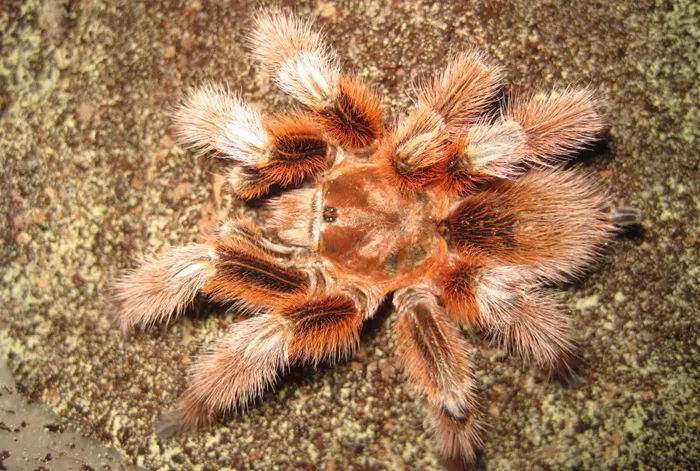
The Chilean Rose Tarantula is a fascinating and beautiful species, often chosen as a pet by enthusiasts and novices alike. But when it comes to keeping them, one of the biggest questions is: How can you tell if it’s a male or a female? The answer isn’t always straightforward, and it’s more than just about size or behavior. In this article, we’ll dive into the specific differences between male and female Chilean Rose Tarantulas.
So, if you’ve ever wondered what makes these arachnids tick, stick around — you might be surprised by what you learn!
The Chilean Rose Tarantula: A Brief Introduction
First things first: let’s introduce you to the Chilean Rose Tarantula. Known scientifically as Grammostola rosea, this spider species is native to the arid regions of Chile. It’s a popular pet due to its docile nature, vibrant color, and relatively low maintenance. If you are just starting out with arachnids, you couldn’t have picked a more suitable species!
But beyond their lovely appearance and easygoing temperament, these spiders also have some interesting behaviors and characteristics that can be useful to know, especially if you plan on breeding them or observing them closely.
And yes, males and females of this species are quite different, so it’s important to be able to tell them apart!
How to Identify the Sex of a Chilean Rose Tarantula
1. Size Matters
In many species of spiders, males and females look very similar at first glance. But with Chilean Rose Tarantulas, one of the most noticeable differences is size. Typically, females are larger than males. This size disparity is common in many spider species, but it’s especially pronounced in tarantulas.
Females of this species can grow up to 5 inches (12.7 cm) in leg span, while males usually only reach about 4 inches (10.2 cm). This means that if you’re dealing with a large Chilean Rose, it’s more likely a female. But don’t go solely by size — we’ll explore more characteristics below.
2. The Color Difference
While both sexes share similar colors, males tend to be a little more colorful than females. Males often have a more intense, vibrant reddish or pinkish hue on their abdomen, while females tend to have more muted tones. But, this can be tricky, as color differences can also depend on the individual’s age and environment.
Behavioral Differences: How Do They Act?
1. Mating Rituals and Courtship
One of the easiest ways to spot the difference between a male and a female is during mating season. Male Chilean Rose Tarantulas are active in their search for a mate, constantly moving around and drumming their front legs to signal their interest. Females, on the other hand, are more stationary. Once a male locates a female, he will attempt to court her with a delicate dance.
Interestingly, males don’t stick around long after mating. Once they’ve mated, their primary goal is fulfilled, and they typically die within a few months due to the energy expended in mating.
2. Aggression Levels
Generally speaking, females are less aggressive than males. While they might be defensive when threatened, they tend to remain in one place and conserve their energy. Males, however, tend to be a bit more erratic, especially when they are searching for a mate. They may also display a higher level of aggression if they feel cornered.
Life Expectancy: Who Lives Longer?
1. Male Life Expectancy
Males of the Chilean Rose Tarantula species have a shorter lifespan. In the wild, they usually live around 3-5 years. However, in captivity, this can extend a little longer due to optimal living conditions and lack of natural predators. Males die shortly after mating, as their energy is used up in the courtship and breeding process.
2. Female Life Expectancy
Females, on the other hand, can live much longer — often 15 to 20 years in captivity. This is a significant difference and highlights one of the main reasons why female Chilean Rose Tarantulas are often considered better pets for beginners. They tend to be more laid back, less aggressive, and live longer, giving their owners more time to bond with them.
How to Care for Your Chilean Rose Tarantula
1. Housing and Temperature Needs
Both males and females require similar housing setups. A 10-gallon tank with proper ventilation will suffice. It’s crucial to keep the environment at the right temperature — around 75 to 85 degrees Fahrenheit (24-29°C) is ideal. Humidity levels should be kept low to moderate, as the Chilean Rose comes from dry regions.
2. Feeding
Both males and females enjoy eating live insects, including crickets and mealworms. However, females may eat more often due to their larger size. Don’t overfeed, though — tarantulas are opportunistic feeders and can go without food for several weeks if necessary.
3. Handling
While both males and females are generally docile, the best advice is to leave them alone. Tarantulas do not enjoy handling, and excessive interaction can lead to stress or even injury. It’s okay to handle them occasionally, but always be gentle and calm.
Can You Keep Male and Female Chilean Rose Tarantulas Together?
The short answer is: No, don’t try it.
While males and females might coexist in the wild, keeping both together in captivity is a bad idea. The male might attempt to mate, and if the female isn’t interested, she could become aggressive and harm him. In addition, keeping them together for extended periods can lead to unnecessary stress for both tarantulas.
If you plan on breeding your tarantulas, you’ll need to set up a breeding enclosure and keep them apart after mating.
Fun Facts About the Chilean Rose Tarantula
Not venomous to humans: While their bite is painful, the venom of a Chilean Rose Tarantula is not deadly to humans. It can cause local swelling, but it’s generally harmless.
Long Lifespan: Females can live up to 20 years, which is exceptional in the arachnid world.
Not Aggressive: Compared to other tarantulas, the Chilean Rose Tarantula is known for its calm and docile nature. They’re often referred to as “the puppy dogs of the tarantula world.”
Conclusion
If you’re a beginner and looking for a tarantula, a female Chilean Rose might be your best bet due to her longer lifespan, less aggressive behavior, and more predictable nature. However, if you’re more interested in breeding or simply observing the fascinating behaviors of male tarantulas, understanding the differences in their courtship rituals and life cycle is essential.
Ultimately, whether male or female, the Chilean Rose Tarantula is an excellent species to keep as a pet. Their low-maintenance needs and stunning appearance make them a top choice for any arachnid lover.
Related topics: