
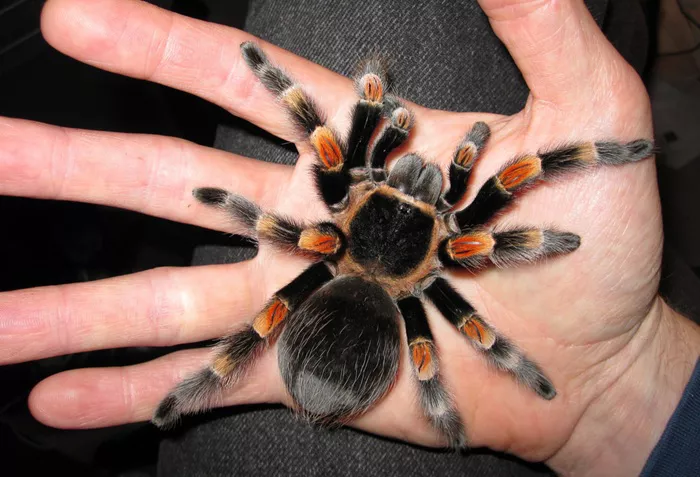
If you own a Mexican red knee tarantula or you’re thinking about getting one, you might have noticed something fascinating — they shed their old skin! This process, called molting, is not only incredible to watch but also essential to the tarantula’s growth and health. But how often does this molting happen? And what does it mean for your pet?
This article dives deep into the molting process of the Mexican red knee tarantula (scientific name Brachypelma hamorii), explaining how often they molt, why it’s so important, and how you can recognize and support your spider during this vulnerable time. Whether you’re a beginner or a seasoned tarantula enthusiast, you’ll find simple explanations, relatable analogies, and real stories to guide you.
What is Molting? The Basics You Can’t Miss
Imagine you’ve outgrown your favorite pair of jeans — they’re too tight and uncomfortable. What do you do? You get a new, bigger pair. Tarantulas face the same problem, but since they have a hard outer shell called an exoskeleton, they can’t just stretch it. Instead, they have to shed this shell and grow a new one.
Molting is this shedding process, technically called ecdysis. It lets the tarantula:
Grow bigger
Repair damaged body parts
Replace worn-out skin and hairs
During molting, the Mexican red knee tarantula will appear lifeless or sluggish, and after shedding, its new exoskeleton will be soft and vibrant — like a butterfly fresh out of its chrysalis.
How Often Do Mexican Red Knee Tarantulas Molt?
The molting frequency depends on several factors, mainly the spider’s age and growth stage.
Young Tarantulas Molt More Often
Juvenile Mexican red knee tarantulas are like teenagers—they’re growing rapidly and need to molt frequently. They can molt every few weeks to a couple of months. This is their way of “getting taller,” just like kids needing new clothes every year.
For example:
A spiderling might molt every 4 to 8 weeks
A juvenile tarantula may molt every 2 to 3 months
Adult Tarantulas Molt Less Frequently
Once the tarantula reaches adulthood, molting slows way down. Adults might only molt once or twice a year, or sometimes even less often. This is because their growth nearly stops, and molting mainly serves to replace old skin or heal injuries.
Adult males tend to molt less frequently, especially after their final molt, which is often linked to their breeding phase.
Molting Frequency Overview
| Stage | Molt Frequency | Purpose |
|---|---|---|
| Spiderling | Every 4-8 weeks | Rapid growth |
| Juvenile | Every 2-3 months | Continued growth |
| Adult | 1-2 times per year | Maintenance & repair |
| Adult Male | Once or none after maturity | Final molt before breeding |
What Factors Affect Molting Frequency?
Besides age, many things can influence how often your Mexican red knee tarantula molts.
Temperature and Humidity
Just like you might feel sluggish on a cold day, tarantulas also slow down when the temperature or humidity isn’t right. Optimal conditions speed up growth and molting.
Ideal temperature: 75-80°F (24-27°C)
Ideal humidity: 65-75%
If it’s too dry or too cold, molting may take longer or become stressful.
Diet and Nutrition
A well-fed tarantula is more likely to molt regularly. In the wild, these spiders feast on insects and small invertebrates, so providing a steady diet of crickets, roaches, or mealworms supports healthy molting.
Stress and Environment
Changes in habitat, frequent handling, or loud noises can stress your tarantula, potentially delaying molting. Think of it like a human going through stress—it’s hard to focus on growth when you’re worried!
Signs Your Mexican Red Knee Tarantula is About to Molt
Molting is a vulnerable time, so knowing the signs helps you protect and care for your pet.
Decreased Appetite
A tarantula about to molt often stops eating for days or weeks. This is a strong hint that a molt is near.
Dull or Darkened Color
The spider’s colors may appear dull or darker, especially on the abdomen. This happens because the new exoskeleton forms underneath the old one.
Lethargy and Hiding
Your tarantula might hide more, move less, or seem less responsive. It’s preparing for the big shed.
Swollen Abdomen
The abdomen may swell or look bigger before molting, like a balloon about to pop.
The Molting Process: What Really Happens?
Molting happens in stages, and it can take hours or even a full day.
Pre-molt stage: The tarantula stops eating and prepares by reabsorbing nutrients from the old exoskeleton.
Splitting the old skin: The exoskeleton cracks, usually along the carapace (top shell).
Shedding: The tarantula slowly crawls out of the old skin, starting with its legs, then the abdomen and cephalothorax.
Rest and hardening: The new exoskeleton is soft and pale. The tarantula remains still as it hardens over several days.
You should never disturb or handle a tarantula during this time—they are fragile, and injuries can be fatal.
After Molting: How to Care for Your Tarantula
Post-molt care is critical. The tarantula is vulnerable, and its new exoskeleton needs time to harden.
Avoid Feeding
Wait at least 1-2 weeks before offering food again. The spider might not be interested immediately, so patience is key.
Maintain Proper Environment
Keep temperature and humidity stable to help the exoskeleton harden faster.
Minimal Handling
Don’t stress your tarantula with handling. Let it rest and recover.
Real Stories From Tarantula Keepers
“I was so amazed when my red knee molted the first time! It looked like a completely new spider — brighter colors and fresh-looking legs. It molted every 6 weeks when young and now as an adult, it only molts once a year. Super cool!”
— Jenna M., Tarantula hobbyist
“I almost panicked when my tarantula stopped eating, but then I learned it was about to molt. After the shed, it looked healthier than ever. Now I know patience pays off!”
— Marcus T., Exotic pet owner
Conclusion
Your Mexican red knee tarantula molts regularly when young to grow bigger and slower as an adult for maintenance. Knowing how often they molt helps you anticipate their needs and keep them healthy. Remember, a healthy environment, proper diet, and gentle care make molting a smooth and safe process for your scaly buddy.
Related topics: