
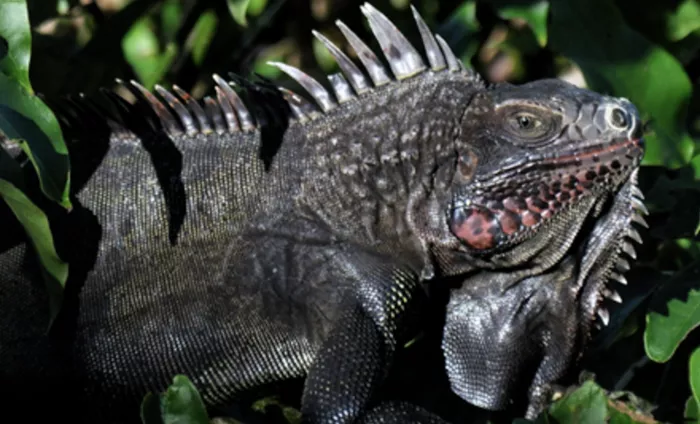
The Saban Black Iguana (Ctenosaura sabanensis) is a captivating reptile found in the lush forests of Central America. Its striking appearance and unique behavior make it a subject of interest to both reptile enthusiasts and biologists alike. But what makes the Saban Black Iguana so special? Let’s dive into its world, where we’ll uncover its natural habitat, diet, behavior, and even the potential challenges it faces in the wild.
What Makes the Saban Black Iguana Stand Out?
Imagine walking through the tropical jungles of Honduras or Nicaragua, where towering trees give way to sun-drenched clearings. Amidst the vibrant greenery, you spot a dark figure basking on a large rock, blending perfectly with the shadows. This is no ordinary iguana—it’s the Saban Black Iguana, a creature that has adapted to its environment in fascinating ways.
This species stands out because of its distinctive black coloration, which helps it camouflage with the rocky landscapes and dense foliage of its native habitat. The Saban Black Iguana is primarily found in tropical dry forests and scrublands, often near water sources.
How Does the Saban Black Iguana Differ from Other Iguanas?
When you think of an iguana, you might picture the Green Iguana, with its vibrant green body and long tail. While similar in some ways, the Saban Black Iguana has its own set of characteristics that make it unique. For one, it’s known for its dark color, which ranges from dark brown to nearly black, helping it blend seamlessly into its environment. Additionally, this species tends to have a slightly more robust build compared to its more slender relatives.
Habitat and Distribution of the Saban Black Iguana
The Saban Black Iguana is native to a small region in Central America, specifically the countries of Honduras, Nicaragua, and parts of Costa Rica. These areas are characterized by dry forests and scrublands that experience long periods of sunlight. This iguana thrives in these climates due to its ability to regulate body temperature by basking in the sun and seeking shade during the hotter parts of the day.
Where Do Saban Black Iguanas Live?
While these iguanas are most commonly found in the Saban region (from which they get their name), they are also spotted in other parts of the tropical dry forests, near rivers and streams. These natural habitats provide the iguana with the warmth it needs during the day, as well as access to water, which is essential for staying hydrated and maintaining healthy skin.
Diet of the Saban Black Iguana
As with most reptiles, the diet of the Saban Black Iguana is varied, though they are predominantly omnivores. In the wild, they consume a range of plant material, insects, and small animals. They can often be seen munching on fruits, flowers, and leaves, as well as caterpillars, beetles, and even small mammals.
What’s especially interesting about the Saban Black Iguana’s diet is its opportunistic feeding habits. During certain seasons when food is more abundant, these iguanas may eat large quantities of fruits to store energy for the dry months when food is scarcer. It’s like how squirrels gather food for the winter!
Why Is Their Diet Important?
The diversity of their diet plays a critical role in their survival. The Saban Black Iguana has adapted to take advantage of whatever food is available, allowing it to thrive in an ever-changing environment. In times of scarcity, these iguanas can survive for days without eating, relying on their ability to store fat and water.
Behavior and Social Structure
Saban Black Iguanas are not solitary creatures. In fact, they are often seen in small groups, especially during the breeding season. These iguanas are diurnal, meaning they are most active during the day. You’ll often spot them basking in the sun in the early morning hours, using the warmth to regulate their body temperature.
How Do Saban Black Iguanas Interact?
Social behavior among Saban Black Iguanas is relatively simple but still intriguing. Males are known to be territorial, often defending their space from other males, especially during mating season. On the other hand, females tend to be more passive and are often seen interacting with males during the breeding period.
The interactions between these iguanas are similar to what you might observe with other lizard species, such as the Green Iguana or Chuckwalla. Mating rituals often involve head bobbing, tail flicking, and other displays of dominance.
Reproduction and Life Cycle
The life cycle of the Saban Black Iguana begins with a fascinating courtship ritual. Mating generally occurs at the start of the rainy season, between April and June. After copulation, the female lays her eggs in burrows or hidden nests, where they remain incubating for several months.
How Do Baby Iguanas Start Their Journey?
Once the eggs hatch, the baby iguanas (also known as hatchlings) emerge from the soil and make their way into the world. These small, fragile creatures must quickly adapt to the harsh realities of their environment. They are vulnerable to predators and rely on their speed and camouflage to survive.
Interestingly, baby iguanas are more active and faster than their adult counterparts, which helps them avoid predators. They typically grow quickly, reaching sexual maturity by the age of 2 to 3 years.
Threats and Conservation Efforts
The Saban Black Iguana faces several threats in the wild, including habitat loss, climate change, and illegal pet trade. As the rainforests continue to shrink and human activity encroaches upon their natural habitats, these iguanas face greater challenges.
What Can We Do to Help?
Conservation efforts are underway to protect the Saban Black Iguana, focusing on habitat preservation and education. Local communities and organizations are working together to establish protected areas and raise awareness about the importance of preserving this unique species.
By supporting conservation initiatives and reducing human impact on their environment, we can help ensure that future generations of these fascinating creatures continue to thrive in their natural habitats.
Conclusion
The Saban Black Iguana is a remarkable species that offers a glimpse into the incredible adaptability of reptiles. Its ability to survive in harsh environments, its diverse diet, and its complex social behavior all contribute to its status as one of the most intriguing species in Central America. Whether you are an experienced herpetologist or just a nature enthusiast, the Saban Black Iguana is a creature that commands respect and admiration.
Related topics: