
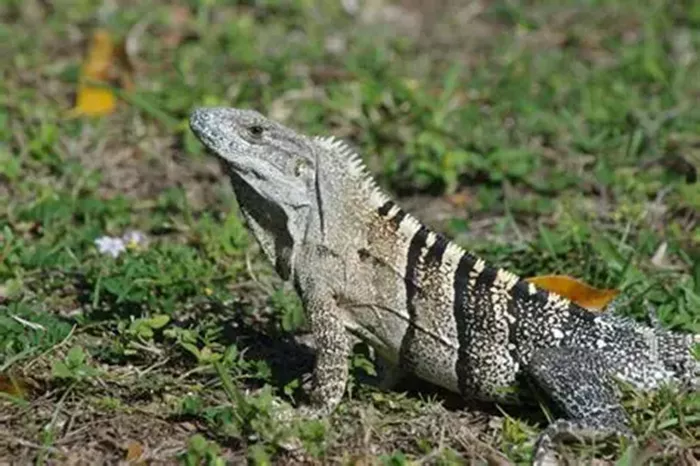
If you’re thinking about owning a reptile pet, the spiny-tailed iguana might have caught your eye. These lizards look fascinating with their armored, spiky tails and bold personalities. But before you rush to get one, it’s essential to know: are spiny-tailed iguanas good pets? Do they fit your lifestyle, and can you provide the care they need?
Let’s dive deep into the world of these remarkable reptiles and discover whether they make great companions or if they’re better admired from afar.
What Exactly Is a Spiny-Tailed Iguana?
First, it helps to understand what kind of animal we’re talking about. Spiny-tailed iguanas belong to the genus Ctenosaura. They are medium to large-sized lizards native to Central America and parts of Mexico. Their name comes from the distinctive spines running down their thick tails, which act like a built-in defense weapon.
Unlike the popular green iguana, spiny-tailed iguanas are known for being fast and a bit more aggressive, which already hints at some unique challenges in keeping them as pets.
Why Do People Consider Spiny-Tailed Iguanas as Pets?
There’s no denying it—spiny-tailed iguanas are captivating creatures. Their bold patterns, swift movements, and somewhat prehistoric look attract many reptile enthusiasts. Some reasons why people want them as pets include:
−Their unique appearance with armored tails.
−The challenge of caring for a more “wild” type of lizard.
−The appeal of owning a pet less common than green iguanas or leopard geckos.
But fascination aside, owning a spiny-tailed iguana requires commitment and knowledge. They are not your typical easy-going pet.
Spiny-Tailed Iguana Behavior: What to Expect
If you think you’ll have a calm, cuddly reptile, spiny-tailed iguanas might surprise you. They are known for:
−Being fast and alert: These lizards are quick movers and excellent climbers. They can easily escape if not secured properly.
−Territorial and defensive: Their spiny tails are not just for show; they use them to defend themselves. If scared or provoked, they may lash their tails and bite.
−Independent and wary: Unlike dogs or cats, they don’t seek constant affection. In fact, they often prefer to be left alone.
Think of them as a wild athlete—fast, strong, and ready to defend themselves. This means you need to respect their space and understand their natural instincts.
Housing Your Spiny-Tailed Iguana: The Essentials
Setting up a proper home is crucial. Imagine living in a tiny apartment when you’re used to roaming freely—it would be stressful, right? The same applies to these iguanas.
Space: Spiny-tailed iguanas grow between 16 to 30 inches or even longer. They need a large enclosure with enough room to move, climb, and explore. A cramped cage can lead to stress and health problems.
Temperature and Lighting: They are cold-blooded, meaning they depend on external heat to regulate their body temperature. A proper heat gradient in the enclosure is like offering them a sunny and shaded spot to choose from. You need a basking light and a UVB lamp — which works like artificial sunlight, helping them produce vitamin D3, essential for calcium absorption and strong bones.
Humidity: While they come from dry to semi-arid habitats, they do need some humidity balance. Too much moisture can cause respiratory issues, and too little may dry out their skin.
Getting the environment right is like creating a mini tropical or desert oasis for them. If you miss this, their health will suffer.
Feeding Your Spiny-Tailed Iguana: What’s on the Menu?
Feeding these reptiles properly is both an art and a science. Unlike carnivorous lizards, spiny-tailed iguanas are mostly herbivores but also opportunistic omnivores—they might occasionally eat insects or small animals.
Plant-based diet: They thrive on leafy greens, vegetables, and some fruits. Think of feeding them like planning a balanced salad bowl every day. Avoid iceberg lettuce since it has little nutrition.
Supplements: To avoid metabolic bone disease, a common reptile illness caused by calcium deficiency, you must dust their food with calcium powder regularly. Without it, their bones become weak and prone to fractures.
Water: Fresh water should always be available. Some iguanas enjoy soaking in water, which also helps with hydration.
Remember, feeding is not just tossing food in the tank. You have to make sure it’s nutritious, fresh, and properly supplemented—just like cooking a healthy meal for yourself!
See Also : Spiny Iguana Food List Explained
Handling and Temperament: Can You Bond with a Spiny-Tailed Iguana?
Here’s the part many potential owners want to know: Can you tame these reptiles? The answer is nuanced.
Spiny-tailed iguanas are not naturally friendly pets. They are more like independent roommates than affectionate puppies. However:
−With patience and consistent, gentle handling, some individuals may become accustomed to you.
−Sudden movements or rough handling will stress them and may cause defensive behavior.
−Young iguanas tend to be more tolerant of handling than adults.
If you want a pet you can cuddle daily, these lizards might disappoint. But if you appreciate their unique personality and respect their boundaries, they can be rewarding companions.
Health Concerns: What Should You Watch Out For?
Owning any reptile comes with health risks if not cared for properly. For spiny-tailed iguanas, some common problems include:
Metabolic Bone Disease: Caused by a lack of calcium or insufficient UVB light. Symptoms include weak bones, deformities, and lethargy.
Respiratory infections: Poor ventilation or high humidity can cause breathing troubles.
Parasites: Internal and external parasites can affect iguanas. Regular vet check-ups help catch problems early.
Stress-related issues: Inadequate environment, improper handling, or lack of space can lead to stress, affecting appetite and immune health.
Think of it like any pet or even a child: providing proper care prevents many issues.
The Commitment Factor: Time, Money, and Effort
If you’re excited about the idea but not ready to commit, it’s worth reconsidering. Spiny-tailed iguanas can live 10 to 15 years in captivity with proper care. That’s a long friendship!
Costs can add up:
Enclosure setup and maintenance.
Special lighting and heating equipment.
Quality food and supplements.
Veterinary visits to reptile specialists.
Plus, you need to spend time daily to feed, clean, and interact with your pet. Owning a spiny-tailed iguana is not a weekend hobby; it’s a long-term lifestyle choice.
Legal and Ethical Considerations
Before getting a spiny-tailed iguana, check local laws. Some areas regulate or prohibit ownership due to conservation or safety reasons.
Also, consider the ethical side. Wild-caught iguanas may suffer from stress and disease. Prefer captive-bred pets from reputable breeders to support ethical practices.
Great Alternatives if Spiny-Tailed Iguanas Are Not for You
If you find the idea of caring for a spiny-tailed iguana overwhelming, don’t worry! There are plenty of other reptile pets that might suit you better, such as:
Leopard geckos: Small, easy to handle, and less demanding.
Bearded dragons: Friendly and more tolerant of interaction.
Crested geckos: Require less intense heat and lighting.
These alternatives might give you the reptile experience without the complexities.
Conclusion
Spiny-tailed iguanas are fascinating reptiles with distinct personalities and unique care requirements. They can make interesting pets but are best suited for experienced reptile keepers who can provide the right environment, diet, and handling.
If you enjoy a challenge, have the time and resources, and respect their wild nature, you might find a rewarding companion in a spiny-tailed iguana. However, if you seek a cuddly, easy-to-care-for pet, they may not be the right choice.
Remember, every pet deserves proper care and respect. Do your homework, prepare well, and you can unlock the incredible world of these spiky-tailed marvels!
Related topics: