
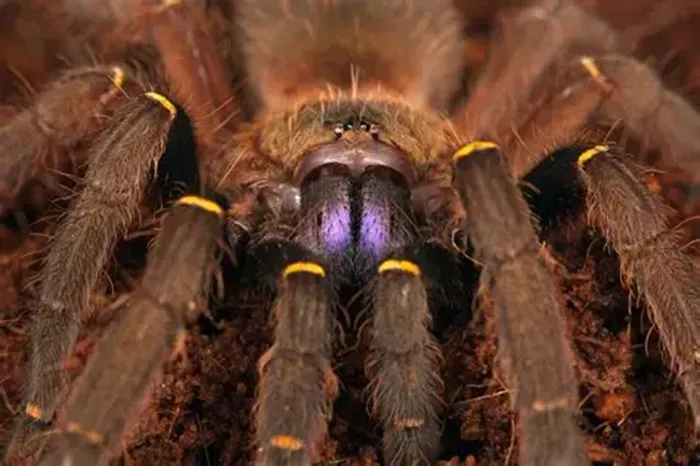
Tarantulas are often shrouded in mystery, with many people seeing them as dangerous, exotic creatures. A common misconception is that they thirst for blood, particularly from animals like mammals or birds. But is there any truth to this? Do tarantulas like blood? This article delves into the biology, feeding habits, and natural instincts of tarantulas, shedding light on their unique feeding behaviors.
Understanding tarantulas requires a closer look at their diet, predatory techniques, and how they interact with their environment. You might be surprised to find that tarantulas are not bloodthirsty hunters, but rather skilled predators that rely on different strategies to find food.
What Do Tarantulas Eat?
Tarantulas are carnivores. This means they primarily eat meat. However, their diet doesn’t consist of just any kind of meat; they prefer insects, small mammals, reptiles, and even amphibians. You might be wondering, “Do they suck the blood out of their prey?” The answer is no. While tarantulas are opportunistic feeders, they do not actively seek out blood to consume.
Instead, tarantulas use their fangs to inject venom into their prey, immobilizing it. They then proceed to digest the prey externally by releasing digestive enzymes, which break down the body of their victim. This process allows the tarantula to consume the liquid nutrients inside the prey, but blood is not the primary target.
How Do Tarantulas Hunt?
Tarantulas are ambush predators, meaning they wait for their prey to come close before attacking. They do not actively chase down their food but rather remain hidden until something ventures within striking range.
Most species of tarantulas use sight, vibration, and scent to detect potential prey. They rely on these senses to feel the vibrations in the ground from approaching animals or insects. Once a potential meal gets too close, the tarantula strikes, injecting venom to subdue its prey.
Interestingly, tarantulas do not “suck” blood from their prey. Instead, they inject digestive enzymes into the body, which break down the prey into liquid form. They then lap up these nutrients, which may include proteins, fats, and, occasionally, trace amounts of blood. However, the primary nutritional source for tarantulas comes from the tissues of their prey, not blood itself.
The Role of Blood in a Tarantula’s Diet
While some animals, like vampire bats, actively seek out blood, tarantulas are not built to consume it as a main source of nourishment. Blood, in the strictest sense, is not the primary food that tarantulas go after. Instead, they rely on the muscle tissue and soft organs of their prey. The blood within these tissues is simply part of the liquid nutrients that the tarantula ingests.
In some cases, a tarantula may encounter blood as a byproduct of its hunt. For example, if a tarantula captures an insect like a cricket, it may puncture the insect’s body, causing the blood to leak out. However, this is incidental, and tarantulas are far more interested in the muscle and soft tissues of their prey.
Do Tarantulas Attack Humans for Blood?
Despite their intimidating appearance, tarantulas are generally not dangerous to humans. They are not aggressive creatures by nature and will only bite if they feel threatened. Even then, their bites are rarely life-threatening. A tarantula’s venom is potent, but it is designed to immobilize prey, not to harm humans.
There is a myth that tarantulas will attack humans to drink blood, but this is far from the truth. Tarantulas do not have the necessary mouthparts or feeding behaviors to extract blood from humans. Their bites, while painful, do not result in blood-draining attacks.
If you’re ever bitten by a tarantula, it’s typically because the spider felt threatened or cornered. In most cases, the bite will only cause temporary swelling or redness, similar to a bee sting.
Blood in Tarantula Care
When it comes to caring for tarantulas as pets, blood is not part of their diet. Most pet tarantulas are fed live insects such as crickets, roaches, or mealworms. These insects are the ideal prey for the spider, providing the necessary nutrients for growth and survival. The blood inside these insects is incidental and not something the tarantula is seeking.
Many tarantula owners may wonder if it’s safe to feed their pet tarantulas large animals or mammals, but doing so can be dangerous for the tarantula. Large prey may injure the tarantula, and the spider’s venom may not be strong enough to subdue the prey. It’s also not necessary—smaller prey like crickets or roaches provide everything a tarantula needs in terms of nutrition.
Tarantula’s Feeding Preferences and Habits
In the wild, tarantulas are opportunistic hunters. They are not picky eaters but will consume whatever small animal they can overpower. This can include various types of insects, amphibians, and even small reptiles. As mentioned earlier, tarantulas feed by injecting venom into their prey and consuming the liquefied body contents.
Tarantulas don’t actively seek out blood or prefer it over other bodily fluids. Instead, they are programmed to feed on whatever is most available in their environment, often selecting smaller creatures like crickets, grasshoppers, and beetles. These creatures are rich in protein and fat, which are the essential nutrients for the tarantula’s survival.
Conclusion
So, do tarantulas like blood? The simple answer is no. While tarantulas consume the body fluids of their prey, including blood, they do not actively seek blood as a primary food source. Instead, they rely on the tissues and soft organs of their prey, using their venom to break down the body and consume the liquid nutrients. Tarantulas are fascinating creatures with unique feeding habits, but they are not bloodthirsty predators.
Tarantulas may appear intimidating, but they are not aggressive toward humans and do not feed on human blood. Instead, they stick to their natural diet of insects and other small animals. If you are thinking about keeping a tarantula as a pet, don’t worry about providing blood—they thrive on insects, and that’s all they need to stay healthy and happy.
Related topics: