
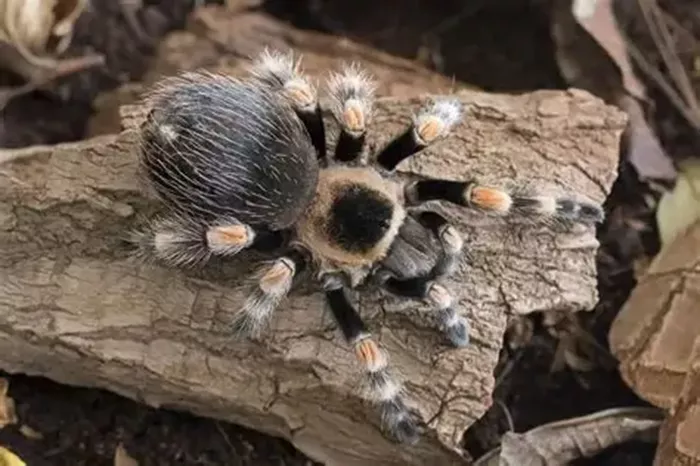
Mexican Red Knee Tarantulas, scientifically known as Brachypelma smithi, are one of the most popular pet tarantula species. With their striking orange-red markings and docile nature, they make an ideal choice for many arachnid enthusiasts. But one common question that arises about these fascinating creatures is: Are Mexican Red Knee Tarantulas nocturnal?
In this article, we will delve into the nocturnal behavior of these spiders, explore how they interact with their environment, and uncover the truth behind their nighttime activities.
Understanding Tarantula Behavior
Before we dive into whether Mexican Red Knee Tarantulas are nocturnal, let’s first understand what being “nocturnal” means. Simply put, nocturnal animals are creatures that are most active during the night, often sleeping or resting during the day.
For many animals, nocturnal activity is an adaptation to their environment. It can help them avoid predators, regulate temperature, or hunt more effectively when food is more abundant. Tarantulas, including the Mexican Red Knee, are known for being crepuscular or nocturnal, meaning they are most active during the twilight hours of dawn and dusk, as well as during the night.
Mexican Red Knee Tarantulas: Nocturnal by Nature
Now, back to our question—are Mexican Red Knee Tarantulas nocturnal? The simple answer is yes. Mexican Red Knee Tarantulas are predominantly nocturnal creatures. These spiders are natural hunters and scavengers, relying on their keen senses to detect vibrations and movements in their surroundings. In the wild, they spend much of their time in burrows or hidden in foliage, waiting for prey to come close during the night. Their nocturnal behavior is a survival mechanism, as the night offers them cooler temperatures and a more relaxed environment to hunt for food.
Why Are Mexican Red Knee Tarantulas Nocturnal?
Tarantulas, including the Mexican Red Knee, have evolved to be most active at night for several reasons:
Avoiding Predators: Many predators, such as birds and larger reptiles, are diurnal (active during the day). By being nocturnal, Mexican Red Knee Tarantulas avoid the peak activity times of these potential threats.
Temperature Regulation: Tarantulas are ectothermic (cold-blooded) animals, meaning their body temperature depends on their surroundings. The cooler temperatures at night help prevent them from overheating. As a result, they prefer to hunt when the environment is cooler and more favorable to their well-being.
Increased Hunting Opportunities: At night, insects and other prey are more active, giving these tarantulas the best chance to find food. Their exceptional sense of touch, aided by tiny hairs on their legs, allows them to detect vibrations in the ground as prey approaches, even in the dark.
What Do Mexican Red Knee Tarantulas Do During the Day?
During the day, Mexican Red Knee Tarantulas tend to rest in their burrows, hidden from potential dangers. They are solitary creatures and prefer to stay secluded in their shelters. If kept as pets, these tarantulas will often spend most of their time in their hides or under objects like rocks or logs. While they are not technically “sleeping” during the day, they are inactive and remain in a state of rest, conserving energy for their nightly hunts.
This preference for resting during the day aligns with the behavior of other nocturnal tarantulas, who are adapted to avoid the harsh light and heat of the daytime hours.
What Happens When They’re Not Active?
While their most notable activity happens during the night, it’s important to remember that Mexican Red Knee Tarantulas do not require constant activity. Their metabolism is slow, and they can go for days without eating. They also don’t need to constantly roam, so even though they’re nocturnal, they won’t necessarily be running around all night. Instead, they’re likely to be found sitting still, waiting for prey or investigating their surroundings.
How to Care for Mexican Red Knee Tarantulas at Home
If you own a Mexican Red Knee Tarantula, it’s important to cater to its nocturnal lifestyle. Here are a few tips to ensure your tarantula thrives in your care:
Provide a Hide: Tarantulas love to hide, especially during the daytime. Make sure their enclosure includes plenty of hideouts, such as pieces of bark, rocks, or hollow logs. This gives them a place to retreat when they’re not feeling social.
Respect Their Schedule: As tempting as it may be to watch your tarantula during the day, remember that they are more likely to be active at night. So, if you want to observe your tarantula in action, be patient and give them space during daylight hours.
Optimal Temperature and Humidity: Just like in the wild, your tarantula will appreciate a cooler environment during the day and night. Aim for a temperature of about 75°F to 85°F during the day and a slightly cooler temperature at night. Humidity levels should be around 60-70% to mimic their natural habitat.
Feeding and Watering: You don’t need to feed them every day, but ensure there’s always access to water and that their food is offered during their active hours—usually at night. You’ll find your tarantula hunting after dark, so provide insects like crickets, mealworms, or roaches that they can stalk and capture.
Do They Always Stick to Their Nocturnal Schedule?
While Mexican Red Knee Tarantulas are predominantly nocturnal, they can sometimes be active during the day if the conditions are right. For instance, if they are hungry or if the enclosure’s temperature is higher than usual, they may adjust their behavior. Some tarantulas might even become more active during the daytime if they sense an opportunity for food. However, these instances are rare and typically occur in captivity rather than in the wild.
Fun Facts About Mexican Red Knee Tarantulas
Long Lifespan: Mexican Red Knee Tarantulas can live for up to 30 years in captivity, making them a long-term commitment for pet owners.
Docile Nature: Unlike some tarantula species, Mexican Red Knees are known for their calm and docile temperament, which makes them a great choice for first-time tarantula owners.
Moulting: Like all tarantulas, Mexican Red Knees will molt several times during their lifespan. They shed their exoskeleton to grow, a process that can take several days. During this time, they are particularly vulnerable and prefer to remain hidden.
Conclusion
In conclusion, Mexican Red Knee Tarantulas are indeed nocturnal creatures by nature. They are most active during the night when temperatures are cooler, and prey is more abundant. While they may occasionally adjust their behavior depending on their environment, you can expect them to follow a nocturnal lifestyle both in the wild and in captivity. If you’re caring for one of these fascinating tarantulas, remember to respect their need for rest during the day and allow them the space to express their natural behaviors at night.
Related topics: