
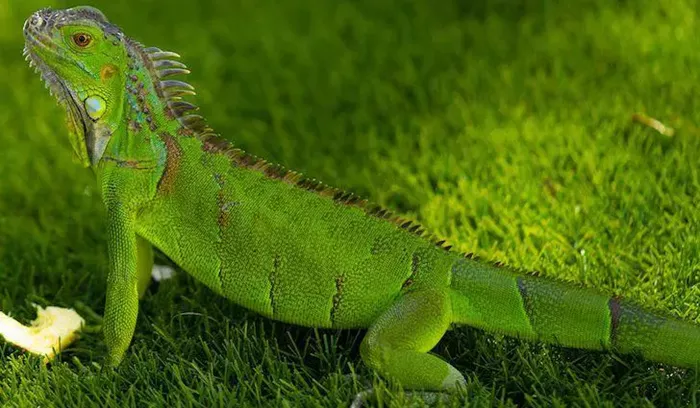
Iguanas, particularly the Green Iguana (Iguana iguana), have become one of the most popular reptiles in the pet trade. Known for their striking appearance, long tails, and calm demeanor, many reptile enthusiasts are drawn to these creatures as potential pets. However, owning an iguana comes with specific responsibilities, unique challenges, and significant considerations. Before deciding to bring one into your home, it’s essential to understand their needs, lifestyle requirements, and the reality of caring for them.
This article delves into whether iguanas make good pets by discussing their care needs, temperament, diet, habitat, and potential risks. We’ll explore both the benefits and challenges of keeping an iguana as a pet, so you can make an informed decision.
What is an Iguana?
Iguanas belong to the family Iguanidae, with over 40 species. The most commonly kept as pets is the Green Iguana. Native to Central and South America, these reptiles are typically arboreal, meaning they spend a lot of their time in trees. They are herbivores in the wild, eating leaves, fruits, and flowers. As pets, however, they require more than just food and water; they need specific care and attention to thrive in a domestic environment.
Iguanas are not small reptiles. In fact, they can grow up to 6 feet in length, including their tails, and can weigh over 15 pounds. Their size, strength, and specific habitat needs are essential considerations before adopting one.
Are Iguanas Good Pets for Beginners?
When considering an iguana as a pet, it’s important to assess whether you have the experience or commitment needed to care for one. Iguanas are not typically recommended for beginners due to their complex needs. They require a very specific environment, a balanced diet, and plenty of space to roam.
For someone new to reptiles, an iguana might be a difficult pet to care for. They require specialized care, including appropriate lighting, temperature, and humidity conditions. Improper care can lead to health problems such as metabolic bone disease, shedding issues, and digestive problems.
However, for those willing to learn and invest time in proper care, iguanas can be fascinating pets. They are highly intelligent creatures that can form bonds with their owners, recognize them, and respond to handling.
Habitat Needs of Iguanas
Providing the right habitat is one of the most important aspects of caring for an iguana. These reptiles need a large space to move around, climb, and explore. A small cage is insufficient, even for baby iguanas. Adult iguanas require a minimum of a 6-foot-long enclosure, with additional height for climbing and perching.
The habitat should mimic their natural environment as much as possible. This includes:
Lighting: Iguanas need UVB lighting to produce vitamin D3, which is essential for calcium absorption. Without UVB light, they can develop metabolic bone disease.
Temperature: A gradient temperature in their habitat is crucial. Iguanas need a basking area that is around 95-100°F (35-38°C) and a cooler side of the enclosure at 75-85°F (24-29°C).
Humidity: Iguanas thrive in high humidity, ideally around 60-80%. Dry environments can cause dehydration and skin shedding issues.
Climbing Structures: Iguanas are natural climbers, so their enclosure should have branches, shelves, or platforms where they can climb, rest, and feel secure.
Diet of Iguanas
A proper diet is critical to the health and well-being of an iguana. In the wild, iguanas are herbivores, eating a variety of leaves, fruits, and flowers. As pets, it’s important to replicate this diet by providing a variety of fresh vegetables and leafy greens.
Some of the most beneficial foods for iguanas include:
−Leafy greens such as collard greens, dandelion greens, and mustard greens.
−Vegetables like squash, carrots, and sweet potatoes.
−Fruits such as mango, papaya, and berries, though they should be given sparingly due to their high sugar content.
−Avoid feeding them animal protein or foods high in oxalates, such as spinach and rhubarb, which can interfere with calcium absorption.
Calcium and vitamin D3 supplements are also essential to prevent metabolic bone disease and ensure strong bones. Proper nutrition will keep your iguana healthy and vibrant.
Temperament and Behavior of Iguanas
Iguanas are typically calm and docile creatures, but they can become aggressive if they feel threatened or stressed. It’s important to understand their behavior to avoid problems.
In the wild, iguanas are solitary and territorial. They might not enjoy being handled too often, especially if they aren’t used to it. As pets, iguanas can form bonds with their owners, but they require gentle and consistent handling. Never force an iguana to be held if it seems uncomfortable, as this can lead to stress or defensive behavior.
Iguanas may also exhibit some territorial behavior, especially during breeding season. They may become more aggressive if they feel their space is being invaded. It’s important to respect their space and approach them with calmness and patience.
Potential Health Issues of Iguanas
Like all reptiles, iguanas are prone to specific health issues, many of which are related to improper care. Some common health problems include:
Metabolic Bone Disease (MBD): This is a result of a poor diet or lack of UVB light, leading to calcium deficiency. It can cause weakness, deformities, and even death.
Obesity: If fed too much high-fat food or not enough exercise, iguanas can become overweight, leading to further health complications.
Parasites: Iguanas can harbor internal parasites, which may lead to digestive problems or weight loss.
Respiratory Infections: If their environment is too cold or not humid enough, iguanas are susceptible to respiratory infections.
Regular veterinary check-ups are essential to detect and treat any potential health problems early.
Costs of Owning an Iguana
Before acquiring an iguana, it’s essential to consider the costs associated with their care. An iguana can live for 20 years or more, so the financial commitment is significant.
Here are some of the costs you may encounter:
Initial Setup: A proper enclosure, heating, lighting, and climbing structures can cost between $200 and $500.
Ongoing Care: Monthly expenses for food, supplements, and electricity for lighting and heating.
Veterinary Care: Regular vet check-ups, especially for reptiles, may cost anywhere from $50 to $200 per visit, depending on the complexity of the care required.
While iguanas themselves are not particularly expensive to purchase (often ranging from $30 to $100), the overall costs of maintaining their habitat and health add up over time.
Are Iguanas Good Pets for Children?
Iguanas are not the best pets for young children. While they are generally docile, their large size and strength can make them difficult to handle. Furthermore, they require delicate care and attention, which may be beyond the responsibility of a child.
Older children, especially those with an interest in reptiles, may be able to handle iguanas with supervision, but the task of maintaining their proper habitat and diet should fall to the parents. It’s important to teach children how to properly handle an iguana and respect its space.
The Pros of Owning an Iguana
Despite the challenges, iguanas can make fascinating and rewarding pets. Some of the pros include:
Long Lifespan: Iguanas can live for 15-20 years, giving you many years of companionship.
Intelligence: Iguanas are intelligent animals capable of recognizing their owners and even responding to their name.
Low Maintenance Diet: Unlike many pets that require daily feeding of meat, iguanas are herbivores and require a plant-based diet that’s relatively easy to prepare.
Calm Nature: When well cared for, iguanas can be calm and content in their environment.
The Cons of Owning an Iguana
However, the cons of owning an iguana cannot be ignored. Some of the challenges include:
Large Space Requirements: Iguanas require large enclosures, and as they grow, their space needs increase.
High Maintenance: Iguanas need specific care, such as UVB light, temperature control, and a consistent diet, which requires time, effort, and knowledge.
Cost: The initial setup and ongoing care can be expensive, especially with the need for regular veterinary visits.
Aggressive Behavior: Although many iguanas are calm, some can be territorial and aggressive, especially if they feel threatened.
Conclusion:
Iguanas can make excellent pets for the right person. They are fascinating, intelligent, and unique creatures that, with proper care, can live long and healthy lives. However, they are not for everyone. Potential owners should be fully prepared for the responsibility, cost, and time commitment involved in keeping an iguana as a pet.
For beginners or families with young children, iguanas may not be the best choice. But for experienced reptile owners or those willing to learn, an iguana can be a rewarding and engaging pet. If you’re ready to meet their needs, an iguana can be a loyal companion for many years.
Related topics: