
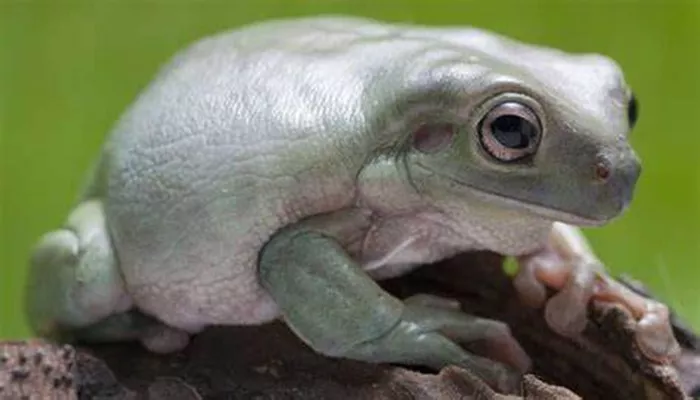
White tree frogs, also known as Litoria caerulea, are among the most popular amphibian pets in the exotic animal trade. Their calm temperament, comical appearance, and relatively simple care requirements make them appealing to both beginners and seasoned herpetology enthusiasts. However, despite their popularity, many new owners are surprised to discover that the real cost of owning a white tree frog extends far beyond its initial purchase price.
In this article, we will examine the full range of expenses associated with owning a white tree frog. We will consider not only the cost of the frog itself but also the necessary investments in housing, equipment, feeding, and long-term care. By the end, readers should have a clear understanding of what it truly takes—financially and practically—to keep this species healthy and happy in captivity.
Understanding the Species Before the Purchase
Before discussing money, it is important to understand the nature of the animal you intend to bring into your home. The white tree frog is a medium-sized, arboreal species native to the rainforests of northern and eastern Australia, as well as parts of New Guinea and Indonesia. It thrives in humid, warm environments and is most active at night.
What sets this frog apart from many other amphibians is its docile, almost tame personality. It tolerates gentle handling, displays curiosity about its surroundings, and can live for well over a decade if properly cared for. These qualities make it a favorite choice among exotic pet keepers. But they also create a misconception that owning one is simple or cheap, which is far from accurate.
The Cost of the Frog Itself
The first cost you will encounter is the frog itself. White tree frogs are widely available through pet stores, reptile expos, online breeders, and specialized amphibian dealers. Prices can vary significantly based on several factors. The age of the frog is one of the key influences; younger frogs usually cost less than fully grown adults. Juvenile frogs may be priced between $25 and $50, while adults, particularly those close to breeding age, can cost between $40 and $75.
Another factor is coloration. Some white tree frogs have a slightly bluish or turquoise tint, which can be more desirable to certain buyers. These individuals are often sold at a premium, with some reaching prices of $100 or more depending on demand and rarity.
The breeding background of the frog also plays a role in pricing. Captive-bred frogs tend to cost more than wild-caught specimens, but they are generally healthier, better acclimated to captivity, and less likely to carry parasites or diseases. Most ethical breeders and stores today focus exclusively on captive-bred individuals for these reasons.
If buying online, shipping is another cost to consider. Shipping live animals requires special packaging and usually overnight delivery. The shipping cost alone may add an extra $30 to $60 to your total.
Housing: The Real Financial Commitment
While the frog’s price may seem affordable, setting up its habitat is a much more substantial investment. Unlike mammals or birds, amphibians rely heavily on environmental conditions to survive. Any shortcomings in temperature, humidity, or cleanliness can quickly lead to stress, illness, or even death.
A single white tree frog should be housed in a vertical terrarium, as the species spends most of its life climbing. A tank with dimensions similar to a 20-gallon tall aquarium is typically sufficient for one frog, but larger enclosures are preferable if you plan to house multiple individuals or want to create a more naturalistic habitat. A high-quality terrarium suitable for a tree frog can cost anywhere from $80 to $150 depending on size and features.
The inside of the tank must be designed to mimic the frog’s natural environment. This includes moisture-retaining substrate such as coconut fiber or sphagnum moss, climbing surfaces like cork bark or driftwood, and plenty of plant cover. These additions are not optional; they play a critical role in the frog’s physical and psychological health. Purchasing and arranging these components may add another $50 to $100 to your setup cost.
Maintaining proper temperature and humidity is also essential. White tree frogs do best in daytime temperatures of 75 to 85 degrees Fahrenheit, with slightly cooler nighttime temperatures. A gentle heat source, such as a low-wattage heat lamp or under-tank heating pad, is usually needed. A thermostat is highly recommended to avoid overheating. Maintaining humidity between 50 and 70 percent requires frequent misting, either by hand or through an automatic system. All of this equipment—heating elements, misting tools, hygrometers, and thermometers—can easily cost an additional $50 to $100 or more.
Lighting is another consideration. Although white tree frogs do not absolutely require UVB lighting, providing a regular day-night cycle using a simple LED or low-wattage daylight bulb can improve their activity levels and overall health. A lamp fixture and suitable bulb may cost another $30 to $50.
Once you add it all together, the full habitat setup—including the terrarium, furnishings, and equipment—can range from $250 to $500 depending on your choices. And this is only the beginning.
Feeding and Nutritional Expenses
Feeding a white tree frog is relatively straightforward, but not without cost. These frogs are insectivores, and their diet should consist mainly of live insects such as crickets, roaches, and occasionally waxworms or hornworms. The insects must be appropriately sized and gut-loaded, meaning they are fed nutritious food before being offered to the frog. This ensures the frog receives the necessary vitamins and minerals from its prey.
In addition to gut-loading, insects should be dusted with calcium and vitamin D3 supplements to prevent metabolic bone disease. You may also need to supplement with a multivitamin powder once or twice per week.
The cost of live insects varies depending on how many frogs you are feeding and how often. For a single adult white tree frog, the monthly cost of live insects may range from $15 to $30. Supplements add another $5 to $10 per month, though they tend to last longer since they are used in small amounts.
Feeding frequency varies with age and health. Juvenile frogs need to eat nearly every day, while healthy adults can be fed every two to three days. This routine feeding schedule must be maintained year-round and may increase during breeding attempts or periods of rapid growth.
Long-Term Maintenance and Veterinary Care
Over time, various components of the frog’s environment will need maintenance or replacement. Substrate should be spot-cleaned regularly and fully replaced every few weeks to prevent bacterial buildup. Decorations may need to be cleaned or rotated, and heating or lighting components can burn out or fail. These ongoing maintenance tasks may seem minor but can add up. On average, owners should budget at least $100 to $150 per year for routine replacements and supplies.
Another often-overlooked aspect of frog ownership is veterinary care. Although white tree frogs are hardy animals, they are not immune to illness. Poor husbandry, contaminated food, or environmental stress can lead to conditions such as skin infections, bloating, or respiratory issues. These require prompt treatment by a veterinarian experienced in exotic or amphibian medicine.
Veterinary visits for exotic pets are usually more expensive than standard cat or dog appointments. A basic wellness exam may cost $60 to $100, while diagnostic testing, medication, or emergency care can quickly exceed $200 per visit. While many frog owners may go years without needing a vet, it is wise to set aside funds in case of emergencies.
The Full Picture: Lifetime Costs and Considerations
When considering the total cost of owning a white tree frog, it helps to think beyond individual purchases and instead look at the full life cycle of the pet. With proper care, these frogs can live for 10 to 15 years or more. Over that time, even modest monthly costs can accumulate into a significant investment.
For example, assuming an average setup cost of $400, monthly food and maintenance costs of $30, and periodic veterinary visits, the total expense over a 10-year period could easily surpass $4,000. This estimate does not include optional additions such as enclosure upgrades, backup equipment, or enrichment items like live plants and naturalistic decorations.
Of course, costs may vary by region and availability of supplies. In some countries, exotic animal equipment and veterinary services are significantly more expensive. In others, local breeders or enthusiast communities may help reduce costs through trade or knowledge-sharing.
Is It Worth the Cost?
For the right person, owning a white tree frog is absolutely worth the expense. These frogs are charming, intelligent, and surprisingly expressive. They are relatively quiet, require less space than many reptiles, and have personalities that can truly engage their owners. Unlike many pets, they do not demand constant attention, yet they provide consistent enjoyment and wonder.
However, they are not a suitable pet for everyone. Their care requires consistency, patience, and a willingness to invest in proper equipment and upkeep. They are not “starter pets” for small children, nor are they disposable animals to be kept without forethought. Like all living creatures, they deserve respect, commitment, and a suitable environment.
Conclusion
A white tree frog may cost only $30 or $50 to purchase, but the full responsibility of ownership is far greater. By the time you have created a safe and comfortable habitat, begun a proper feeding routine, and accounted for long-term care, the total investment grows into the thousands. Yet for those who are genuinely interested in amphibians and ready to make that commitment, the rewards are substantial.
These delightful animals offer not just companionship but a window into the natural world—one that climbs, croaks, and occasionally smiles from the safety of a terrarium corner. If you’re ready to care for them as they deserve, the cost will feel like a small price to pay for years of fascination and joy.
Related topics: