
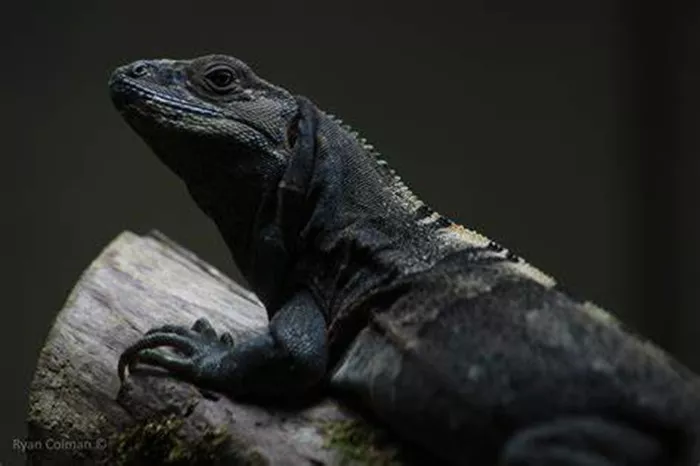
Iguanas are fascinating creatures known for their impressive size, unique features, and vibrant colors. One of the most interesting aspects of iguana behavior is their ability to change color, particularly turning black under certain circumstances. While this color change might seem strange or alarming to the untrained eye, it serves several purposes related to the iguana’s health, environment, and behavior. Understanding why iguanas turn black requires a deep dive into their biology, environmental factors, and their communication systems. This article will explore these areas in detail, offering insight into why iguanas might turn black and what it means for their well-being.
Introduction to Iguana Coloration and Behavior
Color change in iguanas is not as simple as it may appear. Unlike chameleons, which are famous for their dramatic color shifts, iguanas’ color changes are typically less pronounced but still significant. These changes are often triggered by a combination of internal and external factors. The most common color shift observed in iguanas is the transition to darker shades, often turning the skin black or dark brown.
This phenomenon can happen in both wild and captive iguanas, and it is important to understand the causes behind these color changes to ensure the iguana’s health and comfort. In many cases, turning black is a natural response to environmental conditions or stressors. However, it can also indicate a health problem that requires attention.
In this article, we will break down the various factors that cause iguanas to turn black, from environmental influences to physiological and behavioral causes.
Environmental Factors: Temperature and Light Exposure
Iguanas, like many reptiles, are ectothermic, meaning they rely on external sources of heat to regulate their body temperature. Temperature plays a significant role in their coloration, especially when they need to warm up their bodies. One of the main reasons iguanas turn black is to absorb more heat. Black absorbs more light and heat than lighter colors, so when an iguana feels cold, it may darken its skin to maximize heat absorption.
Temperature Regulation
In colder environments or during cooler parts of the day, an iguana might turn darker to increase heat absorption. This is especially true in the wild, where temperature fluctuations are common. The black coloration helps the iguana bask more effectively and raises its body temperature, which is vital for its metabolic functions.
In captivity, improper temperature regulation can also cause this reaction. If an iguana’s enclosure is not equipped with a proper heat source, it may attempt to compensate by turning darker. Without adequate basking areas, iguanas are unable to regulate their body temperature efficiently, which can lead to stress and discomfort.
UV Light Exposure
In addition to temperature, ultraviolet (UV) light plays a crucial role in the health of iguanas. UVB radiation is essential for synthesizing vitamin D3, which helps in calcium absorption and bone health. If an iguana is not receiving enough UVB light, it may become stressed and its skin may darken. This can also lead to more serious health problems like metabolic bone disease.
In some cases, iguanas may turn black when they are exposed to intense UV light as a way of avoiding excessive sun exposure. By darkening their skin, they may attempt to shield themselves from the harmful effects of too much light.
Social and Behavioral Factors: Stress and Communication
Iguanas are territorial creatures and can experience stress due to changes in their environment, the presence of other animals, or even interaction with humans. Stress is one of the primary behavioral causes of color change in iguanas. When an iguana feels threatened or uncomfortable, its body may react by turning black, a defense mechanism to signal aggression or distress.
Territorial Disputes and Aggression
In the wild, male iguanas often turn darker during mating seasons or when they are involved in territorial disputes. Darkening their skin is a sign of dominance and aggression, and it serves as a warning to other males or potential rivals. The darker the coloration, the more intimidating the iguana may appear to others.
In captivity, iguanas may turn black due to similar reasons. They may feel threatened by other pets or humans in their enclosure, especially if they are not used to their presence. This color change acts as a display of aggression or an attempt to ward off perceived threats.
Stress from Handling and Environmental Changes
Iguanas are sensitive to changes in their environment. Moving to a new location, changes in diet, or even being handled too often can lead to stress. Stress is one of the most common triggers for iguanas turning black. If an iguana is constantly stressed, it can lead to long-term health issues, including weight loss, lethargy, and even death.
Captive iguanas, in particular, are more likely to turn black as a response to handling by humans. They may feel threatened or unsafe, leading them to darken their skin as a sign of fear or distress. In these situations, it is crucial to ensure that the iguana feels secure in its environment to prevent unnecessary stress.
Health-Related Factors: Illness and Infections
Color changes in iguanas can also be an indication of underlying health issues. If an iguana is turning black and showing signs of lethargy, weight loss, or other abnormal behaviors, it may be suffering from an illness or infection.
Respiratory Infections
One of the most common health issues in iguanas that causes color changes is respiratory infections. When an iguana has a respiratory infection, its body becomes stressed, and it may turn darker as a result. Respiratory issues in iguanas are often linked to poor environmental conditions, such as improper temperature, humidity, or ventilation in their enclosure.
Dehydration and Malnutrition
Dehydration and malnutrition are other common health problems that can cause iguanas to turn black. These conditions lead to stress in the iguana’s body, which can result in color changes. A lack of proper hydration or nutrition can also make the iguana more vulnerable to infections and other diseases.
In some cases, iguanas may appear black due to a lack of proper calcium intake, leading to metabolic bone disease. This disease weakens the bones and can cause significant physical changes, including changes in skin coloration. If left untreated, it can be fatal.
Conclusion: Understanding and Managing Iguana Color Change
Iguanas turning black is a natural response to a variety of factors, including environmental conditions, stress, and health issues. In most cases, black coloration is temporary and serves a functional purpose, such as absorbing more heat or signaling aggression. However, if an iguana remains black for an extended period or shows signs of ill health, it is crucial to assess its environment and seek veterinary care if necessary.
For iguana owners, understanding the causes behind color changes can help ensure that their pets remain healthy and comfortable. By providing a suitable environment with proper temperature, UV lighting, and a stress-free habitat, owners can help prevent many of the issues that cause iguanas to turn black.
Ultimately, while iguanas may turn black for various reasons, it is important to monitor their behavior and overall health to determine the cause. With the right care and attention, iguanas can live long, healthy lives and continue to fascinate us with their unique behaviors and adaptations.
Related topics: