
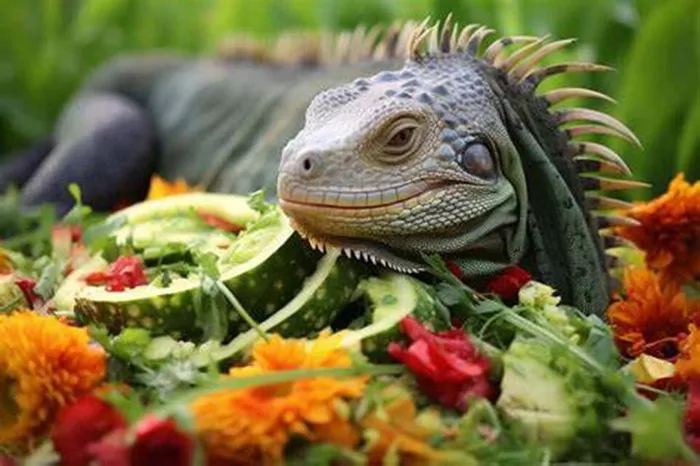
Iguanas are fascinating reptiles known for their striking appearance, unique behaviors, and distinct dietary needs. Native to Central and South America, iguanas are herbivores by nature, with specific preferences when it comes to the foods they consume. Understanding the dietary habits of iguanas is crucial for anyone interested in keeping these animals as pets or for those studying reptiles in the wild. A well-balanced diet is essential to an iguana‘s health, helping to prevent obesity, metabolic bone disease, and other health problems.
This article will explore what iguanas like to eat, with a focus on the foods that best suit their nutritional needs. We will also dive into the types of plants and vegetables that are safe for iguanas, the importance of proper hydration, and some dietary mistakes that should be avoided.
The Natural Diet of Iguanas
In the wild, iguanas are primarily herbivores, although some species may occasionally consume small insects or animal matter. Their diet consists mostly of leaves, flowers, fruits, and a variety of other plant matter. An iguana’s digestive system is specially adapted to break down and absorb nutrients from these plant materials, which are rich in fiber and essential vitamins.
In their native habitat, iguanas are commonly found in tropical and subtropical regions, where they have access to an abundant variety of vegetation. The types of plants they eat depend on the region they inhabit, but the general principle remains the same: iguanas prefer leafy greens, flowers, and fruits, with a particular fondness for foods that are high in calcium and other nutrients.
The Importance of Leafy Greens
Leafy greens form the foundation of an iguana’s diet. These vegetables are essential because they provide a high amount of fiber, which is crucial for proper digestion and preventing obesity. High-quality leafy greens also contain important vitamins and minerals that iguanas need to thrive.
Common leafy greens that iguanas enjoy include:
Collard greens: A popular choice for iguanas, rich in calcium and fiber.
Mustard greens: Full of vitamins A and C, these greens help support the iguana’s immune system.
Turnip greens: They provide good levels of calcium, potassium, and vitamins.
Dandelion greens: These are another excellent source of calcium and vitamins.
It’s important to feed iguanas a variety of leafy greens to ensure they receive a wide range of nutrients. Some leafy greens, such as spinach and beet greens, contain oxalates, which can interfere with calcium absorption, so they should be fed in moderation.
Flowers and Blossoms
In the wild, iguanas are known to consume a variety of flowers and blossoms. These foods are not only tasty for iguanas but also provide important antioxidants and other beneficial compounds. Flowers like hibiscus, dandelions, and roses are particularly enjoyed by iguanas.
Feeding iguanas flowers is an excellent way to add variety to their diet and provide them with essential vitamins and minerals. However, it’s important to avoid using flowers that have been treated with pesticides, as these can be harmful to iguanas.
Fruits as a Treat
Although iguanas are primarily herbivores, they do enjoy fruits as occasional treats. Fruits are a good source of natural sugars, vitamins, and antioxidants. However, they should be given in moderation due to their high sugar content, which can lead to obesity if fed in excess.
Common fruits that iguanas like to eat include:
Mangoes: A favorite of many iguanas, packed with vitamin C and A.
Papayas: High in enzymes and vitamins that help support digestion.
Strawberries: Rich in vitamin C and low in sugar, they are a healthy treat.
Bananas: These are high in potassium but should be given in moderation due to their sugar content.
It’s crucial to remember that fruits should only be fed as occasional treats, not a staple of the iguana’s diet. Excessive fruit consumption can lead to digestive issues and other health problems.
Vegetables for Iguanas
While leafy greens are essential, a well-rounded diet for an iguana also includes other vegetables. These provide essential nutrients and add variety to their meals. Vegetables should be given daily, alongside leafy greens, to provide a balance of vitamins and minerals.
Here are some vegetables that iguanas enjoy and are safe to eat:
Squash: A great source of vitamins A and C, squash is a tasty and nutritious vegetable.
Zucchini: This mild-tasting vegetable is rich in water content and is great for hydration.
Cucumber: Another high-water vegetable, cucumber helps keep iguanas hydrated.
Carrots: Rich in beta-carotene, carrots can be a good source of vitamin A, but should be given in moderation.
It’s important to chop these vegetables into manageable pieces to make it easier for iguanas to consume. Additionally, vegetables should be fresh and free of pesticides.
Calcium and Vitamin D3: The Essential Nutrients
Calcium is a crucial nutrient for iguanas, especially in terms of maintaining bone health and avoiding metabolic bone disease. Iguanas, like all reptiles, require calcium in their diet to maintain strong bones and healthy organ function. Without enough calcium, they can develop serious health issues, such as soft bones or paralysis.
Calcium is found in various leafy greens, but sometimes it is necessary to supplement the diet with calcium powder to ensure iguanas are getting enough. When offering calcium supplements, it’s important to also provide vitamin D3, which helps the iguana absorb and use calcium effectively. Without vitamin D3, the iguana may not be able to properly process calcium, even if it is consumed in sufficient quantities.
The Role of Hydration in an Iguana’s Diet
Iguanas are known to drink a lot of water, particularly in hot weather or after consuming dry foods. Staying hydrated is vital to an iguana’s health, as dehydration can lead to kidney problems and other health issues. While iguanas get some hydration from the fruits and vegetables they eat, it is important to provide fresh water at all times.
Additionally, iguanas enjoy bathing in water, which helps them stay hydrated and maintain healthy skin. Offering a shallow dish of water for them to soak in can also aid in hydration.
What Should Be Avoided in an Iguana’s Diet?
While there are many foods that iguanas love to eat, there are also some foods that should be avoided due to their potential harm to the iguana’s health. These foods can cause digestive issues, toxicity, or an imbalance in the iguana’s nutritional intake.
Some foods to avoid include:
Lettuce: While not harmful in small quantities, lettuce has little nutritional value and can lead to diarrhea when fed in excess.
Avocados: These are toxic to iguanas and should never be fed to them.
Citrus fruits: High in acidity, citrus fruits like oranges and lemons can cause digestive upset and discomfort in iguanas.
Processed foods: Anything that is high in fat, salt, or artificial ingredients should be avoided.
Feeding iguanas a well-balanced diet that excludes these harmful foods is key to ensuring they remain healthy and strong.
Conclusion
Iguanas have specific dietary requirements that must be met for them to thrive. Their preference for leafy greens, flowers, fruits, and vegetables is rooted in their natural herbivorous diet. Offering a variety of these foods ensures they receive the essential vitamins, minerals, and fiber needed for proper digestion, bone health, and overall well-being.
While fruits and flowers make excellent occasional treats, it is essential to base the majority of their diet on leafy greens and vegetables. Regular access to fresh water and occasional calcium supplements will also contribute to maintaining the iguana’s health.
Avoiding harmful foods and ensuring that the iguana’s diet is varied and balanced is crucial for its longevity and quality of life. By understanding what iguanas like to eat, you can provide the best care for these incredible reptiles, whether in the wild or as a beloved pet.
Related topics:
- Black Iguana: From King of the Rocks to Ecological Guardian
- Why Komodo Dragons Are Only Found in Indonesia
- Why There Are Black Iguanas in Costa Rica