
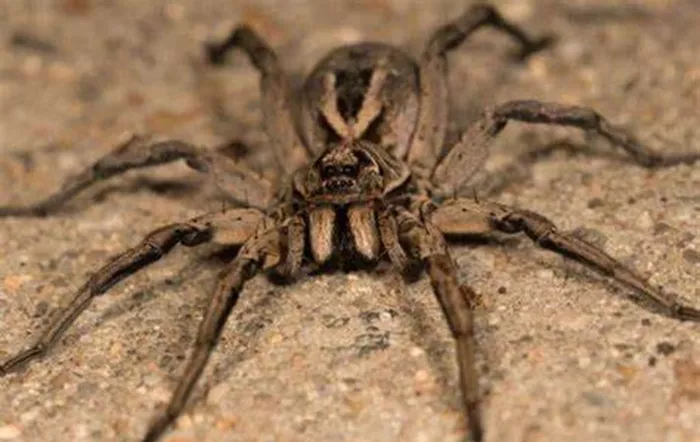
Spiders are a diverse group of animals. They live almost everywhere on Earth. There are over 48,000 known species of spiders. Most spiders are harmless and avoid humans. However, some spiders can show aggressive behavior. Aggressiveness in spiders can mean they are more likely to bite or defend their territory actively. This article explores the question: What is the most aggressive spider?
We will look at spider behavior, what makes a spider aggressive, and focus on some of the species known for their aggressive nature. The goal is to give a clear, simple, and detailed explanation of this topic.
What Does “Aggressive” Mean for a Spider?
Aggression in animals usually means attacking or defending with force. For spiders, aggression means how likely they are to bite when disturbed or threatened. Some spiders run away when scared. Others may stand their ground and attack quickly.
Aggressiveness also depends on the spider’s environment and behavior. For example, some spiders only bite if they feel trapped. Others may attack even when not provoked. Scientists study spider aggression by observing how they respond to threats in the wild or in the lab.
Factors Affecting Spider Aggression
Territory and Defense
Many spiders are territorial. They protect their webs or hunting grounds. If a spider feels its space is invaded, it might act aggressively. This includes threats from other spiders or animals, including humans.
Hunger and Mating
A hungry spider might be more aggressive as it seeks food. During mating season, male spiders may become more aggressive to compete for females. Female spiders guarding eggs or spiderlings may also show high aggression to protect their young.
Species and Evolution
Different spider species have evolved different defense and hunting strategies. Some rely on speed and escape, while others rely on strong venom and aggressive attacks. The evolution of aggression helps them survive and reproduce.
Common Misconceptions About Spider Aggression
Many people fear spiders because they believe all spiders are dangerous and aggressive. In reality, most spiders avoid humans and only bite when they feel threatened. Spider bites are usually a last resort defense.
Some spiders have venom that can harm humans, but only a few species are known for biting without provocation. Aggression does not always mean danger to humans; it often means the spider acts quickly to defend itself.
The Contenders for the Most Aggressive Spider
1. The Brazilian Wandering Spider (Phoneutria spp.)
The Brazilian wandering spider is often called the most aggressive spider in the world. It lives in South and Central America. This spider does not build webs to catch prey. Instead, it wanders on the forest floor hunting actively. It has a strong venom and is quick to bite.
What makes this spider aggressive is its behavior when disturbed. It raises its front legs as a warning and can strike fast. Reports show it can bite multiple times and will defend itself fiercely.
2. The Sydney Funnel-Web Spider (Atrax robustus)
Found only in Australia, the Sydney funnel-web spider is famous for its aggression and venom. It lives in burrows with funnel-shaped webs. When threatened, it becomes very defensive and can deliver a painful bite.
The Sydney funnel-web is aggressive towards humans and predators. It can bite repeatedly and holds on tightly. This spider’s venom can be deadly, making its aggression a serious threat.
3. The Six-Eyed Sand Spider (Sicarius spp.)
This spider lives in deserts and sandy areas. It is highly camouflaged and waits for prey. While it is less likely to bite humans due to its shy nature, when provoked, it can be very aggressive.
The six-eyed sand spider has potent venom that can cause severe tissue damage. Its defensive behavior is sudden and quick, marking it as one of the aggressive species in terms of reaction speed.
4. The Black Widow Spider (Latrodectus spp.)
The black widow is well known for its venom and aggressive defense. It lives in dark, sheltered places. When disturbed, females can bite quickly. Although shy by nature, the black widow’s bite is painful and dangerous.
Their aggressive behavior is usually triggered when their web is disturbed. Black widows can bite multiple times if they feel threatened.
Why Are These Spiders So Aggressive?
Spiders like the Brazilian wandering spider and Sydney funnel-web evolved in environments where threats were many. They developed aggression as a survival tool. Strong venom and fast attacks help them protect themselves from predators and competitors.
Their aggression also helps in hunting. Wandering spiders must catch fast prey without webs, so they need speed and boldness. Burrowing spiders like the funnel-web use aggression to guard their homes.
How Do Scientists Measure Spider Aggression?
Measuring aggression in spiders is tricky. Scientists use different tests, such as:
Threat response tests: Observing how spiders react to being touched or disturbed.
Bite frequency: Counting how many times a spider bites during a threat.
Posture and display: Noting warning signs like raised legs or fangs shown.
Venom potency: Studying how powerful the venom is and how spiders use it defensively.
These tests help compare species and understand their behavior better.
The Role of Venom in Aggression
Venom is a spider’s main defense and hunting tool. Aggressive spiders often have venom that acts fast and is strong. When a spider bites, venom can immobilize prey or cause pain to predators.
Venom strength often correlates with aggression. Spiders with weak venom usually rely on escape. Those with potent venom can afford to attack more boldly.
Are Aggressive Spiders Dangerous to Humans?
While aggressive spiders can bite humans, most bites are not fatal. However, bites can cause serious pain, swelling, and sometimes require medical attention. People living near these spiders should be cautious but not fearful.
Spiders usually bite humans by accident or when they feel trapped. Avoiding sudden movements near spiders and not disturbing their webs reduces bite risk.
How to Avoid Aggressive Spider Encounters
−Wear gloves and boots when working in spider habitats.
−Check shoes, clothes, and bedding before use.
−Keep homes clean and reduce clutter where spiders hide.
−Seal cracks and entry points in buildings.
−Learn to identify local aggressive spider species.
Being aware and cautious helps prevent unwanted encounters with aggressive spiders.
Conclusion
The question of the most aggressive spider leads us to some remarkable species like the Brazilian wandering spider and Sydney funnel-web. These spiders show quick, bold attacks and use strong venom to defend themselves.
Aggression in spiders is part of their survival strategy. It varies widely by species, environment, and situation. Most spiders are not aggressive toward humans and prefer to avoid conflict.
Understanding spider behavior helps reduce fear and promotes respect for these fascinating animals. They play important roles in ecosystems by controlling insect populations. Learning about the most aggressive spiders is just one part of appreciating their diversity and complexity.
Related topics: