
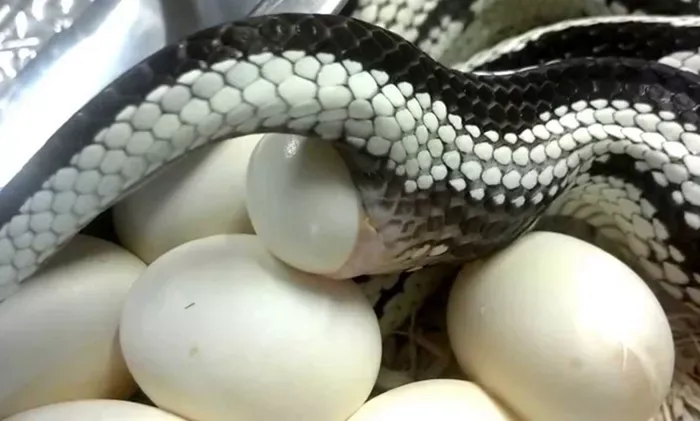
Have you ever wondered where snakes lay eggs? The answer is not as simple as you might think! As a zoologist specializing in reptiles, I’m excited to guide you through the fascinating world of snake reproduction. Let’s explore the hidden corners and surprising places where snakes choose to start new life. Don’t miss out—this journey is packed with amazing facts and easy-to-understand explanations!
Introduction to Snake Egg-Laying
Snakes, like many reptiles, reproduce by laying eggs. However, not all snakes lay eggs—some give birth to live young! Today, we’re focusing on those egg-laying species, known as “oviparous” snakes. Imagine a chicken finding a cozy spot for her eggs; snakes do something similar, but with their own reptilian twist.
Why do snakes lay eggs in particular places? Their choices are all about survival. The right location helps keep eggs safe from predators, ensures they’re warm enough to develop, and sometimes even provides moisture. According to the Smithsonian National Zoo (2022), egg-laying spots are crucial for the next generation’s survival.
Natural Nesting Sites: Underground Hideouts and Leafy Retreats
Most snakes prefer hidden or protected spots to lay their eggs. You might picture a bird’s nest high in a tree, but snake nests are usually much more secretive!
- Underground Burrows: Many snakes, such as rat snakes and king snakes, seek out abandoned rodent burrows or dig their own shallow holes. Think of these burrows as nature’s bunkers—cool, dark, and safe from wandering predators.
- Under Leaf Litter: Some species like the corn snake lay eggs under thick piles of leaves or decaying wood. This layer acts like a soft blanket, keeping the eggs moist and camouflaged.
- Inside Rotten Logs: Snakes like the pine snake love old logs. The wood provides both protection and humidity—like wrapping eggs in a damp towel! Real reptile keepers have found entire clutches (groups of eggs) tucked inside hollow logs in forests.
Temperature Matters: Warmth Is Key for Egg Development
Snakes are cold-blooded animals, meaning they rely on their environment to regulate body temperature. Their eggs need warmth to hatch successfully.
- Sun-Warmed Spots: Some tropical species choose sunny spots where the ground heats up during the day. For example, python mothers often wrap around their eggs and “shiver” to generate extra warmth—a behavior described by herpetologist Dr. Bruce Means (2018).
- Moisture Balance: Eggs can’t be too dry or too wet. Locations with moderate humidity help prevent dehydration or mold growth on the eggshells.
A keeper once joked that finding snake eggs is like hunting for hidden Easter treats—except these treats need just the right amount of sunlight and shade!
Do All Snakes Lay Eggs? Surprising Exceptions
While many reptiles lay eggs, some snake species break the mold:
- Live-Bearing Species: Boa constrictors and garter snakes give birth to live young instead of laying eggs. This adaptation allows them to thrive in cooler climates where egg incubation would be risky.
- Egg-Laying Champions: The Burmese python is famous for its huge clutches—sometimes up to 100 eggs at once! These pythons create elaborate nests and guard them fiercely until hatching.
Understanding these differences helps you appreciate how diverse reptiles really are.
How Do You Spot Snake Eggs? Identifying Clutches in Nature
Snake eggs look different from bird eggs—they’re usually soft-shelled and leathery rather than hard and brittle. Here’s what you might notice:
- Shape & Texture: Snake eggs are oval or elongated with a flexible shell.
- Color: Most are white or cream-colored, blending in with soil or leaves.
- Arrangement: Eggs are often laid together in a clutch; some mothers leave after laying, while others may stay close by.
If you ever stumble upon a mysterious group of soft white ovals underground or under leaves, you might have found a snake clutch! Awesome discovery!
Reptile Conservation: Why Protecting Nesting Sites Matters
Snake populations depend on safe nesting sites. Habitat loss due to urban development or agriculture can threaten these crucial places.
- Preserving Forest Floors: Conservationists work hard to protect forest leaf litter and logs where many snakes nest.
- Educating Communities: By teaching people about the importance of reptiles and their nesting habits, we help safeguard future generations of snakes.
Real-life anecdotes from field biologists show that protecting even small patches of wild habitat can make a big difference for local reptile populations (see National Geographic Reptile Reports, 2023).
Conclusion
Snakes lay their eggs in hidden places—from underground burrows to leafy forest floors—using nature’s own shelters for protection and warmth. Their choices reflect incredible adaptation skills that help their young survive against the odds. Whether you’re exploring your backyard or hiking through wild landscapes, keep an eye out for signs of reptile life—you just might uncover one of nature’s best-kept secrets!
By understanding where snakes lay eggs and why these locations matter so much, we gain new respect for these remarkable reptiles. Next time someone asks you about snake nests, you’ll have plenty of amazing facts to share!
Related topics: