
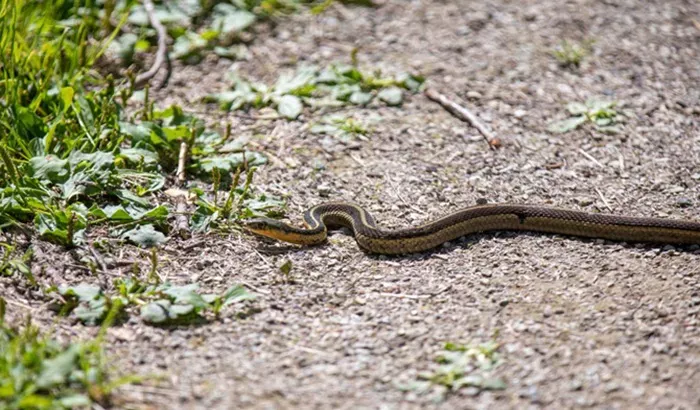
Have you ever wondered if snakes might be slithering quietly through your backyard? For many homeowners, the idea of encountering reptiles—especially snakes—in their personal outdoor space is both fascinating and a little unsettling. But how can you tell if these elusive creatures are actually around? This article unlocks the secrets to spotting signs of snakes in your yard. Don’t miss it—what you discover might surprise you!
Understanding Snakes: The Stealthy Reptile Neighbors
Snakes are masters of camouflage, blending into their surroundings like a hidden zipper on a jacket. As cold-blooded reptiles, they seek out warm spots or shady shelters depending on the weather, much like how you might move from a sunny patio to a cool porch. Most common yard visitors include garter snakes, rat snakes, and sometimes even the more mysterious copperhead. Recognizing these species is important for safety and peace of mind.
Fun Fact: According to renowned reptile keeper Emily Taylor, “Snakes are often more afraid of us than we are of them. They prefer to avoid humans whenever possible.”
Physical Clues: Tracks, Trails, and More
Just as you can spot tire tracks after someone drives across wet grass, snakes also leave behind subtle evidence. Look for winding trails in loose soil or sand—these snake tracks look like someone gently dragged a rope behind them. You may also find shed snake skins, which resemble inside-out socks left behind after a reptile has grown. These skins are often found near rocks, logs, or garden beds.
Snake Droppings: Nature’s Hidden Message
Snake droppings are another clue. Unlike the neat pellets left by birds or rodents, snake feces are often long and smeared, sometimes containing bits of fur or bone from their prey. Spotting these unusual droppings is like finding crumbs after a secret midnight snack—if you see them near your shed or under bushes, a snake may have visited.
Sounds and Movements: Listen Closely!
While snakes don’t bark or chirp, they do make subtle noises as they move through grass or leaves. Imagine the soft rustle you hear when someone walks through dry leaves in autumn—that’s often what a snake sounds like when it’s on the move. Some species, like rattlesnakes, announce themselves with a distinctive rattle (like shaking a baby’s toy), but most remain silent.
Watch for Sudden Movements
You might notice small animals acting strangely—birds swooping down and then scattering quickly or squirrels chattering nervously. These reactions can signal that a predator, such as a snake, is nearby. Nature’s alarm system is surprisingly reliable!
Hiding Spots: Where Do Snakes Like to Chill?
Snakes love places that offer shelter and food—think of them as choosing cozy hiding spots like we pick comfy chairs. Piles of wood, tall grass, rock gardens, and compost heaps are prime real estate for these reptiles. If you have dense shrubbery or cluttered corners in your yard, check carefully before reaching in.
Interesting anecdote: Herpetologist Mark O’Shea once found six garter snakes curled up under a single paving stone during spring cleaning!
Temperature Matters: When Are Snakes Most Active?
Snakes are cold-blooded reptiles; their activity depends on temperature. Early mornings and late afternoons during spring and summer are peak times for movement—much like how joggers prefer cooler hours for exercise. On hot days, they seek shade; on cool days, they bask in sunlit spots.
What Attracts Snakes? Reduce Their Appeal!
Uncovered trash bins, bird feeders spilling seeds, and standing water can attract rodents—and where there are rodents, snakes follow. Keeping your yard tidy is like locking the door to unwanted guests; remove debris and keep grass trimmed to discourage visits from these reptiles.
Safety First: What Should You Do If You Spot a Snake?
If you see a snake in your yard, stay calm—remember that most backyard species are non-venomous and just passing through. Give them space and avoid sudden movements (like how you’d let a bee fly away rather than swat at it). Contact local wildlife experts if you’re unsure about the species or if it seems injured or trapped.
Citation: According to the National Wildlife Federation (NWF), “Removing clutter from yards is one of the best ways to discourage snakes from taking up residence.”
Conclusion
Snakes may be stealthy neighbors in your yard but learning to recognize their signs—from shed skins and winding tracks to unusual droppings—can help you coexist safely with these fascinating reptiles. By understanding what attracts them and how they behave, you can create an outdoor environment that’s both welcoming for wildlife and comfortable for your family.
Awesome! With these tips from expert reptile keepers and zoologists, you’re now equipped to spot snake signs with confidence. Keep exploring nature responsibly—and remember: knowledge is your best defense against surprises!
Related topics: