
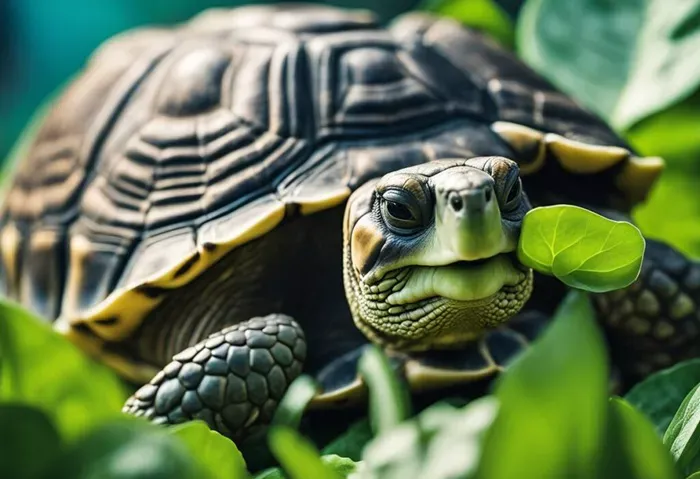
When it comes to feeding tortoises, even the simplest question—like whether a tortoise can eat pak choy—can spark curiosity and concern. You want your beloved reptile to thrive, but with so much conflicting advice, it’s hard to know what’s safe. Is pak choy a superfood for your shelled friend, or a dietary danger? Let’s dig into the facts and bust some myths together!
Understanding the Tortoise Diet: Basics First
Tortoises are reptiles with unique dietary needs. Unlike cats or dogs, these gentle creatures are mostly herbivores, which means they munch on plants, just like cows do. But not all plants are created equal for tortoises. Their digestive systems are more like slow cookers than microwaves—they need time and the right ingredients to stay healthy.
Pak choy, also known as bok choy, is a leafy green vegetable from the cabbage family. It’s common in human salads and stir-fries. But does this crisp, watery veggie suit our reptile companions? The answer is nuanced.
Nutritional Value of Pak Choy for Tortoises
Pak choy is packed with vitamins A and C, calcium, and water—much like how spinach is a powerhouse for humans. For tortoises, these nutrients can be beneficial. Calcium helps keep their shells strong (think of it as the bricks in a house), while vitamins support vision and immune health.
However, pak choy also contains compounds called goitrogens. These substances can interfere with iodine absorption and may affect thyroid function if fed in large amounts over time—imagine trying to read a book with foggy glasses! That’s why moderation is key.
How Much Pak Choy Is Safe for Tortoises?
Here’s where things get interactive: If you’re looking at your fridge right now and see pak choy, don’t rush to toss it all in your tortoise’s dish! Think of pak choy as an occasional treat rather than a daily staple.
For most tortoises (such as Russian tortoises or sulcatas), small amounts of pak choy once or twice a week is considered safe. It should be mixed with other leafy greens like dandelion leaves or turnip greens. This variety mimics what wild tortoises would find in nature—a salad bar rather than a single dish.
Real-life keepers often share that their tortoises enjoy pak choy’s crunchy texture but may ignore it if offered too frequently. One keeper likened her sulcata’s reaction to that of a child offered broccoli every day—enthusiasm quickly fades!
Risks and Precautions: What Can Go Wrong?
While pak choy is not toxic to tortoises, overfeeding can lead to nutritional imbalances. Too much goitrogen-rich food can cause thyroid problems—just as eating only candy bars would be unhealthy for people.
Additionally, because pak choy has high water content, offering it in excess may cause loose stools (diarrhea) in your reptile. Always introduce new foods gradually and observe your tortoise’s reaction—watch for changes in appetite or energy levels.
Best Practices for Feeding Pak Choy
To keep your tortoise healthy:
- Wash pak choy thoroughly to remove pesticides or dirt.
- Chop it into bite-sized pieces for easy chewing.
- Mix with other approved greens to ensure a balanced diet.
- Limit servings to once or twice per week.
- Always provide fresh water alongside meals.
Remember: Variety is the spice of life—even for reptiles!
Species Differences: Does It Matter Which Tortoise You Have?
Not all tortoises are alike. Some species have more sensitive digestive systems than others. For instance, Mediterranean species like Hermann’s tortoises thrive on weeds and wildflowers rather than supermarket greens. Tropical species such as red-footed tortoises are more adaptable but still benefit from dietary variety.
Consulting a reptile-savvy veterinarian is always wise when making significant changes to your pet’s diet. According to Dr. Susan Donoghue, an expert in reptile nutrition, “No single vegetable should ever make up the bulk of any reptile’s diet; diversity is crucial.” [1]
Anecdotes From Real Keepers
One long-time keeper shared her experience: “My Greek tortoise adores pak choy! But I noticed if I gave it too often, he seemed less interested in other foods. By mixing it up and offering different greens each week, his appetite stayed strong and his shell remained smooth.”
Another enthusiast compared feeding pak choy exclusively to “watching reruns on TV every day—eventually you get bored!”
Can Tortoises Eat Other Cabbage Family Greens?
Pak choy belongs to the brassica family (cabbages, kale, broccoli). All these greens share similar benefits and risks for tortoises: nutritious but best served in moderation due to goitrogens.
If you’re unsure about introducing new foods, start small and observe. Keepers often keep food diaries—just like tracking calories—to spot trends in health or behavior changes over time.
Quick Tips For New Tortoise Owners
- Don’t rely solely on store-bought greens; wild weeds are often healthier if safe and pesticide-free.
- Avoid iceberg lettuce—it’s mostly water with little nutritional value (think of it as eating cardboard).
- Offer calcium supplements if your vet recommends them.
- Monitor shell growth and overall activity regularly for signs of good health.
Conclusion
Pak choy can be a tasty and nutritious addition to your tortoise’s diet when used wisely. Its vitamins and minerals support shell health and overall vitality, but like many brassica vegetables, it should only be one part of a diverse meal plan. Think of pak choy as an occasional treat—a sprinkle of excitement in your reptile’s regular menu!
By keeping portions moderate, mixing with other leafy greens, and observing your individual pet’s response, you can safely include pak choy without worry. Awesome! With knowledge comes confidence—your tortoise will thank you for making smart choices that support a long and healthy life.
Related topics: