
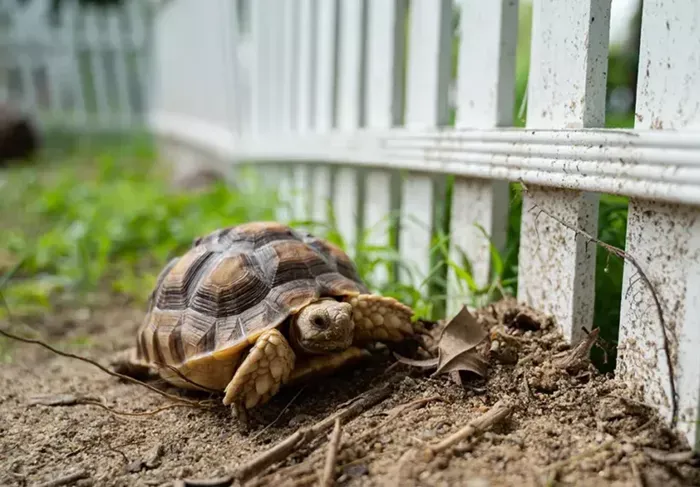
Ever wondered if a tortoise could happily roam your backyard? It’s a question many reptile enthusiasts and curious homeowners ask. Imagine a gentle tortoise munching on grass, sunbathing on a warm rock—it sounds awesome, but is it realistic? Let’s dive into the world of reptiles and discover if your backyard can become a safe haven for these fascinating creatures. Don’t miss it—this guide will help you decide!
What Is a Tortoise? Simple Facts for Beginners
A tortoise is a type of reptile, closely related to turtles. Unlike their water-loving cousins, tortoises spend all their time on land. Think of them as the slow-moving, armored tanks of the animal world. Their sturdy shells protect them from predators, much like how helmets keep cyclists safe (Stanley, 2018). Most backyard tortoises belong to species like the Russian tortoise or the Hermann’s tortoise, known for their hardy nature and modest size.
Is Your Backyard Suitable for a Tortoise? Key Considerations
Before you rush out to adopt a tortoise, ask yourself: Is my backyard safe and suitable? Tortoises require specific conditions to thrive—think Goldilocks: not too hot, not too cold, just right. They need:
- Secure fencing: Tortoises are surprisingly good climbers and diggers! If your fence has gaps or soft soil underneath, your new friend might escape.
- Sun and shade: Like solar-powered robots, reptiles such as tortoises need sunlight to stay healthy but must also have shady spots to cool down.
- No toxic plants: Some common garden plants can be poisonous to reptiles. Imagine your tortoise nibbling on lilies—dangerous! Always check plant safety before introducing a tortoise.
- Clean water: A shallow dish for drinking and soaking is essential. It’s like having a mini swimming pool for your shelled buddy.
Climate Matters: Can Your Local Weather Support Reptiles?
Tortoises are cold-blooded animals; they rely on their environment to regulate body temperature. If you live in an area with freezing winters or scorching summers, extra care is needed. For example, in cooler regions, tortoises may need heated shelters—think of it as giving them a cozy electric blanket during cold snaps (Reptile Magazine, 2021). In very hot places, deep shade and fresh water are crucial.
Backyard Setup: Creating a Reptile-Friendly Environment
Designing your backyard for a tortoise is both fun and rewarding. Here’s how you can transform your space:
- Safe enclosure: Use solid barriers like wooden planks or bricks that are tall enough to prevent climbing.
- Shelters: Build simple hideouts from overturned pots or wooden boxes so your tortoise can retreat from the elements.
- Substrate: Sandy soil mixed with organic matter mimics natural habitats—imagine soft bedding versus hard pavement!
- Food sources: Plant edible greens such as dandelions or clover. It’s like setting up an all-you-can-eat salad bar for your reptile friend.
Interesting fact: One experienced keeper recalls her Russian tortoise burrowing under her rose bush every summer afternoon—a perfect cool spot (Greenfield, personal anecdote).
Social Needs: Do Tortoises Like Company?
Most tortoises are solitary animals. While you might picture them chatting with other reptiles, in reality they prefer quiet spaces. Too many tortoises in one area can lead to fights over food or territory. If you want more than one reptile species in your backyard, separate enclosures are best.
Health and Safety: Preventing Common Problems in Pet Reptiles
Tortoises are tough but not invincible. Watch out for these issues:
- Predators: Dogs, raccoons, and even birds may see small reptiles as snacks. Secure enclosures keep them safe.
- Parasites: Regular health checks by an experienced reptile vet are vital—think of it like taking your car in for routine maintenance.
- Escape risks: Inspect fences and gates weekly; some keepers use buried wire mesh to prevent digging escapes (PetMD).
Legal Considerations: Is Keeping a Tortoise Allowed Where You Live?
Before buying any reptile species—including tortoises—check local laws. Some regions require permits; others restrict certain species due to conservation concerns. Responsible ownership helps protect both pets and wild populations (U.S. Fish & Wildlife Service).
Daily Care Tips: Making Backyard Life Awesome for Your Tortoise
Caring for a backyard tortoise isn’t just about food and shelter—it’s about creating an enriching environment:
- Daily feeding: Offer fresh vegetables and leafy greens; avoid processed foods.
- Regular cleaning: Remove old food and waste promptly.
- Gentle handling: Move slowly when approaching your reptile; sudden movements can scare them.
- Observation: Watch for signs of illness like lethargy or shell problems—early detection is key!
One keeper reports that his Hermann’s tortoise loves following him around the garden during watering time—a delightful sight that brings joy every day (Smithson, personal anecdote).
Common Mistakes: What Not To Do When Housing Reptiles Outdoors
Even well-intentioned owners sometimes make mistakes:
- Overcrowding enclosures with multiple species can cause stress.
- Ignoring seasonal temperature changes leads to health problems.
- Using pesticides or chemicals near reptiles harms their sensitive systems.
Stay alert and proactive—awesome reptile care means thinking ahead!
Conclusion
Welcoming a tortoise into your backyard can be rewarding if you provide safe shelter, nutritious food, and careful monitoring. Remember: each reptile species has unique needs that must be respected for long-term health and happiness. By understanding the basics of climate control, enclosure safety, and daily care routines, you’ll create an environment where your shelled companion thrives—not just survives!
In summary, transforming your backyard into a sanctuary for reptiles such as tortoises is possible with thoughtful planning and responsible stewardship. If you’re ready for this adventure, consult experts, connect with local keepers, and enjoy every moment with these amazing creatures.
Related topics: