
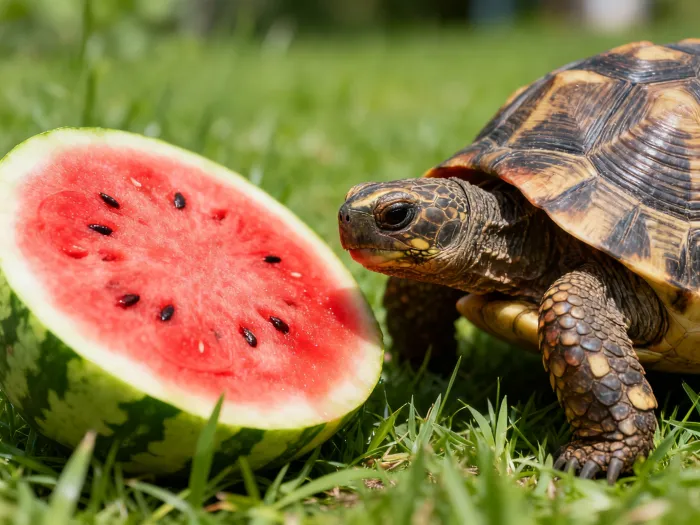
When you bring home a tortoise, you might wonder what tasty treats are safe to offer. Watermelon is a favorite fruit for many people—sweet, juicy, and refreshing. But is it suitable for your tortoise? In this article, we’ll unlock the facts about whether tortoises can eat watermelon, drawing on expert reptile knowledge, everyday analogies, and real keeper experiences. Ready for some awesome insights? Let’s dig in!
Introduction: The Watermelon Question
Imagine you’re enjoying a slice of watermelon on a hot day. Your tortoise looks up, perhaps curious about your snack. Should you share? Here’s the suspense: while watermelon is safe in small amounts for many reptiles, including tortoises, there are important things to know before offering this fruit. Let’s unravel the details together!
Understanding Tortoise Diets
Tortoises are reptiles with special dietary needs. Most tortoises are herbivores—they eat plants like leafy greens, grasses, and flowers. Think of their stomachs as slow cookers designed for fiber-rich foods! Unlike cats or dogs that can eat meat, tortoises thrive on vegetation. Offering too much fruit—like watermelon—can upset their delicate digestive balance.
Watermelon: What’s Inside?
Watermelon is mostly water (over 90%), with some natural sugars and vitamins like vitamin C and A. For humans, that’s great hydration! For tortoises, imagine giving them a drink as well as a treat. However, too much sugar isn’t healthy for their system.
Is Watermelon Safe for Tortoises?
Here’s the awesome news: Yes, most tortoises can eat watermelon—but only in moderation. It should be an occasional snack rather than a main meal. Think of watermelon like dessert after dinner—not something you’d want every day! According to the British Chelonia Group (a leading authority on tortoise care), small pieces of watermelon can be offered once in a while without harm.[1]
How Much Watermelon Is Okay?
When you offer watermelon to your tortoise (whether it’s a sulcata tortoise or a Russian tortoise), keep portions tiny—about the size of a dice cube. Remove any seeds, as these can cause digestive blockages. Also, avoid giving the rind; stick to the soft red flesh.
Benefits and Risks Explained Simply
Benefits:
- Hydration boost during hot weather (like giving them a mini water bottle!)
- Some vitamins and minerals that support shell health.
- Enrichment—watching your tortoise nibble on a new treat can be delightful!
Risks:
- Too much sugar may upset gut bacteria (imagine your own stomach after too much candy).
- High water content can cause loose stools.
- Seeds and rind are choking hazards.
What Real Keepers Say
Anecdote time! Jenny Wu, who keeps African spurred tortoises (Geochelone sulcata), shares: “My sulcatas love watermelon in summer, but I only give them tiny bits once every two weeks. If I offer more, they get runny poop—so moderation is key!” This practical advice echoes what many experienced reptile keepers recommend.
Alternatives to Watermelon
If you want to treat your tortoise without worries, try leafy greens like dandelion or collard leaves. These are like superfoods for reptiles—nutritious and safe! Fruits such as berries or apple slices (without seeds) can also be offered sparingly.
Species Differences Matter
Remember: not all tortoises have identical dietary needs. Mediterranean species (like Hermann’s tortoise) should have even less fruit than tropical species (like red-footed tortoises). Always research your specific reptile species before introducing new foods.
Tips for Safe Feeding
- Wash fruit thoroughly before serving.
- Cut into bite-sized pieces.
- Remove seeds and rinds.
- Offer fruit only once every week or two.
- Observe your tortoise for changes in behavior or stool consistency after trying new foods.
The Bottom Line: Moderation Is Essential
You love your reptile friend and want them healthy and happy—awesome! Watermelon can be an occasional treat for most tortoises if you follow guidelines and respect their natural diet. Don’t miss the joy of watching your pet enjoy something special—but remember that moderation keeps reptiles thriving!
Conclusion
In summary, most tortoises can safely eat small amounts of watermelon as an occasional treat. This juicy fruit offers hydration and enrichment but must never replace their staple diet of high-fiber greens and grasses. By understanding your reptile’s dietary needs and practicing moderation, you’ll ensure your shelled companion stays healthy and content.
Before introducing any new food—including watermelon—observe how your specific species reacts and consult trusted resources like experienced keepers or veterinary experts. With careful choices and informed care, you’ll unlock a world of tasty experiences for your beloved tortoise!
Related topics: