
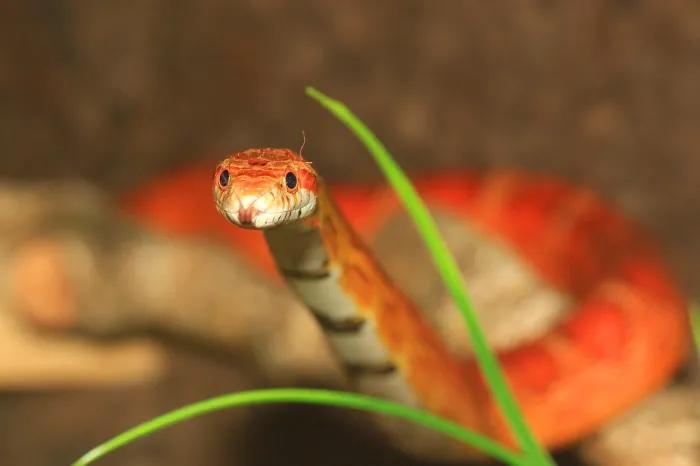
Domestic corn snakes are widely appreciated in the pet community for their calm temperament and beautiful patterns. These snakes are a domesticated form of the wild corn snake native to the southeastern United States. Over time, breeders have developed various color and pattern morphs, making them visually appealing to many hobbyists.
Physical Characteristics and Behavior
Corn snakes typically grow to about 3 to 5 feet long. Their slender bodies are covered in smooth scales with colors ranging from orange and red to brown and gray. One of their most distinctive features is the saddle-shaped blotches along their backs. These snakes are non-venomous and generally gentle, making them suitable for beginners.
They are primarily nocturnal but may be active during the day in captivity. Corn snakes enjoy exploring their surroundings and often show curiosity when handled correctly. They rarely bite unless provoked or stressed.
Housing Requirements
Creating a comfortable home for a domestic corn snake is essential for its health. A secure enclosure with enough space to move around is necessary—typically a tank of at least 20 gallons for an adult snake. The habitat should include hiding spots, climbing branches, and a water dish.
Temperature control is critical since corn snakes are cold-blooded reptiles. They need a temperature gradient inside their enclosure, with a warmer basking area around 85°F (29°C) and a cooler side near 70°F (21°C). Maintaining proper humidity levels between 40% and 60% helps support healthy shedding.
Diet and Feeding
In the wild, corn snakes feed mainly on small rodents like mice. In captivity, frozen-thawed mice or rats are commonly offered as food. Feeding should occur every 7 to 10 days for adults and more frequently for juveniles. It’s important not to handle the snake right after feeding to avoid regurgitation.
Handling and Interaction
Corn snakes tolerate handling well when approached gently and consistently. It’s best to support their entire body during handling sessions to reduce stress. Regular interaction helps them become accustomed to human presence, which can strengthen the bond between pet and owner.
Health Considerations
While generally hardy, domestic corn snakes can face health issues such as respiratory infections, mites, or shedding problems if care is inadequate. Observing your snake regularly for signs of illness like lethargy or changes in appetite ensures timely veterinary attention when needed.
Conclusion
Domestic corn snakes offer an engaging experience for reptile lovers due to their manageable care requirements and appealing appearance. By understanding their needs for proper housing, diet, handling, and health monitoring, owners can enjoy many years with these charming snakes.
FAQs
How big do domestic corn snakes get?
They usually grow between 3 and 5 feet in length.
What kind of enclosure is best?
A secure tank with at least 20 gallons capacity that includes hiding places and climbing structures is ideal.
What do they eat?
Frozen-thawed mice or rats are standard food choices.
Are domestic corn snakes good for beginners?
Yes, due to their gentle nature and straightforward care needs, they make excellent pets for those new to reptiles.