
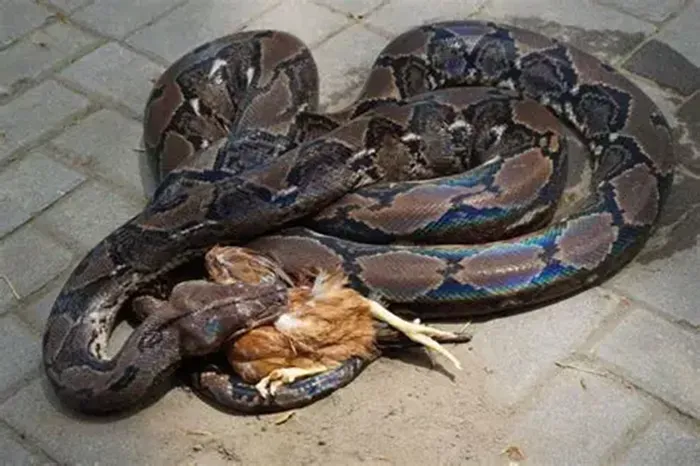
When you think about reptiles, especially snakes, you might wonder: can these slithery creatures really eat chickens? It’s a question that sparks curiosity and concern among chicken owners, reptile enthusiasts, and zoologists alike. Let’s dive deep into the relationship between snakes and chickens—unlocking fascinating facts, real-life anecdotes, and expert advice. Don’t miss it!
Understanding Reptiles: What Makes a Snake a Predator?
Snakes are reptiles—cold-blooded animals that rely on their environment to regulate body temperature. Unlike mammals, reptiles like snakes don’t chew their food; they swallow it whole! Imagine your favorite snack, but instead of biting into it, you try to fit the entire thing in your mouth at once—that’s how snakes eat.
Most snakes are opportunistic feeders. This means they eat what is available and accessible. Chickens, being birds that live on the ground and sometimes in open coops, can unfortunately attract certain snake species. According to the Smithsonian National Zoo, snakes are known for their flexible jaws, allowing them to eat prey much larger than their head size would suggest.
Which Snake Species Target Chickens?
Not all snakes will go after chickens. Species such as rat snakes (Pantherophis obsoletus), king snakes (Lampropeltis getula), and pythons (Python regius) are notorious for raiding chicken coops. These reptiles are drawn to both the eggs and the chickens themselves. Think of them as the neighborhood cats who sneak into your yard for a tasty treat.
A real-life story from a Florida farmer highlights this: “Last spring, I found a black rat snake curled up in the nesting box—two eggs gone and one pullet missing!” Such anecdotes show how adaptable and resourceful these reptiles can be.
Why Do Snakes Eat Chickens?
Snakes eat chickens mainly because they are easy prey. Chickens are slow-moving compared to rodents or birds in flight. For a snake, a chicken is like finding an unattended cookie jar—hard to resist! Eggs also provide a nutritious meal for many species of snakes.
The University of Georgia Cooperative Extension notes that chickens and their eggs emit scents that attract snakes from afar. This is similar to how fresh bread lures you into a bakery—the aroma is simply irresistible!
How Do Snakes Hunt Chickens?
Most snakes hunt by stealth rather than speed. They slither silently into coops at night or early morning when chickens are resting. With their excellent sense of smell (using their tongue like a radar), they locate nests or sleeping birds.
Once close enough, a snake strikes quickly—grabbing the chicken or egg with its mouth. Large constrictors like pythons wrap around their prey before swallowing, while smaller species often swallow eggs whole. Picture wrapping up in a cozy blanket before bedtime; that’s how constrictors envelop their meal.
Can Chickens Defend Themselves Against Snakes?
Chickens aren’t completely defenseless. Some breeds are more aggressive and will peck at intruders, sometimes injuring smaller snakes. However, most domesticated chickens lack effective strategies against larger reptile predators.
Experienced keepers often recount how roosters sound alarm calls when danger lurks nearby—a bit like having your own built-in security system! But despite these warnings, determined snakes still find ways to snatch eggs or chicks if given the opportunity.
Preventing Snake Attacks: Tips for Chicken Owners
Protecting your flock from reptiles starts with good coop management:
- Secure all openings: Use wire mesh with small holes (no bigger than 1/4 inch) to block entry points.
- Clean up spilled feed: Leftover food attracts rodents—and where rodents go, hungry snakes follow.
- Remove debris: Tall grass, wood piles, or junk provide hiding spots for reptiles.
- Elevate nesting boxes: This makes it harder for ground-dwelling species to reach eggs or chicks.
- Regular inspections: Check your coop daily for signs of snake activity (shed skins, droppings).
According to reptile expert Dr. Emily Taylor (California Polytechnic State University), “Simple changes in coop design can dramatically reduce snake incidents—think like a reptile when securing your flock!”
Are All Snakes Dangerous to Chickens?
It’s important not to paint all reptiles with the same brush. Many snake species actually help chicken owners by eating rodents that threaten both eggs and chicks. Garter snakes (Thamnophis sirtalis) rarely bother poultry but keep mice populations under control—a win-win situation!
So before grabbing a shovel or calling animal control, try to identify whether the snake poses any real risk to your flock. Often, coexistence is possible—and beneficial—for both parties.
What Should You Do If You Find a Snake in Your Coop?
Don’t panic! Here’s what you can do:
- Identify the species: Take photos from a safe distance; use local wildlife guides or consult experts online.
- Remove safely: Use long-handled tools or call professionals if unsure—never handle unfamiliar reptiles directly.
- Reinforce your coop: After removal, double-check all entry points and reinforce as needed.
- Monitor closely: Keep an eye out for return visits; some persistent snakes may come back if food remains accessible.
Anecdotal evidence from backyard keepers suggests that relocating non-venomous species miles away reduces repeat visits—but always check local laws regarding wildlife relocation first!
Conclusion
Snakes are fascinating reptiles with diverse diets and hunting strategies. While some species do pose risks to chickens—especially egg-loving rat snakes or powerful constrictors—many others play vital roles in pest control around poultry farms. By understanding which types of snakes threaten your flock and taking proactive steps to secure coops, you can minimize unwanted encounters while respecting these remarkable animals’ place in nature.
So next time you spot a slithering visitor near your chickens, remember: awareness and preparation are key! Awesome stories from keepers worldwide prove that harmony between reptiles and poultry is not only possible but rewarding—for both humans and animals alike.
Related topics: