
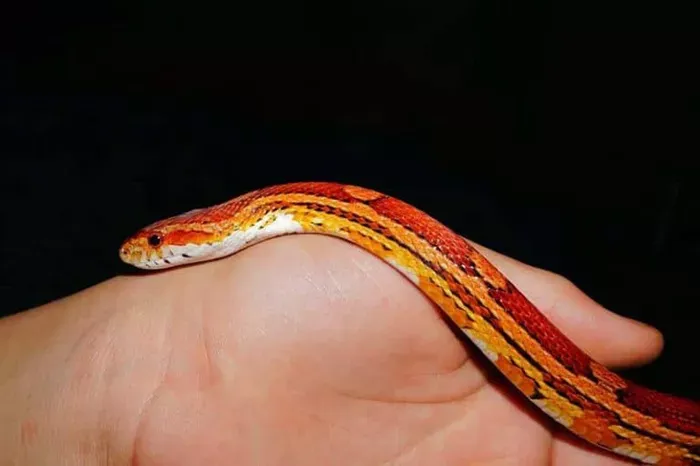
Have you ever gazed at your corn snake and wondered, “Does my reptile feel happiness, fear, or affection?” This question sparks curiosity among reptile enthusiasts and zoologists alike. While mammals like dogs wag their tails and cats purr to show their feelings, corn snakes—one of the most popular pet reptiles—express themselves in subtler ways. Let’s dive into the fascinating world of corn snake behavior and discover what science says about their emotional capacity.
Understanding Corn Snakes: The Basics
Corn snakes (Pantherophis guttatus) are slender, colorful reptiles native to North America. Their gentle nature and striking patterns make them favorites among beginner and experienced reptile keepers. Think of them as the “goldfish” of the reptile world—easy to care for, hardy, and visually appealing.
But what goes on inside their scaly heads? Unlike mammals, corn snakes lack a neocortex—the part of the brain associated with complex emotions in humans. Instead, they rely on a simpler brain structure called the reptilian brain, which is excellent for basic survival tasks like hunting, hiding, and responding to threats (Burghardt, 2013).
Can Corn Snakes Experience Emotions?
What Science Tells Us
Most experts agree that corn snakes do not experience emotions in the same way humans do. Their responses are more instinctual than emotional. For example, when your corn snake flicks its tongue or coils defensively, it’s not showing anger or affection—it’s reacting to environmental cues.
Imagine emotions as a color palette: mammals have many shades, while corn snakes might only have a handful. They can feel stress (like being too hot or cold), contentment (when resting comfortably), and fear (if threatened). But complex emotions like love or jealousy are likely beyond their reach (Mason et al., 2007).
Recognizing Behavioral Signals in Corn Snakes
Stress and Comfort: The Main Emotional States
When you notice your corn snake hiding under its substrate or refusing food, it could be stressed—similar to how you might retreat to your room after a tough day. On the flip side, a relaxed corn snake that explores its enclosure or rests calmly is probably feeling secure and comfortable.
Common behaviors to watch for:
- Tongue flicking: Like a dog sniffing around, this means your corn snake is exploring.
- Coiling tightly: Can indicate fear or discomfort—think of it as pulling up a blanket when scared.
- Resting openly: A sign of confidence in its environment.
These actions aren’t emotional displays as we know them but are reliable indicators of your reptile’s well-being.
Anecdotes from Real Keepers: Connecting with Your Corn Snake
Many reptile owners report unique interactions with their corn snakes. For instance, Jessica from Ohio shares, “My corn snake always comes out when I’m nearby. I think she recognizes me!” While this is heartwarming, scientists suggest it’s more likely due to learned behavior—the snake associates her presence with feeding time rather than affection.
Still, building routines can foster trust. Over time, your corn snake may become less fearful around you, displaying behaviors that suggest comfort rather than emotional attachment.
Analogies: Making Sense of Reptile Responses
If understanding corn snake emotions feels confusing, imagine them like thermostats—not mood rings. Their reactions adjust based on outside stimuli (temperature changes, handling), not inner feelings. When you gently pick up your corn snake and it remains calm, it’s not “happy,” but simply comfortable with the situation.
The Importance of Environment for Emotional Well-being
Ensuring your corn snake feels safe is crucial for its health. Like arranging cozy furniture for yourself at home, providing hiding spots, proper temperature gradients, and fresh water helps reduce stress. A stressed corn snake may become inactive or refuse food—signs you should tweak its habitat.
Expert tip: Regular gentle handling can acclimate your corn snake to human contact over time. But always watch for signs of discomfort!
Do Corn Snakes Bond with Owners?
While some keepers believe their pets recognize them, scientific studies show that corn snakes respond mainly to routine rather than personal attachment (Burghardt & Murphy, 2012). Your pet may learn that feeding follows your arrival but doesn’t form bonds as dogs do.
Still, consistency builds trust—a relaxed reptile is less likely to hide or act defensively around familiar faces.
Conclusion: Respecting Reptilian Nature
Corn snakes are captivating creatures whose behaviors offer glimpses into the mysterious world of reptile sentience. While they don’t experience complex emotions like humans or even dogs do, they do feel basic states such as stress and comfort. By understanding these signals—and respecting their unique needs—you’ll ensure a happy and healthy life for your pet.
Remember: Unlocking the secrets of reptile behavior isn’t just about knowing what they feel—it’s about meeting them where they are. Awesome discoveries await those who observe patiently!
Related topics: