
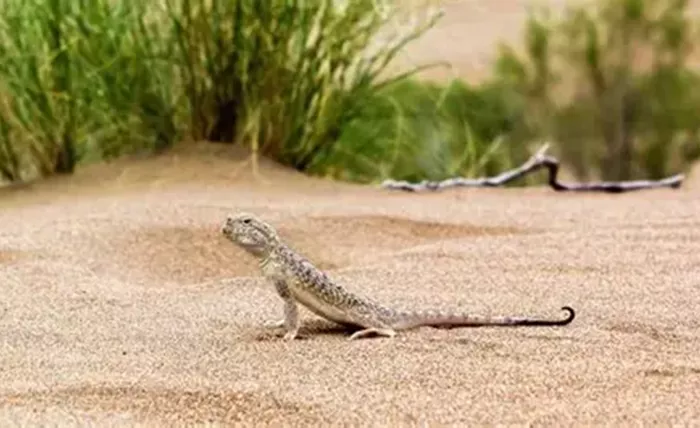
Have you ever wondered about the desert iguana and its classification? Perhaps you’ve seen one basking under the blazing sun in a desert documentary or even in a pet store. The desert iguana (Dipsosaurus dorsalis) is an extraordinary creature that thrives in some of the hottest and driest environments on Earth. But, what exactly is it? Is it a reptile, or is there something more to this creature than meets the eye?
In this article, we’ll dive deep into the world of the desert iguana, exploring its biological classification, its unique traits, and what exactly makes it a reptile. Let’s unravel this mystery together!
What Makes a Desert Iguana a Reptile?
To answer the main question, yes, the desert iguana is a reptile. But what does that really mean? When you hear the word “reptile,” you probably think of scaly creatures like snakes, lizards, and turtles. But the term “reptile” is more than just a label for animals with scales. It refers to a class of animals that share several key characteristics, such as being cold-blooded, having dry skin, and laying eggs. Let’s break this down so you can fully understand what makes the desert iguana a reptile.
Cold-Blooded Nature
Reptiles, like the desert iguana, are ectothermic, which means they rely on external temperatures to regulate their body heat. Just like how you might feel cold on a winter day without your jacket, reptiles feel the effects of the environment. They can’t generate their own heat like mammals, so they seek warmth in the sun, and when it’s too hot, they retreat to cool places to avoid overheating.
For the desert iguana, this behavior is crucial for survival. This lizard is capable of handling extreme desert heat, but when temperatures reach uncomfortable levels, it finds shelter in the shade or burrows into the sand to cool down. This “chasing warmth” behavior is characteristic of most reptiles.
Scaly Skin
Ever touched the rough skin of a lizard or snake? That’s another hallmark of reptiles. Reptiles have dry, scaly skin that helps prevent water loss. Unlike amphibians, which have smooth and moist skin, reptiles like the desert iguana have tough, protective scales that help them conserve water and protect them from the harsh desert elements.
This adaptation is especially useful in desert habitats where water is scarce. If you’ve ever been in the desert, you know how quickly the sun can dry up everything in its path. The desert iguana’s scales are its natural armor, shielding it from excessive water loss and preventing the scorching desert sun from causing damage.
Reproduction: Eggs, Not Live Birth
One of the most distinct features that separates reptiles from other animal classes is the way they reproduce. Reptiles, including the desert iguana, lay eggs rather than giving birth to live young like mammals do. The eggs have a leathery or hard shell that protects the developing embryo inside.
In the case of the desert iguana, mating usually happens in spring. Afterward, females lay their eggs in burrows or sheltered places, where they can incubate. The eggs need warmth—usually between 28 to 38°C (82 to 100°F)—to hatch successfully. So, when the desert gets too hot, the desert iguana can rely on its clever ability to choose just the right spot to protect its offspring.
Key Characteristics of the Desert Iguana
Size and Appearance
The desert iguana is a medium-sized lizard, typically growing to about 41 cm (16 inches) in length, though it can sometimes reach up to 61 cm (24 inches). Its coloring varies from light gray to cream, with subtle brown or tan markings across its back and sides. The spiny ridge along its back, which resembles a row of small spikes, adds to its reptilian charm. You’ll often spot it basking in the sun, its body stretched out to soak up the heat.
Interestingly, during the breeding season, its belly turns pink—a fascinating feature that’s common among reptiles to attract mates.
Habitat Adaptations
The desert iguana thrives in arid desert environments, like the Sonoran and Mojave deserts in the southwestern United States. Unlike many animals, which retreat to shelter during the intense midday heat, the desert iguana continues its activities in the heat of the day, making it one of the few reptiles adapted to extreme conditions.
This species can often be found around creosote bushes, which provide both food and shelter. The iguana’s ability to dig burrows in the sand or use existing burrows of desert creatures like foxes and turtles further helps it survive the desert’s harsh temperatures.
Why Is the Desert Iguana So Special?
Now that we’ve established that the desert iguana is indeed a reptile, let’s dive into some fun and fascinating aspects of this creature.
An Adaptation King
One of the most amazing things about the desert iguana is its ability to endure the desert’s extreme heat. While most creatures seek shelter from the sun during the hottest part of the day, the desert iguana is just getting started. It feeds on plants like creosote bush flowers, which are full of moisture—an essential resource in an otherwise dry environment.
In fact, the desert iguana has an impressive ability to tolerate temperatures as high as 42°C (108°F) for short periods. This makes it one of the most heat-resistant reptiles on the planet! Now, isn’t that awesome?
Territorial Behavior
While these reptiles are relatively docile by nature, the males can be quite territorial. During mating season, they’ll engage in dramatic push-up displays to assert their dominance over a patch of land. Think of it as a lizard version of a flexing contest, where the strongest male gets the best territory and the opportunity to mate.
Self-Defense Tactics
Desert iguanas may be quick to retreat into burrows when threatened, but they’re also equipped with unique self-defense strategies. If faced with a predator, they can puff up their bodies to appear larger, a tactic that works similarly to how a pufferfish inflates to avoid predators. Their coloration also helps them blend into the desert landscape, making it harder for predators to spot them.
Fun Facts About Desert Iguanas
Here are some fun facts that will make you love these reptiles even more:
Heat Seekers: As mentioned, these iguanas love basking under the sun. But did you know they are so heat-tolerant that they are active when most other desert animals are huddling in the shade?
Diet Diversity: While primarily herbivores, desert iguanas will occasionally eat insects and even the feces of herbivores! It’s like a built-in recycling system!
Amazing Camouflage: Their sand-colored skin allows them to blend into the desert environment seamlessly. It’s as if they have built-in camouflage to avoid predators.
Conclusion
So, is the desert iguana a reptile? Absolutely! It belongs to the Reptilia class, sharing essential characteristics with other reptiles like snakes, turtles, and lizards. From its cold-blooded nature and scaly skin to its egg-laying reproduction, the desert iguana ticks all the boxes. This reptile is a perfect example of how species adapt to their environments, and its fascinating behaviors—like basking in the desert heat and defending its territory—make it an exciting creature to learn about.
Whether you’re a reptile enthusiast or just curious about the desert iguana, you can now confidently say, “Yes, this amazing desert survivor is definitely a reptile!”
Related topics: