
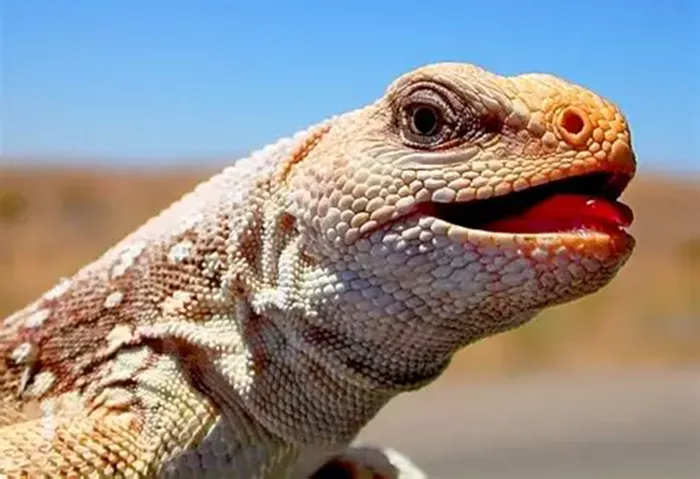
Imagine being able to survive in the harshest, driest places on Earth—places where most animals wouldn’t dare set foot. That’s exactly the life of the Desert Iguana (Dipsosaurus dorsalis). This unique reptile has evolved to thrive in the blazing heat of the desert, specifically in the southwestern United States and northern Mexico. But what exactly is this desert warrior, and how does it manage to conquer such a tough environment? In this article, we’ll uncover everything you need to know about the desert iguana, including its habitat, diet, behavior, and much more. Stick with me—you’re about to discover some amazing things!
Desert Iguana: A Brief Introduction
The desert iguana is a fascinating reptile belonging to the Iguanidae family. It is commonly found in the Sonoran and Mojave Deserts, two of the harshest desert ecosystems in the world. With a body length that can reach 61 cm (about 24 inches), this relatively medium-sized lizard has adapted incredibly well to its environment. But don’t let its tough appearance fool you—it’s not just about survival; the desert iguana’s behavior and lifestyle are equally captivating.
So, why is this reptile so interesting? Let’s take a closer look.
Where Does the Desert Iguana Live?
To understand the habitat of the desert iguana, think of the sun-drenched, dry, and often barren landscapes of the desert. This lizard lives in areas where temperatures soar, especially during the summer months. You’ll find it in places like the Sonoran Desert and Mojave Desert, with some populations inhabiting desert islands like those in the Gulf of California.
These iguanas primarily inhabit the creosote bush communities, which are types of shrubs that thrive in hot, arid climates. Creosote bushes are so essential to desert iguanas that they depend on them for shelter and food. They also dig burrows under these shrubs to hide from predators and escape the extreme heat. To put it simply, think of creosote bushes as the home base for desert iguanas.
But here’s the cool part: desert iguanas are heat-resistant reptiles. They are not afraid of soaring temperatures and often stay active when many other animals are seeking shelter. They’re so good at handling heat that they can survive temperatures up to 40°C (104°F). Most reptiles would be crawling into their burrows to cool off by then!
What Do Desert Iguanas Eat?
You might be wondering, what does this heat-loving lizard eat to keep up its energy in the desert? Well, desert iguanas are mostly herbivores, meaning they munch on plants like creosote bush flowers, cactus, leaves, and seeds. They also enjoy the occasional insect, but that’s more of a side snack. It’s like having a salad with a side of protein, but with much more specialized taste.
A fun fact: during the spring and summer months, they love to feast on the yellow flowers of the creosote bush. These flowers provide them with the energy they need to stay active in the blistering desert heat.
How Does the Desert Iguana Stay Cool?
The desert may be hot, but the desert iguana has an interesting trick up its sleeve. Unlike many other reptiles that hide during the day, the desert iguana actually becomes more active when the sun is at its peak. It’s kind of like a human going for a run in the middle of the afternoon—it’s intense, but they can handle it!
But, as you can imagine, spending too much time in the sun can be dangerous, so this iguana has figured out ways to stay cool. When its body temperature starts climbing above comfortable levels, the iguana heads for its burrows or the shade of nearby plants, such as the creosote bushes. These burrows are not just homes—they also act as cooling stations.
If you’ve ever felt the relief of stepping into a shady spot on a hot day, you’ll understand the iguana’s need for that break.
How Does the Desert Iguana Reproduce?
The desert iguana’s reproduction process is equally fascinating. The breeding season starts in May and June. During this time, male desert iguanas engage in displays of strength to win over females. Sounds like a tough competition, right? Well, it is! These males perform push-up contests, trying to show off their muscle power to impress the ladies. It’s like a fitness competition in the desert!
Once a male wins a mate, the female will lay eggs in early summer. Usually, she lays between 3 to 8 eggs in a secluded area. These eggs are then incubated by the desert heat, with temperatures between 28-38°C (82-100°F). After about 2-3 months, the eggs hatch, and baby iguanas emerge, ready to start their lives in the desert.
Desert Iguana Defense Mechanisms
In the wild, the desert iguana faces threats from predators like hawks, foxes, snakes, and even humans. So how does this lizard defend itself?
One key defense mechanism is its ability to camouflage. The desert iguana’s scales are sand-colored, which helps it blend into its surroundings. If a predator comes too close, the iguana will often hide in its burrow or under a nearby creosote bush.
If the iguana is cornered and feels threatened, it may perform an unusual move—it can inflate its body to appear larger and more intimidating. It’s a strategy that says, “I’m bigger than I look!”
And in case that doesn’t work, the iguana might flee at high speed, darting towards a burrow or bush where it can hide. It’s a perfect survival tactic for this desert-dwelling lizard.
Conclusion
The desert iguana is a true marvel of evolution, perfectly suited for life in some of the hottest and most arid environments on Earth. From its ability to stay active during scorching days to its clever burrowing techniques, this reptile has many tricks up its sleeve to survive.
Its reliance on specific plants like the creosote bush, combined with its fascinating reproductive behaviors and defense mechanisms, make it a unique creature worth understanding.
Related topics: