
When you think of the desert, the first thing that might come to mind is dry, barren landscapes where life is hard to come by. But in the midst of this harsh environment, creatures like the desert iguana thrive. These unique reptiles, known for their impressive heat tolerance and distinct lifestyle, are found primarily in North America’s Sonoran and Mojave deserts. But how rare are they, really? Are desert iguanas hard to find, or are they more common than people think?
In this article, we’ll take a closer look at the status of desert iguanas in the wild, answering the crucial question: Are desert iguanas rare? We’ll explore their habitat, distribution, population trends, conservation status, and how these reptiles survive in one of Earth’s most extreme environments.
Introduction: The Mystery of the Desert Iguana
It’s easy to assume that any species living in a desert would be rare, considering the extreme conditions and limited resources. Desert iguanas, with their ability to withstand the intense heat and survive on a primarily plant-based diet, might seem like an elusive creature—one that only the most dedicated reptile enthusiasts ever encounter.
But are desert iguanas truly rare, or are they simply well-hidden within their desert habitat?
The answer is more complicated than a simple “yes” or “no.” While desert iguanas are not necessarily endangered, their status in the wild can vary depending on several factors, including habitat destruction, climate change, and human activities. Understanding these factors will help us answer the question once and for all.
What Is a Desert Iguana?
Before diving into the question of rarity, let’s first get familiar with the desert iguana, scientifically known as Dipsosaurus dorsalis.
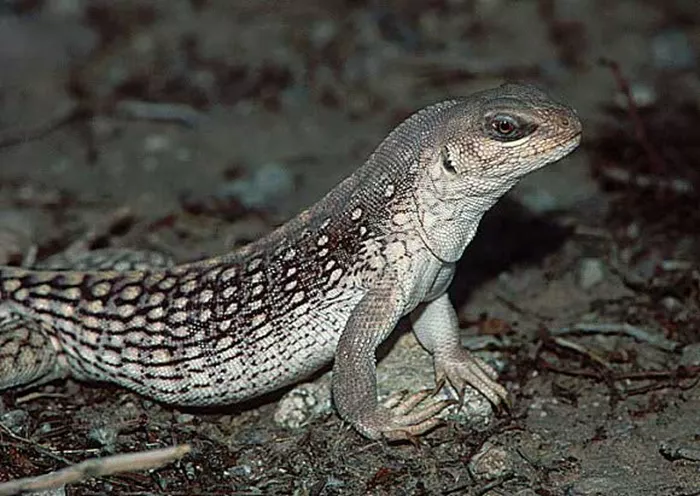
These reptiles are medium-sized lizards, with an average length of around 16 inches (41 cm) and a tail that can stretch up to 24 inches (61 cm). Their bodies are typically light gray or cream-colored, with a network of brownish patterns that help them blend into their desert surroundings. This camouflage is crucial for protecting them from predators like hawks, snakes, and foxes.
Fun Fact: Despite their desert-dwelling ways, desert iguanas are actually quite active during the hottest part of the day. Unlike many reptiles that seek shelter in burrows when the sun is high, desert iguanas are often out foraging and soaking up the warmth of the sun.
Habitat and Distribution: Where Do Desert Iguanas Live?
Desert iguanas are native to the southwestern United States and northwestern Mexico, specifically found in the Sonoran and Mojave deserts. These regions are known for their scorching temperatures and dry conditions, which might make you think that only a rare, hardy species could survive there. But the desert iguana is not as rare as you might think in its preferred habitats.
Sonoran Desert: This vast desert spans southern Arizona and northern Mexico, and it’s one of the primary locations where desert iguanas can be found.
Mojave Desert: In California, Nevada, and Arizona, the Mojave Desert also hosts a significant population of these reptiles.
Baja California: Desert iguanas can be found on several islands and coastal areas in Baja California, Mexico.
These regions are home to a diverse array of flora and fauna, including the creosote bushes, which are vital to the iguanas’ diet. So, while desert iguanas are not rare within these areas, their distribution is relatively specific, and they’re not typically found outside these desert environments.
Population and Rarity: How Many Desert Iguanas Are There?
Desert iguanas are not considered rare in the strictest sense, but their populations are not as vast as some other species. These lizards are commonly found within their range, but that doesn’t necessarily mean they’re abundant everywhere. The population density of desert iguanas can vary greatly depending on the availability of suitable habitats and environmental conditions.
Factors That Impact Desert Iguana Populations:
Climate and Temperature: As cold-blooded reptiles, desert iguanas depend on warm temperatures to regulate their body heat. With temperatures often soaring above 100°F (38°C), these iguanas have adapted to the harsh conditions. However, if temperatures rise too much due to climate change, it can impact their ability to survive, potentially making them more scarce in certain areas.
Habitat Destruction: Human activity, such as urbanization, agriculture, and land development, can lead to the destruction of desert habitats. Desert iguanas rely on specific desert plants and shrubs for food, and as these habitats are degraded, iguana populations can suffer.
Competition and Predation: Desert iguanas share their habitat with other desert species, some of which may compete for resources or prey on them. The presence of predators, such as birds of prey and coyotes, can also affect their numbers.
Though the desert iguana is not classified as endangered, certain threats could reduce its population over time. Habitat fragmentation and climate change are key factors that may contribute to a decrease in their numbers.
Are Desert Iguanas Endangered?
Currently, desert iguanas are not listed as endangered or critically endangered by the International Union for Conservation of Nature (IUCN). However, this doesn’t mean they are completely safe. In fact, they face a variety of challenges that could impact their long-term survival.
While they are not listed as rare or endangered, some populations of desert iguanas may be at risk due to habitat destruction, illegal collection for the pet trade, and environmental changes brought on by global warming.
What Can Be Done to Protect Desert Iguanas?
If you’re worried about the future of desert iguanas, you’re not alone. Conservation efforts are crucial to ensure these fascinating reptiles don’t face a population decline. Here are a few things that can help:
Preserving Desert Habitats: Efforts to protect the Sonoran and Mojave deserts are essential for the survival of desert iguanas. By establishing wildlife reserves, promoting sustainable land use, and reducing human impact on the environment, we can help maintain the iguana’s natural habitat.
Education and Awareness: Teaching people about the importance of desert ecosystems and the role that desert iguanas play in maintaining ecological balance can help reduce illegal hunting and habitat destruction.
Research and Monitoring: Ongoing research into the behavior, reproduction, and health of desert iguanas can provide valuable information for future conservation efforts.
Conclusion
So, are desert iguanas rare? The answer is not as straightforward as a simple yes or no. While these reptiles are not considered endangered and are fairly common in their native habitats, they do face various threats that could affect their population over time.
The desert iguana is a resilient species, perfectly adapted to survive in some of the most extreme environments on Earth. However, like many animals, it is vulnerable to changes in its environment. Protecting their habitats and raising awareness about their role in the desert ecosystem will be crucial in ensuring that future generations can continue to admire these incredible creatures.
Related topics: